Top 2025 Aluminum Container Trends: Innovations and Sustainability Insights
As we move into 2025, the aluminum container industry is poised for remarkable transformation driven by innovations and sustainability initiatives. Aluminum containers have long been celebrated for their lightweight, recyclable properties, and durability, making them essential in various sectors including food and beverage, pharmaceuticals, and cosmetics. With increasing environmental awareness and stringent regulations, manufacturers are now focusing on developing eco-friendly solutions that not only enhance the functionality of aluminum containers but also reduce their carbon footprint.
In this evolving landscape, trends such as advanced recycling technologies, lightweight designs, and the integration of smart packaging features are gaining traction. These innovations are not just enhancing the user experience but are also addressing the pressing need for sustainable practices across industries. The shift towards sustainable packaging solutions reflects a growing commitment to environmental stewardship while simultaneously meeting consumers’ demand for responsible products. This article delves into the top trends shaping the future of aluminum containers, highlighting the creative strategies adopted by the industry to balance innovation with sustainability.

Emerging Innovations in Aluminum Container Design for 2025
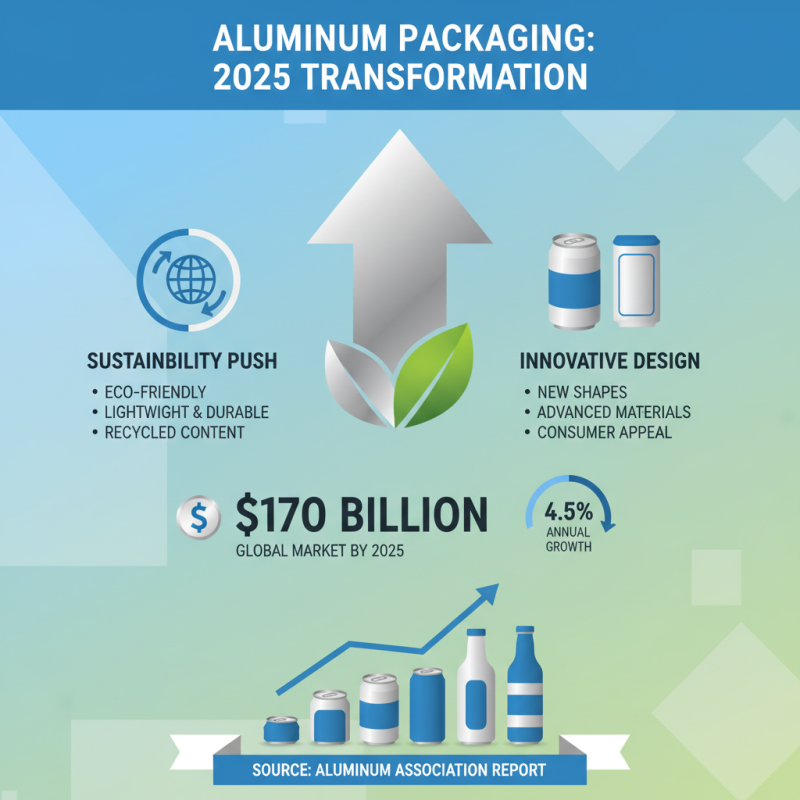
The aluminum container industry is on the cusp of a transformative shift in 2025, driven by a surge in innovative design and an increasing emphasis on sustainability. According to a recent report from the Aluminum Association, the global aluminum packaging market is projected to reach $170 billion by 2025, reflecting a robust annual growth rate of approximately 4.5%. This trend underscores the rising demand for lightweight yet durable packaging solutions that not only meet consumer expectations but also align with sustainability goals.
Innovations in aluminum container design are becoming pivotal in catering to environmentally conscious consumers. Features such as easy-to-recycle designs, reduced material waste, and the incorporation of recycled aluminum are set to dominate the market. A study published by the International Aluminium Institute indicates that using recycled aluminum can save up to 95% of the energy required to produce new aluminum. Furthermore, advancements like the development of thinner, stronger aluminum coatings are facilitating more efficient production processes and improved product longevity, enhancing the overall value proposition for manufacturers and consumers alike.
In addition, smart technology integrations are making waves, with connected packaging solutions providing real-time supply chain information and improved user engagement. The integration of QR codes and NFC technology into aluminum containers allows customers to track product origin, ensuring transparency and fostering trust. This melding of technology and sustainability is not just a passing trend; it's becoming a fundamental aspect of aluminum container design, encouraging brands to innovate while remaining socially and environmentally responsible in their production practices.
Sustainability Metrics: Assessing the Carbon Footprint of Aluminum Containers
Aluminum containers are becoming essential in various industries, particularly due to their lightweight nature and recyclability. As businesses increasingly focus on sustainability, measuring the carbon footprint of aluminum containers is crucial. According to a recent report by the Aluminum Association, aluminum is the most recyclable material, with recycling rates exceeding 75% in many regions. This high recyclability significantly reduces the overall carbon emissions associated with aluminum production, making it a more sustainable choice compared to other materials.
A comprehensive sustainability metric for aluminum containers should include lifecycle assessments that take into account energy consumption, transportation emissions, and end-of-life reclamation. The International Aluminium Institute notes that producing recycled aluminum uses 95% less energy than creating new aluminum from bauxite. Therefore, adopting recycled aluminum can drastically cut greenhouse gas emissions, reinforcing the trend towards sustainability in packaging.
Tips: When selecting aluminum containers, consider their end-of-life options. Look for containers made from at least 50% recycled material, as these significantly lower the overall carbon footprint. Additionally, educate consumers about recycling practices to ensure that more aluminum is diverted from landfills back into circulation. Implementing eco-friendly practices not only enhances brand reputation but also contributes to a more sustainable future.
Recycling Rates of Aluminum Containers: Current Statistics and Trends
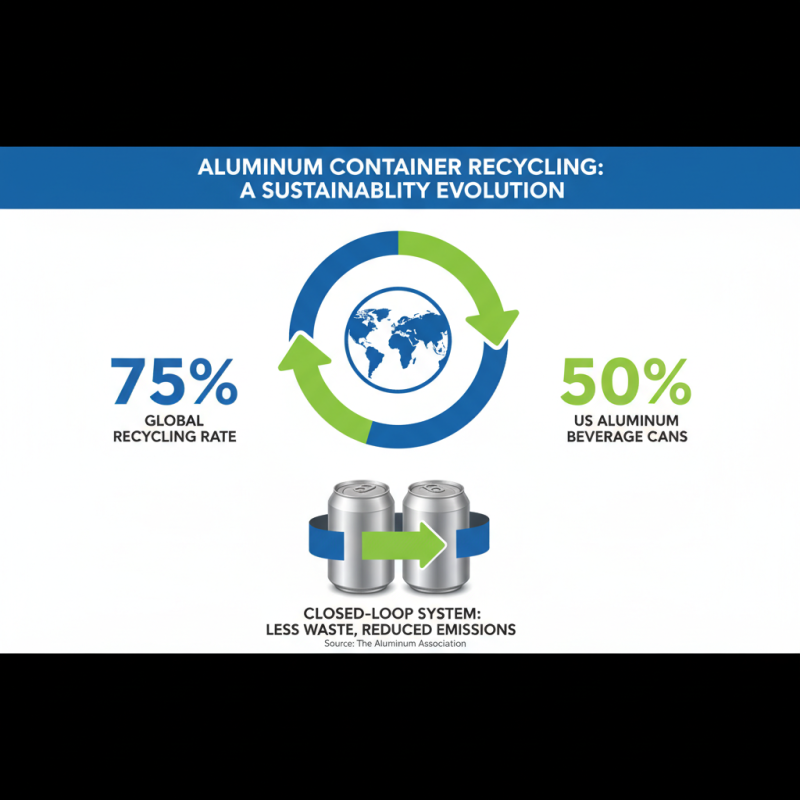
The aluminum container industry is witnessing a remarkable evolution, particularly in recycling rates which are crucial for sustainability efforts. According to the Aluminum Association, the global recycling rate of aluminum containers has reached approximately 75%, highlighting a significant improvement compared to previous years. In the United States, the recycling rate for aluminum beverage cans alone stands at around 50%, which showcases the ongoing commitment to recycling and resource recovery in this sector. As awareness of environmental impacts rises, the adoption of closed-loop recycling systems is becoming more prevalent, where recycled aluminum is used to produce new containers, therefore minimizing waste and reducing carbon emissions.
To effectively boost recycling rates, companies and consumers alike can take proactive steps. **Tip:** Setting up convenient recycling bins in public and private spaces can encourage higher participation rates among consumers. Furthermore, educating the public on the importance of recycling aluminum can play a crucial role in enhancing awareness and engagement. Research indicates that consumer knowledge directly influences recycling behaviors, suggesting that campaigns aimed at informing the public can yield positive results for recycling initiatives.
The future of aluminum containers not only hinges on innovative designs but also on improving recycling efficiencies. A recent report by the European Aluminium Association noted that advancements in sorting technologies could potentially increase the recyclability of aluminum by more than 20% by 2025. **Tip:** Collaborating with local waste management services to develop better logistics and collection processes can streamline recycling initiatives and ensure higher recovery rates. As the industry continues to innovate, the integration of sustainable practices is paramount to meet both economic and environmental goals.
Consumer Preferences: Demand for Eco-Friendly Aluminum Packaging Solutions
In recent years, consumer preferences have shifted significantly towards eco-friendly aluminum packaging solutions, reflecting a growing awareness of sustainability issues. Reports indicate that the global aluminum packaging market is expected to reach $150 billion by 2025, driven by the increasing demand for recyclable materials and environmentally responsible practices. More than 70% of consumers now consider the sustainability of packaging when making purchasing decisions, underscoring the urgency for brands to adopt greener alternatives in their packaging strategies.
Aluminum, being a highly recyclable material, is increasingly favored. It’s noteworthy that recycling aluminum uses just 5% of the energy required to produce new aluminum, leading to substantial emissions reductions. Moreover, according to a study by the Aluminum Association, the recycling rate for aluminum packaging has reached around 75% in some regions, signifying the effectiveness of aluminum in circular economies. This trend is finding support in various industries, from food and beverages to cosmetics and pharmaceuticals, as organizations seek to meet consumer expectations and regulatory pressures alike.
Tips: Brands looking to thrive amidst these evolving consumer preferences should focus on developing aluminum packaging that emphasizes recyclability. Engaging consumers through transparent messaging about the eco-friendly attributes of their packaging can enhance brand loyalty. Additionally, exploring innovations like lightweight aluminum designs can not only improve sustainability but also reduce transportation costs, aligning business goals with consumer values.
Top 2025 Aluminum Container Trends: Innovations and Sustainability Insights
Market Projections: Aluminum Container Industry Growth through 2025
The aluminum container industry is poised for remarkable growth through 2025, driven by increasing consumer demand for sustainable packaging solutions and innovative designs. This growth trajectory is propelled by several factors, including heightened awareness of environmental issues, legislative measures requiring reduced plastic usage, and the inherent recyclability of aluminum. As businesses and consumers alike prioritize eco-friendly practices, the aluminum container market is expected to see significant investments aimed at enhancing production efficiency and minimizing carbon footprints.
Innovation plays a crucial role in the market projections for the aluminum container industry. Manufacturers are exploring advanced technologies to streamline production processes, resulting in lighter yet stronger containers that reduce material usage without sacrificing performance. Furthermore, the introduction of new alloy compositions and coatings not only improves the durability and aesthetics of aluminum containers but also extends their functionality across diverse applications. As these trends converge, stakeholders in the industry are likely to benefit from increased market opportunities and enhanced brand loyalty among environmentally conscious consumers.


 +8618680445103