2026 Top Metal Can Trends for Global Buyers What to Expect?
As the demand for sustainable packaging continues to rise, the metal can industry is poised for significant transformation in 2026. Recent reports from the Metal Packaging Europe state that the global metal can market is projected to exceed $30 billion by 2027, driven by increasing consumer preferences for eco-friendly materials. Metal cans, with their 100% recyclability, serve as a prime solution for brands seeking to reduce their environmental footprint.
Emerging trends highlight innovations in design and functionality, enabling metal cans to meet diverse consumer needs. The global shift towards healthier, ready-to-eat food options plays a pivotal role. According to a study by Mordor Intelligence, the demand for canned goods surged by 12% during the pandemic. This shift presents new opportunities for metal can manufacturers to adapt quickly.
However, challenges remain. While metal cans can enhance product shelf life, the transition to sustainable manufacturing processes is not yet universal. Brands must navigate costs and consumer education regarding metal can benefits. The industry must also address recycling rates, which, according to the Environmental Protection Agency, stand at only 53% for aluminum cans in the U.S. Continued innovation and commitment to sustainability will be crucial for the future of metal cans.

Emerging Aesthetic Designs in Metal Can Packaging for 2026
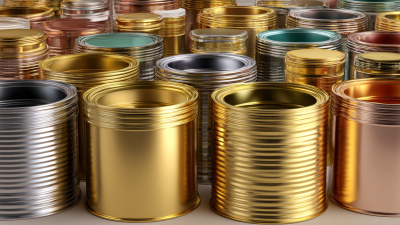
As we look toward 2026, metal can packaging is poised for exciting changes. Emerging aesthetic designs are shaping the future of the industry. More brands are prioritizing visual appeal, transcending traditional functionality. Bold colors and intricate patterns are becoming standard. This shift is more than just decoration; it reflects consumers' desires for unique and memorable experiences.
Sustainability plays a crucial role in these new designs. Creative use of eco-friendly materials is on the rise. Brands are experimenting with finishes that mimic wood or stone, adding texture and depth. These choices make products stand out on shelves. Yet, the challenge of balancing aesthetics with environmental responsibility remains. Not every effort results in success, requiring constant reevaluation of approaches.
There is a noticeable shift towards personalization as well. Custom designs that resonate with individual customer stories are becoming common. This trend creates deeper connections between products and consumers. However, brands must tread carefully. Ensuring consistency in quality while exploring creative avenues can be difficult. Failure to maintain balance could alienate loyal customers.
Sustainability Innovations Shaping the Future of Metal Can Production
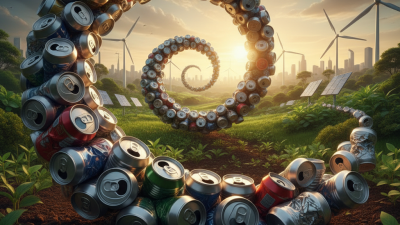
Metal can production is undergoing significant transformations driven by sustainability. Innovations in this field aim to reduce environmental impact while meeting consumer demands. From sourcing materials to energy-efficient production processes, every step is being re-evaluated. Recycled aluminum usage is on the rise. It requires less energy compared to new materials, promoting a circular economy.
Tips: Look for cans made from recycled materials. They contribute to lower carbon footprints and support sustainable practices. Always check for eco-certifications.
Design choices are also evolving. Minimalistic designs using less ink and paint reduce chemical use. Some manufacturers are exploring plant-based coatings. These innovations not only improve sustainability but also enhance shelf appeal.
Tips: When purchasing, consider the packaging's environmental impact. Opt for products that emphasize eco-friendly designs. Supporting brands that prioritize sustainability encourages necessary industry changes.
Despite these advancements, challenges remain. Achieving full sustainability across the supply chain is still a work in progress. Not all innovations are accessible to every manufacturer. As trends evolve, buyers should stay informed and critical about their choices.
Technological Advancements in Metal Can Manufacturing Processes
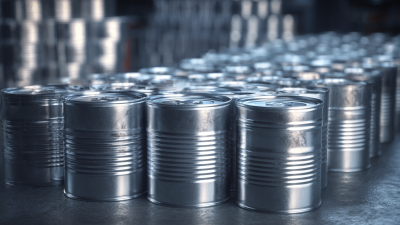
The metal can manufacturing landscape is evolving rapidly. Recent data highlights that advanced automation has increased production efficiency by 30% over the past five years. This shift is crucial as global demand for sustainable packaging grows. However, manufacturers face challenges in adapting to these technological advancements while maintaining product quality.
Innovations such as laser cutting and precision welding are at the forefront of this transformation. These processes reduce material waste and enhance the durability of cans. Reports indicate that companies implementing these techniques have seen cost reductions of up to 15%. Yet, the steep initial investment remains a barrier for many smaller manufacturers.
Despite the advancements, sustainability is an ongoing concern. The industry still grapples with balancing production speed with environmental impact. A recent study revealed that 40% of consumers prioritize eco-friendly packaging, placing pressure on manufacturers to rethink their processes. While today's technology offers incredible potential, the journey towards sustainable, efficient production is far from complete.
Consumer Preferences Influencing Metal Can Trends in Global Markets
Consumer preferences are shaping the future of metal can trends. Sustainability remains a key driver. Buyers increasingly seek eco-friendly packaging. They favor materials that can be recycled easily. This shift pushes manufacturers to innovate. They focus on reducing environmental impact.
The design of metal cans is evolving. Consumers love unique shapes and graphics. Eye-catching designs can influence purchasing decisions. Convenience also matters. Easy-to-open lids and stackable formats are in demand. These features enhance user experience. However, balancing aesthetics and functionality is a challenge.
The rise of health-conscious living is another factor. Shoppers pay attention to the contents of their beverages. They want clear information on the label. Brands that communicate effectively will thrive. Transparency in ingredients can build trust. Yet, not all companies adapt quickly. Some struggle to meet evolving consumer expectations, highlighting room for growth.
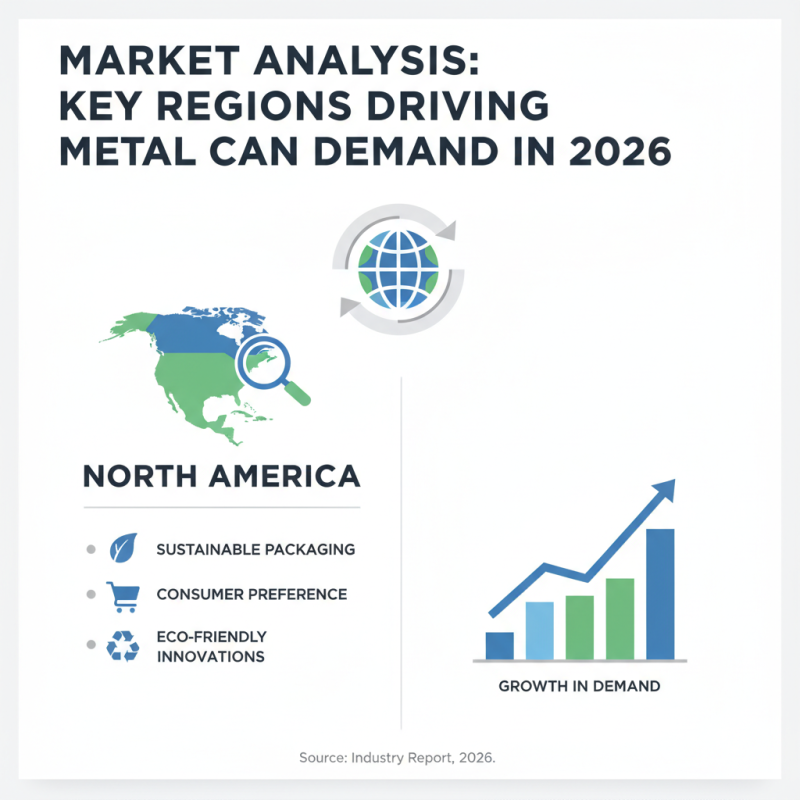
Market Analysis: Key Regions Driving Metal Can Demand in 2026
The metal can market is evolving rapidly, especially in key regions that drive demand. North America remains a major player, with a growing preference for sustainable packaging solutions. Consumers are increasingly aware of environmental issues. This creates opportunities for manufacturers focused on eco-friendly innovations.
In Europe, the trend is leaning towards premium products. High-quality metal cans are favored for beverages and food items. The focus on aesthetics is changing the design landscape. Buyers seek unique packaging that stands out on shelves while ensuring durability. Notably, Asia-Pacific is seeing a surge in demand as urbanization progresses. Increasing disposable incomes are influencing purchasing decisions. Metal cans' lightweight nature appeals to this segment of the market.
However, there are challenges ahead. The supply chain must adapt to fluctuating metal prices. Challenges like sustainability and recycling also require attention. Companies need to balance cost with environmental responsibility. Buyers should remain aware of these dynamics.



 +8618680445103