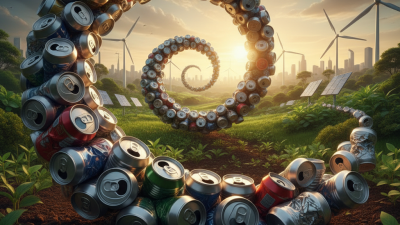
Top Benefits of Using Metal Cans for Packaging Solutions?
The use of Metal Cans in packaging has surged in popularity due to their numerous advantages. Industry reports show that the global metal packaging market is projected to reach $250 billion by 2025. Metal Cans are known for their durability and recyclability, making them a preferred choice for manufacturers striving for sustainability. In fact, over 68% of metal cans are recycled, far surpassing other materials.
Metal Cans offer excellent preservation qualities. They protect products from light, oxygen, and moisture, which helps maintain freshness. Numerous studies highlight that products in Metal Cans can have a shelf life up to four times longer than those in glass or plastic. This quality not only benefits consumers but also reduces waste for companies.
Despite their advantages, some consumers question the safety of using Metal Cans. Concerns about BPA in linings have prompted many manufacturers to seek alternatives. Awareness and transparency in sourcing materials are essential. The industry must address these issues to maintain trust and ensure the continued growth of Metal Cans in packaging.
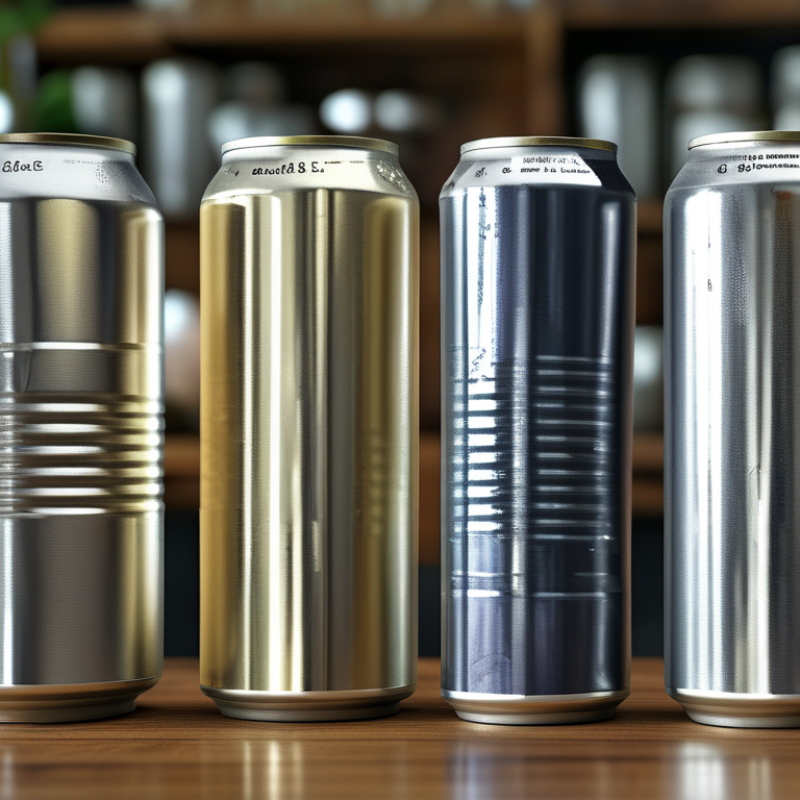
Advantages of Metal Cans in Food Preservation and Safety
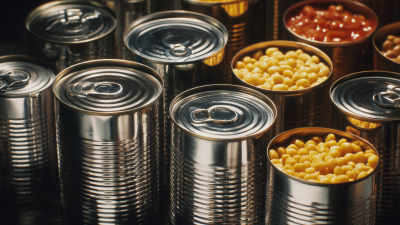
Metal cans offer significant advantages in food preservation and safety. Their airtight seal keeps out contaminants. This feature protects food from spoilage and extends shelf life. Unlike some other packaging, metal cans do not allow light in, which can degrade nutrients. Furthermore, metal is robust and resistant to punctures. This durability means food remains secure during transportation and storage.
The use of metal cans also ensures food safety. They are inert, meaning they won't react with food substances. This quality prevents chemical leaching, which can occur with other materials. In addition, metal cans are easily recyclable. This reduces environmental impact, aligning with sustainable practices. Nevertheless, challenges exist. Not all consumers recycle properly, leading to waste. Education on recycling is crucial for maximizing the benefits of metal packaging.
Choosing metal cans can be a smart option for preserving food freshness. Their advantages in safety and shelf life are clear. Yet, it is essential to address recycling habits to improve outcomes. Ultimately, metal cans play a vital role in packaging solutions today.
Durability and Strength of Metal Can Packaging Solutions
Metal can packaging offers outstanding durability and strength that many materials simply cannot match. These cans are resistant to impact, helping to protect the contents inside. When dropped, metal cans typically retain their shape and integrity. This reliable performance reduces product loss and ensures that items remain fresh for extended periods.
In addition to their physical strength, metal cans provide an effective barrier against light, air, and moisture. This prevents spoilage and extends shelf life. Many consumers appreciate the longer-lasting freshness of food and beverages stored in metal containers. The recyclability of metal also plays a crucial role in sustainability. Even though metal cans are resilient, they can be easily recycled and reused.
However, the production of metal cans is not without challenges. The manufacturing process requires energy and resources, leading to debates about its environmental impact. Quality variations may occur in less regulated facilities. It's essential for consumers and businesses alike to consider the source of their packaging materials.
Recyclability and Environmental Impact of Metal Cans
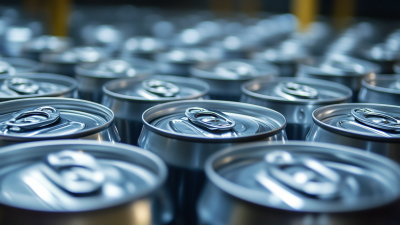
Metal cans are gaining popularity due to their recyclability. They can be recycled endlessly without losing quality. This characteristic sets them apart in the packaging industry. According to research, over 75% of aluminum ever produced is still in use today.
The environmental impact of metal cans is noteworthy. They require less energy to produce from recycled materials. This reduces greenhouse gas emissions significantly. In comparison, glass and plastic production often produces more waste. Yet, recycling rates for metal cans are not perfect. Many consumers still discard them improperly. This highlights the need for better education on recycling practices.
Additionally, metal cans contribute to efficient waste management. They take up less landfill space compared to other materials. However, community recycling programs vary widely. Some areas lack adequate facilities to process metals. Addressing these gaps is essential for maximizing the benefits of metal can recycling. Understanding local regulations can make recycling more effective.
Aesthetic Appeal and Branding Benefits of Using Metal Cans
Metal cans are gaining popularity for their aesthetic appeal and branding benefits. Their sleek, shiny surface instantly catches the eye. This eye-catching quality can elevate product perception. Reflective surfaces can also attract consumers in crowded retail spaces. Furthermore, custom designs on metal cans offer unique branding opportunities. Companies can use vibrant colors, intricate patterns, or embossed logos to stand out. This can create a memorable experience for customers.
Tips: When designing your can, think about how it represents your brand. Research current design trends. Consistency in design across your product line enhances brand recognition.
The tactile feel of metal cans adds another layer to the consumer experience. The cool touch of metal can evoke a sense of quality and durability. However, some customers might be drawn to softer materials, feeling that metal is less approachable. Finding the right balance in design is essential.
Finally, metals are recyclable. This sustainable aspect appeals to environmentally conscious consumers. Brands can emphasize this feature in their marketing. Highlighting the recyclability of metal can create a positive brand image.
Cost-Effectiveness and Supply Chain Efficiency of Metal Cans
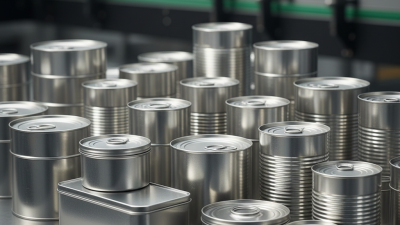
Metal cans offer significant cost-effectiveness and supply chain efficiency. According to the Aluminium Association, using aluminum cans can reduce production costs by up to 20% compared to glass packaging. This reduction stems from lower energy consumption during production and transportation due to their lightweight nature. Efficient manufacturing processes further ensure that metal cans facilitate quicker turnaround times.
To maximize the benefits of metal can packaging, companies should consider their recycling capabilities. A report by the National Recycling Coalition shows that aluminum cans have a recycling rate of over 75%. This high rate not only minimizes environmental impact but also reduces costs. Moreover, utilizing recycled materials in production can lead to a decrease in energy usage by up to 95%.
Tips: Always evaluate suppliers for their sustainability practices. Choose those that prioritize recycled materials. Also, consider the end-of-life phase of your packaging choice. Adequate planning reduces waste and aligns with circular economy concepts. Investing time in these areas can yield long-term benefits.
Top Benefits of Using Metal Cans for Packaging Solutions
| Benefit |
Description |
Cost-Effectiveness |
Supply Chain Efficiency |
| Durability |
Metal cans are resistant to breaking and provide excellent protection for contents. |
Long lifespan reduces replacement costs over time. |
Efficient handling and transportation due to their robustness. |
| Recyclability |
Metal cans are 100% recyclable, which supports sustainability initiatives. |
Lower raw material costs due to recycled content usage. |
Streamlined recycling processes contribute to lower waste management costs. |
| Product Protection |
Provides a tight seal that prevents contamination and preserves freshness. |
Reducing spoilage leads to lower costs in product waste. |
Minimizes the need for additional protective packaging. |
| Versatility |
Can be used for a wide range of products, from food to chemicals. |
Adaptability reduces the need for multiple packaging types. |
Eases inventory management with fewer packaging solutions. |
| Consumer Appeal |
Metal cans have a premium feel and can enhance brand image. |
Higher consumer preference can lead to increased sales. |
Increased market demand can lead to optimized supply chain operations. |



 +8618680445103