2026 Best Food Cans for Global Buyers What to Look For?
The global food cans market continues to grow, driven by increasing demand for convenience and sustainability. According to a recent report by the Food Packaging Association, the market for food cans is expected to exceed $25 billion by 2026. This trend reflects consumer preferences for packaged goods that offer longer shelf lives and reduced waste. Bob Reynolds, a notable figure in the packaging industry, states, "Food cans are essential for modern diets and environmental sustainability."
As buyers consider the best options for food cans, various factors must come into play. Features such as material quality, sealing technology, and eco-friendliness are crucial. Not focusing on these could lead to subpar purchasing decisions. The right food can ensures the safety and freshness of products, impacting customer satisfaction directly.
While many brands boast high-quality food cans, some fall short of their promises. This inconsistency can frustrate buyers seeking reliable options. Identifying trustworthy suppliers is vital. In this rapidly evolving market, staying informed is key to making the best choices.
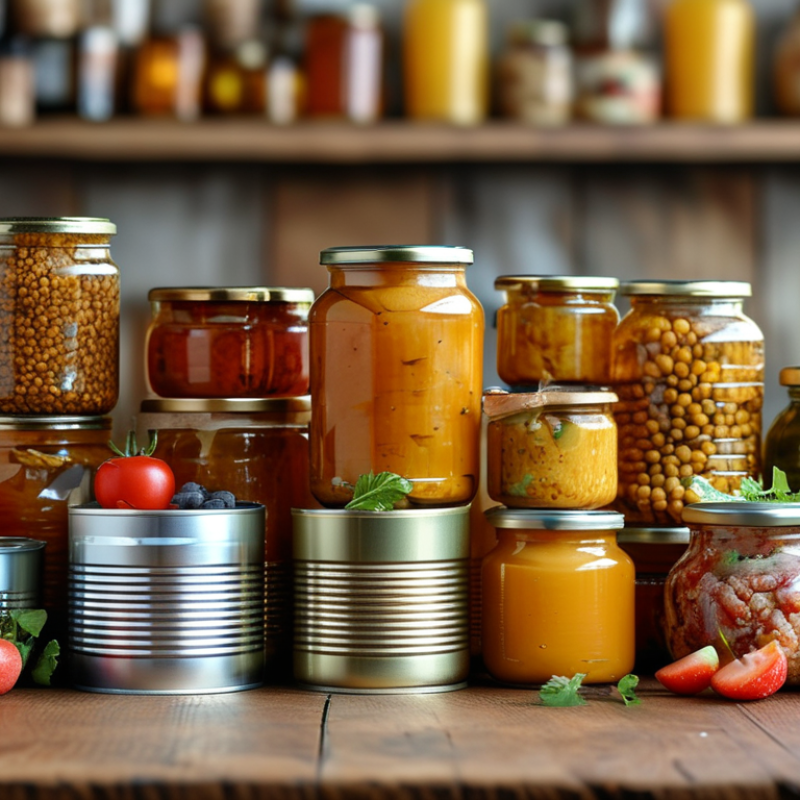
Overview of the Global Canned Food Market in 2026
The global canned food market is evolving rapidly as 2026 approaches. More consumers are seeking convenience and nutrition simultaneously. Canned foods offer extended shelf life and ease of preparation. However, not all options are equal in quality or health benefits.
Market trends indicate a rising demand for organic and non-GMO varieties. Buyers should pay attention to ingredient lists and sourcing practices. Transparency is key. They often overlook that not all cans are BPA-free. This is crucial when considering safety and health aspects.
Sustainability is another critical factor. Many consumers prefer brands that prioritize eco-friendly packaging and sustainable sourcing. But, the challenge lies in balancing taste with ethical practices. While many products claim to be healthy, actual nutritional value varies. It's essential for buyers to remain discerning and informed. Understanding these dynamics can greatly enhance purchasing decisions in the canned food sector.
Global Canned Food Market Trends in 2026
Key Factors to Consider When Selecting Quality Canned Foods
When selecting quality canned foods, buyers should consider several key factors. Start with the ingredients list. Look for items with fewer additives and preservatives. A shorter list often indicates higher quality. Research suggests that natural ingredients tend to offer better nutrition and flavor.
Texture and taste are also vital. Canned foods can differ widely in these areas. It's beneficial to read reviews or conduct taste tests. Some brands may have a reputation for mushy vegetables, while others maintain a crisp texture. Knowing what you prefer can guide your choices effectively.
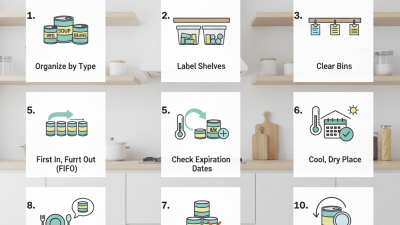
Tips: Check for BPA-free cans. This ensures safety and quality. Pay attention to the expiration date. Canned foods can last long, but freshness matters. Lastly, consider sourcing. Supporting local or organic brands can sometimes lead to healthier options. It’s worth being mindful when making selections.
Nutritional Value: Understanding Labels and Ingredients
When evaluating food cans, understanding labels and ingredients is crucial for making informed choices. Many consumers overlook nutritional value. However, it’s essential to scrutinize nutritional labels. Look for key indicators such as serving size, calories, and macro-nutrients. A USDA report indicates that almost 50% of canned foods contain added sugars. That is a notable statistic for health-conscious buyers.
Moreover, ingredient lists can reveal the quality of the food. Shorter ingredient lists are often better. Highly processed items may include preservatives and artificial flavors. Research showed that individuals consuming fewer processed foods reported better overall health. This highlights the importance of choosing cans with recognizable ingredients, emphasizing whole foods.
Another critical aspect is the presence of essential vitamins and minerals. Choose cans rich in nutrients like fiber and iron. A study by the Food and Nutrition Service indicates that many canned vegetables can retain as much as 80% of their nutritional value after processing. While canned foods can be a convenient option, it is essential to ensure they contribute positively to a balanced diet.
Sustainability and Eco-Friendliness in Canned Food Packaging
Canned food packaging plays a vital role in sustainability. Many manufacturers are exploring eco-friendly options. Cardboard, biodegradable materials, and recyclable metals are becoming more common. These solutions help reduce waste and lower environmental impact.
Choosing cans made from recycled materials is crucial. It not only conserves resources but also reduces emissions. Shoppers should look for labels indicating recyclable packaging. However, not all consumers understand the importance of these features. Education on recycling and sustainability is still needed.
The production process itself needs scrutiny. Energy use in manufacturing can be high. A push towards renewable energy sources can make a difference. We must also consider the entire lifecycle of the product. Transparency in sourcing materials is essential. It leads to informed decisions for environmentally conscious consumers.
Popular Canned Food Brands and Their Global Reputation
In the global canned food market, reputation significantly impacts buyer decisions. According to a recent industry report from 2022, over 70% of consumers prefer brands with strong global recognition. These brands typically maintain rigorous quality control and sourcing practices. This builds trust among consumers worldwide.
Canned food brands often highlight their sustainability practices. For example, many use eco-friendly packaging, appealing to environmentally conscious buyers. However, some brands face criticism for sourcing practices that may not be transparent. Reports indicate that about 25% of consumers express concern over ingredient sourcing.
Quality is a key focus for buyers. Many look for brands that provide detailed product information. Certifications from recognized organizations can enhance credibility. Yet, discrepancies in labeling can create confusion. Almost 15% of global consumers report misleading information on labels. This highlights the need for brands to continuously reflect on their practices and improve transparency to maintain trust.
2026 Best Food Cans for Global Buyers - What to Look For?
| Category |
Key Features |
Global Popularity Rating (1-10) |
Nutritional Value (per serving) |
Sustainability Practices |
| Vegetable Cans |
Organic options, non-GMO |
8 |
Low calories, high fiber |
Recyclable packaging |
| Meat Cans |
High protein, various flavors |
9 |
Moderate calories, rich in protein |
Source from sustainable farms |
| Soup Cans |
Ready-to-eat, various cuisines |
7 |
Low fat, contains vegetables |
Eco-friendly production |
| Fruit Cans |
No added sugars, whole fruit |
8 |
Low calories, rich in vitamins |
Sustainable sourcing |
| Fish Cans |
Wild caught, omega-3 rich |
8 |
High protein, low carbohydrates |
Responsible fishing practices |



 +8618680445103