What are the Best Medicine Containers for 2026?
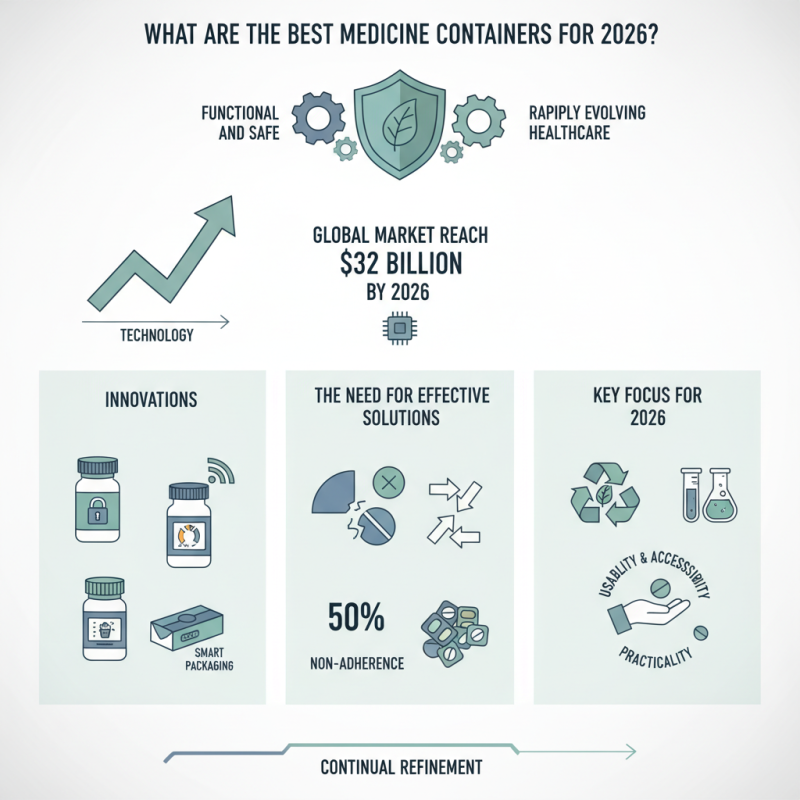
In the rapidly evolving healthcare landscape, the importance of functional and safe Medicine Containers cannot be overstated. According to recent industry reports, the global market for medical packaging is projected to reach $32 billion by 2026. This growth emphasizes the pivotal role technology plays in medication management.
Innovations are emerging in various types of containers, from child-resistant bottles to smart packaging solutions that track dosages. The need for effective Medicine Containers is highlighted by the alarming statistics: approximately 50% of patients do not take medications as prescribed. This non-adherence often stems from improper storage and confusing packaging. New designs aim to tackle these issues by improving usability and accessibility.
The best Medicine Containers for 2026 will increasingly focus on sustainability. As environmental concerns rise, manufacturers face challenges in balancing safety and ecological responsibility. While advancements are promising, it is essential to critically assess their practicality in everyday use. Solutions need continual refinement to ensure they meet real-world demands.
The Evolution of Medicine Containers: Trends Leading to 2026
The landscape of medicine containers is evolving rapidly. As we look toward 2026, several trends are emerging. One significant trend is the shift towards sustainable materials. Many manufacturers are exploring biodegradable options. This movement reflects a growing awareness of environmental impact.
Another trend is the integration of smart technology. Medicine containers are beginning to include features like sensors and reminders. These smart designs help patients remember their dosages. Yet, there are challenges. Not everyone is tech-savvy, and some may find these gadgets confusing.
User experience remains a top priority. Containers need to be easy to open, especially for the elderly. Clarity in labeling is essential. Current practices often lead to confusion. Companies must reconsider their designs. Simple, intuitive containers can improve medication adherence significantly. The road to 2026 shows promise, but reflection on user needs is still crucial.
Best Medicine Containers Trends Leading to 2026
Key Features of Modern Medicine Containers: Safety and Efficiency
The landscape of medicine containers is rapidly evolving. Modern medicine containers focus on safety and efficiency, addressing the needs of patients and healthcare providers alike.
A report from the World Health Organization reveals that medication errors affect 1 in 10 patients worldwide. This statistic underscores the need for improved packaging designs.
One key feature of contemporary medicine containers is child-resistant closures. These closures are essential for preventing accidental ingestion by children. A study published in the Journal of Medicinal Chemistry indicates that nearly 60% of pediatric poisonings are linked to pharmaceuticals. Designers now focus on making these safety features user-friendly for adults, often leading to a conflict between safety and accessibility.
Ease of use is another critical aspect. Smart technologies are being integrated into containers. For instance, containers that incorporate tracking systems can send reminders to patients about their medication schedules. However, there are concerns about privacy and technology over-reliance. An analysis by the National Institute of Health shows that 30% of patients feel overwhelmed by health technology. Balancing innovation with simplicity remains an ongoing challenge.
Impact of Smart Technology on Medicine Container Designs
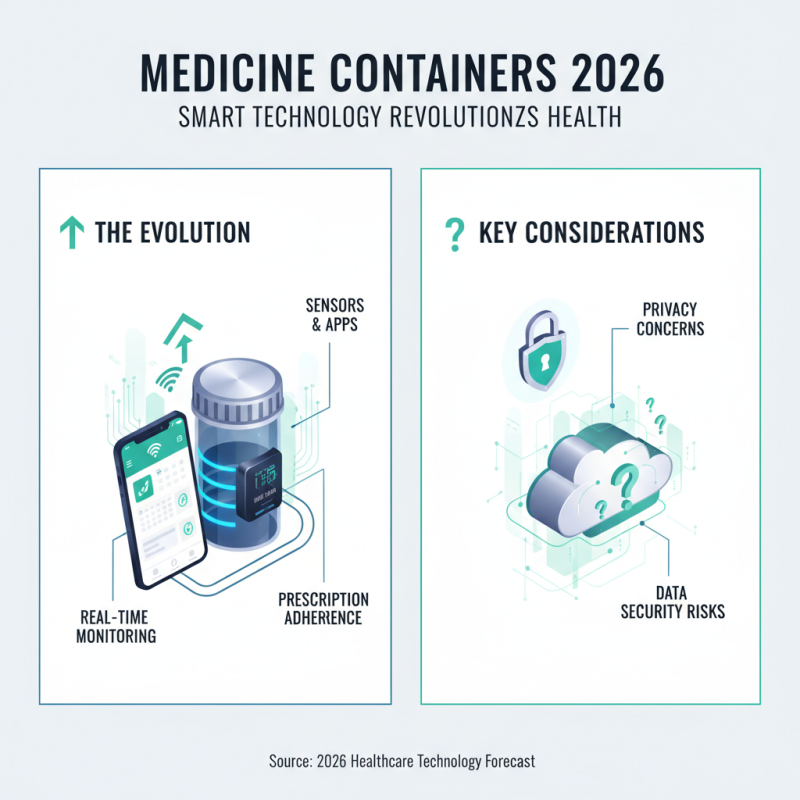
In 2026, the landscape of medicine containers is expected to transform significantly. Smart technology plays a crucial role in this evolution. Containers equipped with sensors and apps can monitor medication usage in real-time. This technology ensures that patients follow their prescriptions effectively. Yet, it raises questions about privacy and data security.
Tips: Consider how data is shared. Make sure you know who has access. Use containers that prioritize user privacy.
Moreover, smart medicine containers can provide reminders. They can alert users when it’s time to take their medication. This feature aims to reduce missed doses. However, reliance on technology may lead to over-dependence. Users might ignore listening to their own bodies.
Tips: Set personal alarms aside from tech. Trust your instincts about medication needs. Balance is key.
The design of these containers will also reflect user experiences. Ergonomics and aesthetic appeal will matter more. A visually pleasing container may encourage better adherence. However, flashy designs can distract from functionality. Finding harmony in design is vital.
Sustainability in Medicine Containers: Eco-Friendly Materials and Practices
In 2026, sustainability in medicine containers will be more important than ever. Eco-friendly materials will play a crucial role. Biodegradable plastics, recycled glass, and plant-based materials are gaining traction. These alternatives reduce environmental impact. Consumers are becoming more aware of their choices. They want containers that minimize waste.
Tips: Choose smaller containers. They limit the amount of medicine wasted. Proper storage can extend the life of your medications. Use what you need and avoid overflow.
Transparent labeling will also help. Clear information allows users to track expiration dates accurately. Labels made from sustainable materials can enhance the eco-friendly approach. This practice promotes better recycling habits.
Not all eco-options are perfect. Some biodegradable materials still require proper waste conditions. Public facilities may not support them yet. Awareness and collaboration will be necessary to improve these practices. Making the right choices can lead to a healthier planet.
What are the Best Medicine Containers for 2026? - Sustainability in Medicine Containers: Eco-Friendly Materials and Practices
| Container Type |
Material |
Recyclable |
Biodegradable |
Durability |
Eco-Certifications |
| Glass Bottles |
Recycled Glass |
Yes |
No |
High |
ISO 14001 |
| Bamboo Pill Boxes |
Bamboo & Bioplastic |
Yes |
Yes |
Medium |
FSC Certified |
| Recycled Plastic Jars |
RPET |
Yes |
No |
High |
Cradle to Cradle Certified |
| Plant-Based Syringes |
PLA Plastic |
Yes |
Yes |
Medium |
EN 13432 |
| Aluminum Containers |
Recycled Aluminum |
Yes |
No |
High |
LEED Certified |
Market Growth Projections for Medicine Containers in 2026 and Beyond
The market for medicine containers in 2026 shows promising growth potential. As the population ages, there is an increasing demand for effective storage solutions. Innovations in design will likely focus on user-friendliness and safety. For instance, child-resistant features are becoming more popular. These enhancements aim to protect medications from accidental exposure.
Projected market growth is also influenced by the rising prevalence of chronic diseases. Patients often require multiple medications. Thus, smart containers may emerge. These containers integrate technology, offering reminders and tracking functionality. They could help mitigate medication errors and non-adherence. However, there are concerns about privacy and data security with these advancements.
Sustainability is another key area of focus. Consumers are becoming more conscious of environmental impact. The industry faces pressure to develop eco-friendly materials. Reusable containers could play a significant role in this shift. Still, some challenges remain around costs and production processes. Ultimately, the future of medicine containers is likely to be shaped by innovation and consumer demands.


 +8618680445103