Best Medicine Containers for Safe Storage and Transportation?
In today's fast-paced world, safe storage and transportation of medicines are crucial. A reliable medicine container is essential for maintaining the efficacy of medications. Fluctuations in temperature and exposure to light can degrade their quality. A well-designed medicine container can mitigate these risks effectively.
Selecting the right medicine container involves understanding various factors. Different types serve unique purposes. Some are designed for daily use, while others suit long journeys. Durability and material play significant roles in ensuring safety. It's important to consider ease of access and visibility as well.
While many options exist on the market, it’s wise to reflect on their features critically. Not every container will meet your needs perfectly. It can be helpful to learn from others' experiences and reviews. This way, you can find a medicine container that truly aligns with your storage and transportation requirements.
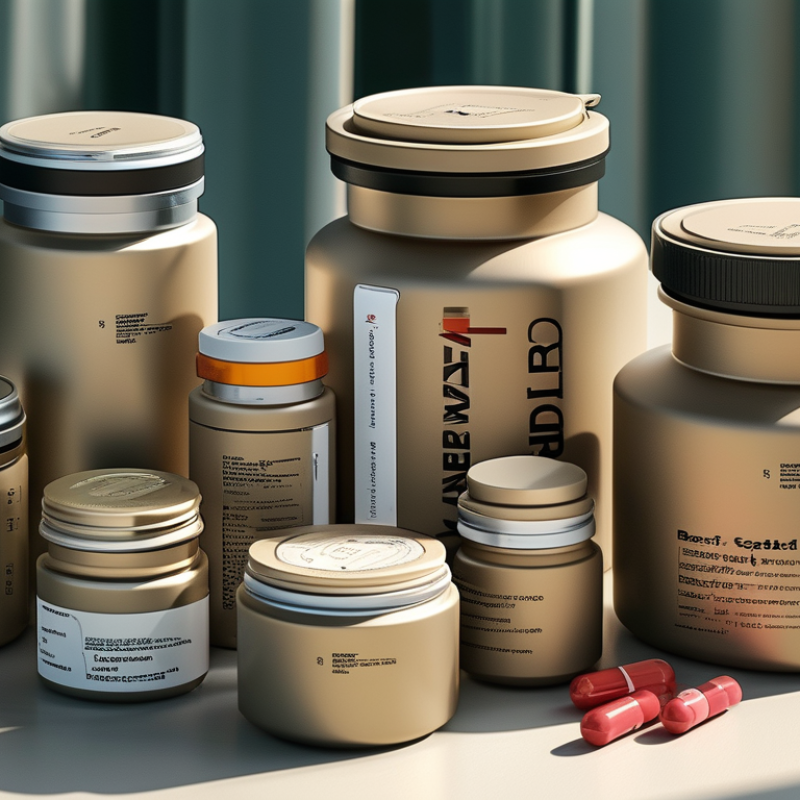
Types of Medicine Containers for Safe Storage
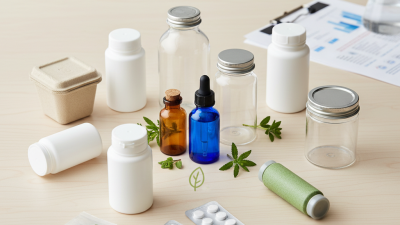
When considering safe storage for medications, the type of container is essential. Glass containers are a popular choice for their durability and ease of cleaning. They are inert and do not react with most medicines. However, they can be heavy and may break if dropped, leading to safety concerns.
Plastic containers offer a lightweight alternative. They are less fragile and often come in various sizes. Look for BPA-free options to ensure safety. Nevertheless, plastic can degrade over time or react with certain substances, which is a factor to consider.
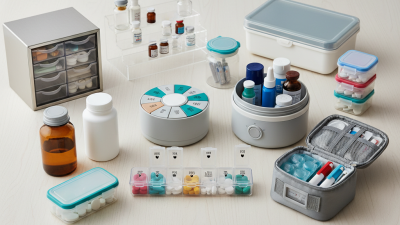
Pill organizers are practical for daily dosage management. They come in various configurations, from simple weekly organizers to more complex ones with reminders. However, they can be cumbersome to use. Some people may forget to refill them or misplace their medications, leading to missed doses. Regular checks are crucial to ensure a reliable supply.
Factors to Consider When Choosing Medicine Containers
Choosing the right medicine containers is essential for safe storage and transportation of medications. Several factors influence this decision. Material is crucial; non-toxic, durable materials like HDPE or glass offer better protection against external elements. A 2021 study indicated that 30% of medication degradation occurs due to improper storage. Thus, selecting a container that maintains constant temperature is vital.
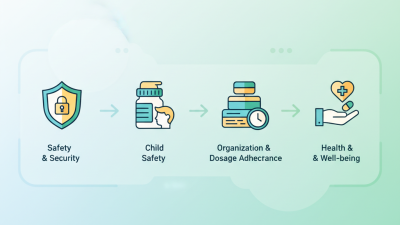
Another concern is child safety. Many reports highlight that nearly 60% of accidental poisonings in children are due to medication exposure. Therefore, containers should feature child-proof designs. Labels should be clear and include dosage information. This minimizes confusion, significantly impacting compliance.
Size and portability also matter. A study showed that 40% of caregivers prefer compact designs that fit in bags or pockets. However, smaller containers can lead to issues with medication adherence. Balancing size with the container's capacity requires careful consideration. Evaluate your needs before making a choice, as finding the right container is often more complex than it seems.
Best Practices for Transporting Medicines Securely
Transporting medicines securely is crucial to ensure their efficacy and safety. According to a report from the World Health Organization, improper storage and transportation conditions can lead to a significant decrease in medicine potency—sometimes over 30%. To maintain stability, medicines should be stored in controlled environments. Temperature fluctuations must be avoided, especially for temperature-sensitive items.
Using appropriate containers is essential. Rigid, insulated carriers help in protecting medications from external elements. They can prevent exposure to light, temperature extremes, and moisture. An industry study reveals that around 50% of medication errors occur due to poor labeling and storage practices. Proper labeling ensures clear identification and minimizes the risk of errors during transportation.
In addition to physical containers, secure transport protocols are vital. Training for personnel handling these medicines is often overlooked. Some reports suggest that trained staff reduces the likelihood of errors by about 40%. During transport, medicines should be monitored for temperature and condition. Continuous recording devices can provide real-time data, highlighting the importance of technology integration in ensuring safety. Many challenges remain in optimizing these processes. Failure to address them could result in severe consequences for patient health.
Best Medicine Containers for Safe Storage and Transportation
Material Options for Durable and Safe Medicine Containers
When it comes to medicine containers, material choice is critical for safe storage.
Plastic containers are popular due to their lightweight nature and flexibility. However, not all plastics are created equal. High-density polyethylene (HDPE) and polycarbonate are considered safer options. According to the American Chemical Society, HDPE is resistant to many chemicals and has a low risk of leaching harmful substances.
Glass containers offer another robust option.
They are non-reactive and can maintain a stable internal environment. A report from the International Journal of Pharmaceutics highlights that glass proves effective in preserving the integrity of sensitive medicines. However, glass can be heavy and prone to breakage. This aspect can lead to potential challenges during transportation.
Metal containers, often overlooked, provide durability and protection. They are impervious to light and moisture, essential factors in medicine storage. Yet, they can be more expensive. Consideration must also be given to whether they can withstand extreme temperatures. Each material comes with its strengths and weaknesses. Harvesting detailed assessments can ensure the right choice for the medicines' specific needs.
Regulations and Guidelines for Medicine Storage and Transportation
When it comes to medicine storage and transportation, adhering to regulations and guidelines is essential. Proper storage conditions can prevent the deterioration of medication. This ensures efficacy and safety for patients. Different medications have varying requirements. Some need refrigeration, while others should be stored at room temperature. Understanding these parameters helps in compliance.
Consider the environment where medications are stored. Avoid direct sunlight and humidity, which can affect potency. Keep medicines in clearly labeled, airtight containers. This minimizes cross-contamination and maintains integrity. Always check expiration dates. Discard outdated medicines responsibly.
Tips for safe transportation include securing containers properly. Use insulated bags for temperature-sensitive medications. Ensure they are packed to prevent breakage. Keep a record of medications being transported, especially if traveling long distances. This enhances accountability and safety. Regular training on storage guidelines for staff can also improve handling practices. Remember, even minor lapses in storage can lead to serious health risks.
Best Medicine Containers for Safe Storage and Transportation
| Container Type |
Material |
Capacity (ml) |
Temperature Control |
Compliance Standards |
| Plastic Pill Bottle |
Polypropylene |
100 |
Room Temperature |
USP, FDA |
| Glass Amber Bottles |
Glass |
50 |
Room Temperature |
ISO, GMP |
| Insulated Coolers |
Polyethylene |
500 |
2°C to 8°C |
WHO, IATA |
| Refrigerated Medical Containers |
Aluminium |
1000 |
2°C to 8°C |
FDA, EU Regulations |
| Safety Lock Boxes |
Steel |
Various |
Room Temperature |
OSHA |



 +8618680445103