Best Metal Containers for Global Sourcing Needs?
The demand for metal containers has surged in recent years. According to a report by Grand View Research, the global metal packaging market was valued at $115.74 billion in 2021 and is projected to grow significantly. Metal containers offer durability and recyclability, attracting industries ranging from food and beverage to pharmaceuticals.
However, selecting the right type of metal container for global sourcing can be complex. Different materials, such as aluminum and steel, serve unique purposes. For instance, aluminum is lightweight and resistant to corrosion, making it ideal for beverages. In contrast, steel containers provide strength and longevity, suitable for heavy goods. Understanding these nuances is crucial for effective sourcing.
While the market offers various options, businesses must reflect on their packaging needs. Cost, sustainability, and weight all play pivotal roles in making the right choice. Global sourcing mandates a keen understanding of these factors to ensure quality and reliability. As companies navigate this landscape, the right metal containers can significantly enhance supply chain efficiency.
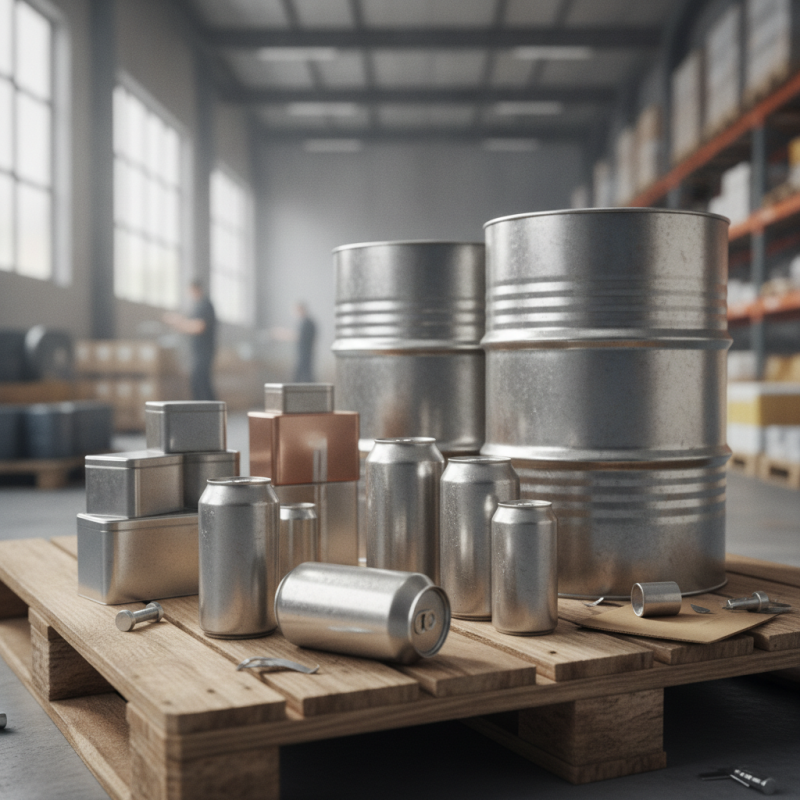
Top Considerations for Selecting Metal Containers in Global Sourcing
When selecting metal containers for global sourcing, several key considerations must be addressed. According to a report by Grand View Research, the global metal container market is expected to reach $170 billion by 2025. Understanding the material composition of metal containers is crucial. Different metals, such as aluminum and steel, have distinct characteristics that affect durability and weight. Aluminum containers are lightweight and resistant to corrosion, while steel offers superior strength. This knowledge influences long-term cost-effectiveness in shipping and storage.
Another factor to consider is the environmental impact. The World Economic Forum indicates that metal containers are recyclable, which aligns with global sustainability goals. Choosing recyclable materials can enhance brand reputation and reduce waste. However, the recycling process can vary widely by region, leading to potential confusion or inefficiencies in circular supply chains. It's vital to assess local recycling capabilities before making decisions.
Additionally, health regulations in various markets can impact packaging choices. The FDA and EPA provide guidelines on acceptable materials for food-related containers. Compliance with these regulations is necessary to avoid legal complications. Each market may have specific requirements that need close attention to ensure safety and reliability. Balancing these considerations will pave the way for effective sourcing strategies in an increasingly complex global market.
Types of Metal Containers Suitable for International Shipping
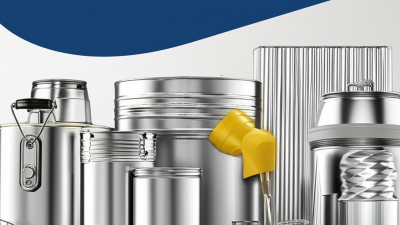
When it comes to global sourcing, metal containers are essential for safe transportation. Various types cater to different shipping needs. Steel containers are sturdy and ideal for heavy machinery. They withstand harsh conditions and are often used in industrial shipping. Aluminum containers are lighter but still robust. Their resistance to corrosion makes them a popular choice for food products.
Choosing the right container is challenging. Some may underestimate the environmental impact of metal containers. While they offer durability, recycling options can vary by region. This could lead to unnecessary waste if not carefully managed. Understanding local recycling guidelines is crucial for responsible sourcing.
Another consideration is the size and shape of the containers. Standard dimensions prevent wasted space during shipping. However, customization may be needed for specific goods. This can increase costs and complicate logistics. Companies must weigh their options carefully to ensure they meet regulations while minimizing expenses.
Best Metal Containers for Global Sourcing Needs
| Container Type |
Material |
Capacity (Liters) |
Weight (kg) |
Ideal For |
| Drum Containers |
Steel |
200 |
30 |
Bulk Liquids |
| IBC Totes |
Stainless Steel |
1000 |
50 |
Chemicals |
| Metal Crates |
Aluminum |
500 |
20 |
Heavy Equipment |
| Metal Boxes |
Tin |
50 |
5 |
Small Parts |
| Shipping Containers |
Corten Steel |
3000 |
250 |
Large Goods |
Advantages of Using Metal Containers for Global Supply Chains
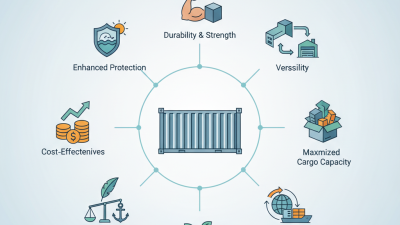
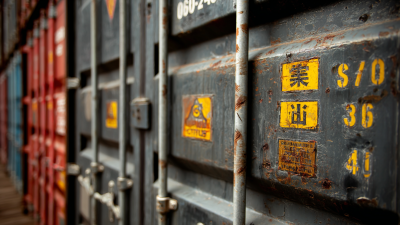
Metal containers are gaining popularity in global supply chains. One key advantage of using these containers is their durability. They can withstand rough handling and extreme conditions. Metal containers provide a reliable solution for transporting goods over long distances. They protect products from weather elements and physical damage.
Another benefit is their recyclability. Metal can be reused multiple times, promoting sustainability. Many companies are now looking toward eco-friendly options for their supply chain needs. Using metal containers aligns with corporate social responsibility goals. There’s pride in choosing materials that minimize environmental impact.
However, it’s important to consider some challenges as well. Metal containers can be heavier than alternatives, potentially increasing shipping costs. They may also require specialized handling equipment. Understanding these factors will help businesses make informed decisions. A balance between cost efficiency and sustainability is crucial for effective global sourcing.
Regulatory Standards for Metal Containers in Different Markets
When sourcing metal containers globally, understanding regulatory standards is crucial. Different markets impose unique guidelines that directly impact the safety and quality of these containers. For example, in the European Union, metal containers must adhere to strict food safety regulations. Compliance ensures that materials do not leach harmful substances into contents.
In the United States, the FDA regulates metal packaging. Containers must meet specific criteria related to health and safety. It's important to consider these regulations early in the sourcing process. Missteps can lead to costly recalls or product bans. Also, not all certifications are created equal. Some might be outdated or not widely recognized.
Navigating these standards can be challenging. A thorough review of local regulations is essential. Businesses should adopt a proactive approach. Engaging local compliance experts can mitigate risks. Failing to comply can tarnish a company's reputation, causing long-term damage. Being informed and connected is vital for successful global sourcing.
Best Metal Containers for Global Sourcing Needs
Best Practices for Sourcing Metal Containers Globally
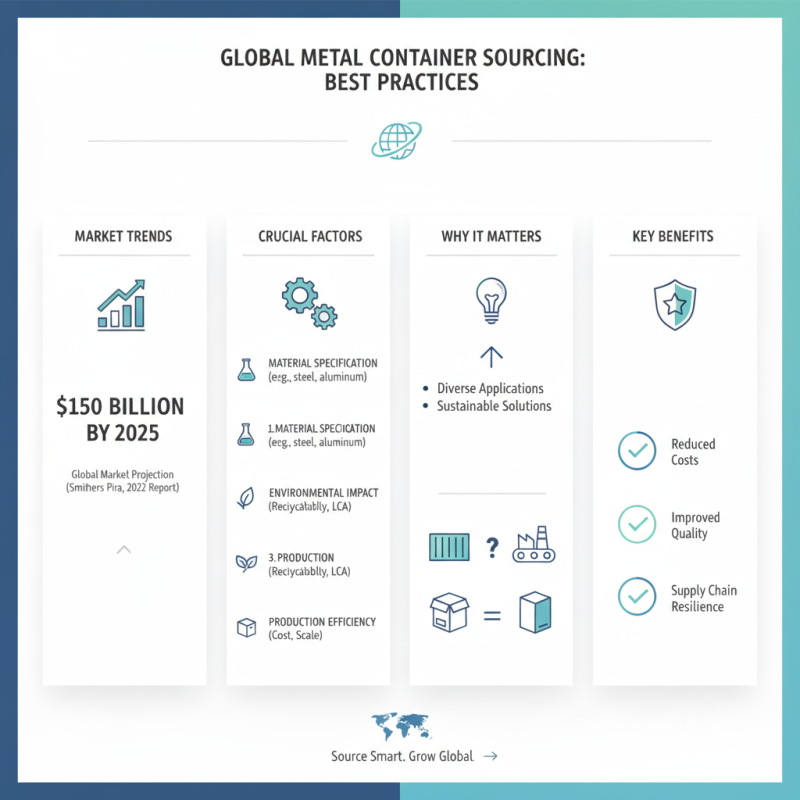
When sourcing metal containers globally, understanding market trends is crucial. According to a 2022 industry report by Smithers Pira, the global metal packaging market is projected to reach $150 billion by 2025. This growth highlights the importance of selecting the right containers for diverse applications. Key considerations include material specification, environmental impact, and production efficiency.
Tips: Always assess the sustainability credentials of your suppliers. Containers made from recycled materials can reduce your brand's carbon footprint. Look for certifications that verify material quality.
Furthermore, ensure you have clarity in your procurement process. When engaging with manufacturers across different countries, cultural nuances may affect negotiations. Having a local partner can help bridge communication gaps. Inconsistencies in quality control have been reported frequently, so regular audits are essential. Monitoring production closely can minimize errors and enhance product reliability.
Tips: Maintain an open line of communication with suppliers. Regular updates can prevent costly mistakes. Consider using technology for tracking shipments and quality checks. This digital approach can streamline operations.



 +8618680445103