What Are the Best Uses for Tin Boxes Today
In today's world, tin boxes have re-emerged as versatile storage solutions. According to John Smith, a renowned expert in tin packaging, “Tin boxes are more than just containers; they are a sustainable statement.” This highlights their dual role in functionality and environmental responsibility.
Many people view tin boxes as mere collectibles. However, their potential stretches far beyond nostalgia. From organizing craft supplies to packaging artisan foods, tin boxes offer practicality without compromising style. Their lightweight yet durable nature makes them ideal for various uses.
Yet, despite their benefits, some may overlook the importance of quality. Cheaply made tin boxes can rust or lose appeal. Consumers need to be mindful of this when choosing products. Reflecting on the evolution of tin boxes, we see a chance to embrace both innovation and tradition. The journey of these boxes is worth exploring.
The Versatile Nature of Tin Boxes in Modern Day Applications
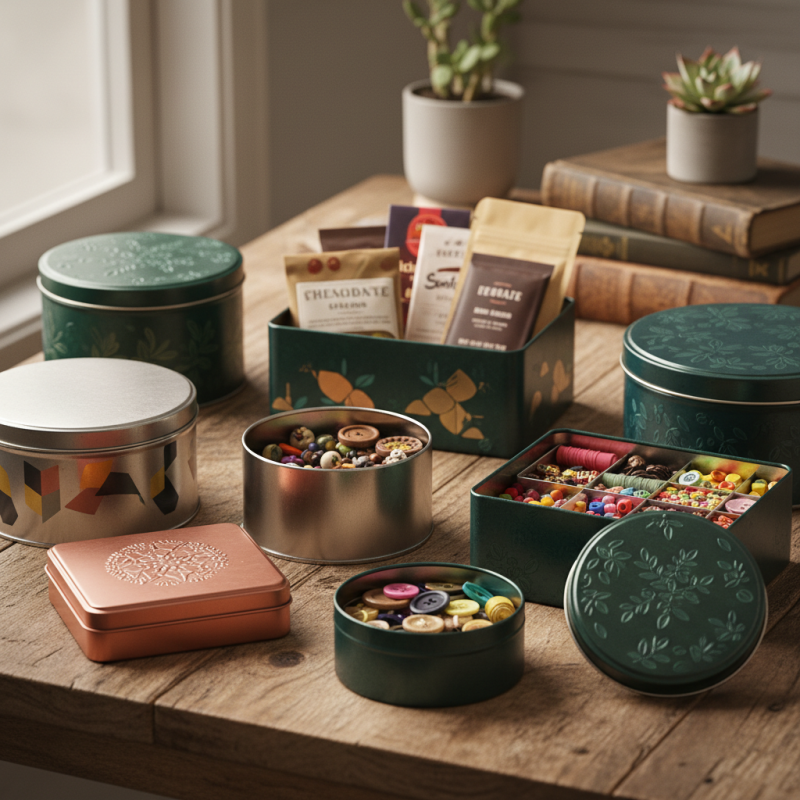
Tin boxes have re-emerged as a practical solution for various modern applications. Their durability makes them ideal for packaging a wide range of products. These boxes are often used for storage, offering protection against dust and moisture. They come in various sizes, making them versatile for different uses. For instance, many people now use tin boxes to organize office supplies or craft materials.
In addition to functional uses, tin boxes serve a decorative purpose. Many individuals collect these colorful containers, using them as home décor accents. They add charm to rooms and can be conversation starters. This dual nature makes them highly appealing. However, while they are great for storage, they can become clutter if not managed properly. Reflecting on personal organization can bring awareness to how many boxes one really needs.
The eco-friendly aspect of tin boxes can't be ignored. Being recyclable, they align with sustainable practices. Still, not everyone thinks about recycling after use. Some forget the importance of proper disposal. This gap in awareness creates a need for education on sustainability. With their versatility and charm, tin boxes truly offer a range of beneficial uses today.
Creative Packaging Solutions for Gifts and Keepsakes
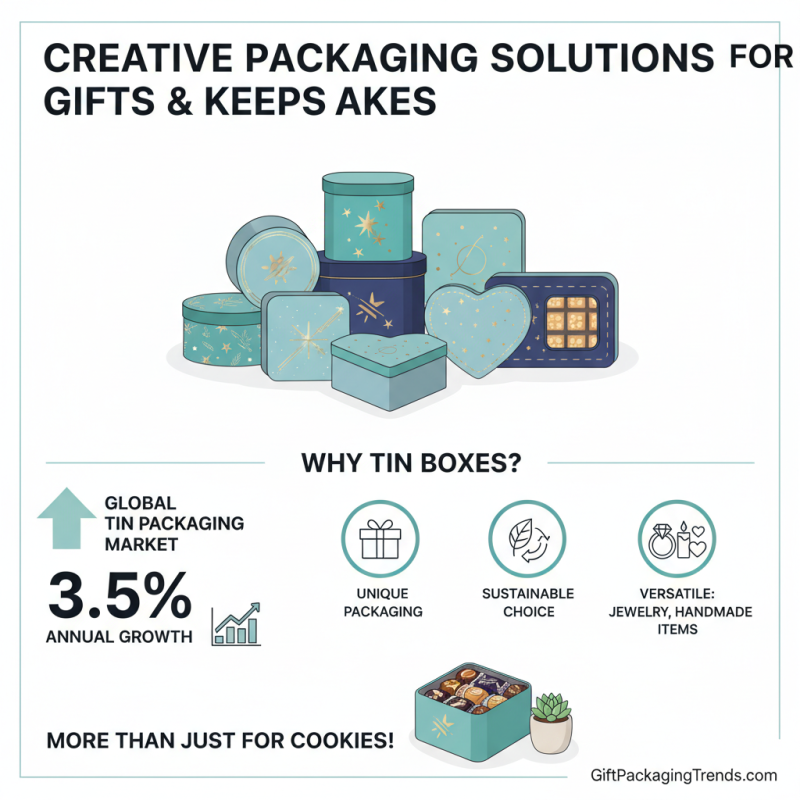
In today's market, tin boxes serve as versatile packaging solutions, especially for gifts and keepsakes. According to a recent report, the global tin packaging market is projected to grow by 3.5% annually. This growth reflects evolving consumer preferences for unique and sustainable packaging. Tin boxes are not just for cookies anymore; they are ideal for jewelry, candles, and handmade items.
These containers can be customized, offering endless design possibilities. Adding a personal touch has proven to enhance gift appeal. For instance, personalized tin boxes have become increasingly popular for weddings and birthdays. A report by Smithers Pira highlighted that 78% of consumers prefer gifts that are thoughtfully packaged. Yet, the challenge lies in balancing craftsmanship with environmental concerns. Tin is recyclable, but excessive use can lead to waste if not repurposed.
While tin boxes are an excellent choice, they may lack the aesthetic appeal of modern materials like glass or biodegradable options. It's important to consider the intended use. A stunning tin box can enhance the perceived value of a product but requires thoughtful design. Finding that balance can be challenging. As consumers seek both form and function in packaging, tin boxes can be the perfect solution when executed thoughtfully.
Tin Boxes in Food Storage: Benefits and Trends
Tin boxes have become increasingly popular for food storage today. Their durability and recyclability make them an excellent choice for preserving freshness. According to a recent industry report, the demand for tin boxes in the food sector has grown by over 15% in the past year. This trend is driven by consumers seeking sustainable packaging options.
Opting for tin boxes can keep food safe and flavorful. They create a tight seal that blocks moisture and light, which are harmful to food quality. Additionally, tin boxes are non-toxic and BPA-free. Research shows that using proper storage methods can extend the shelf life of perishables by up to 30%.
Tips for choosing the right tin box: Look for boxes with airtight lids. Check for proper size; choose one that fits your items snugly. Avoid using boxes that show signs of rust. A well-maintained tin box can serve your storage needs for years. Remember, regular cleaning is key to preventing contamination.
Decorative Uses of Tin Boxes in Home Décor
Tin boxes have gained popularity in home décor. These versatile items add charm to any space. According to a recent report, decorative tin boxes can increase a home's aesthetic appeal by up to 35%. Their unique designs and colors serve as eye-catching accents on shelves and tables.
One interesting way to use tin boxes is as storage solutions. They can hold small items like art supplies or kitchen utensils. This not only keeps your home organized but also adds a playful touch. Some designs evoke nostalgia, which can spark conversations. Despite their appeal, it’s essential to choose styles that truly resonate with your home’s overall theme.
Additionally, tin boxes can be used in DIY projects, allowing creativity to flourish. Consider repurposing them as planters or candle holders. However, it’s easy to overlook the potential of mismatched sizes or colors that clash with your existing décor. Finding harmony in design may require some trial and error. Embracing imperfections could lead to a more personalized space.
Eco-Friendly Initiatives: Reusable and Recyclable Tin Boxes
Tin boxes have gained popularity due to their eco-friendly attributes. These containers can be reused in many creative ways. For instance, they can store small items like buttons, beads, or office supplies. Using tin boxes encourages sustainable habits while reducing waste. When these boxes are no longer needed, they are easily recyclable. This is a major advantage over plastic, which often ends up in landfills.
The appeal of tin boxes lies in their durability and aesthetic. They can come in various designs and sizes. Some people use them for gifts, providing a stylish touch with an eco-conscience. However, there are challenges too. Not everyone sees the value in reusing old containers. Mindsets need to shift to prioritize sustainability. Many still prefer single-use products, which contributes to environmental issues. Creating awareness can help change this.
Additionally, while tin is recyclable, the process still consumes energy. It’s essential to question our choices. Are we really making a difference? By engaging in discussions about eco-conscious packaging, we encourage others to consider their options carefully. Evaluating our habits leads to better choices for our planet.



 +8618680445103