Exploring China Top Tin Canister Designs and Their Unique Features?
In the world of packaging, the tin canister stands out for its design and functionality. Experts emphasize the importance of aesthetics and practicality in these containers. Michael Langford, a leading expert in packaging design, once said, "A great tin canister is not just a container but also a conversation piece."
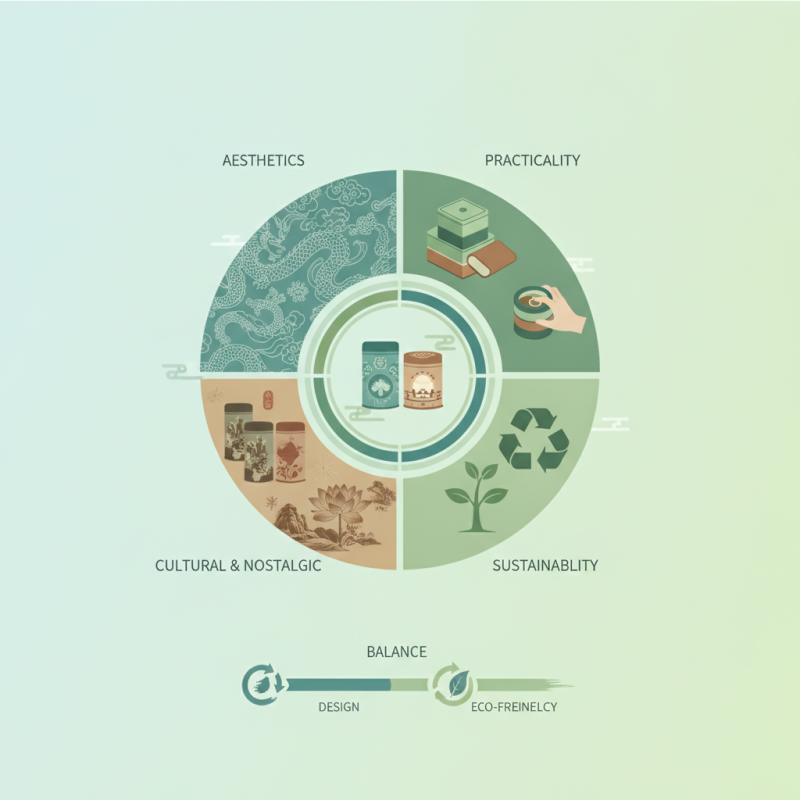
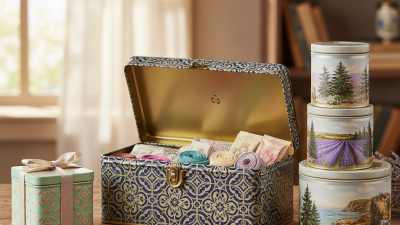
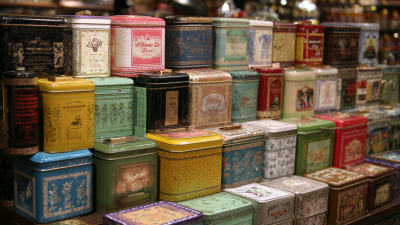
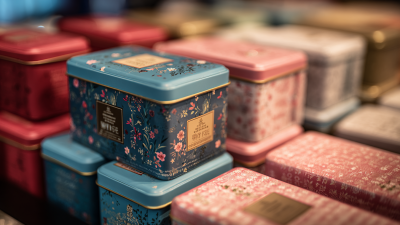
Exploring the rich variety of tin canister designs reveals their unique features. Some canisters boast intricate patterns, while others focus on minimalist elegance. These designs reflect cultural elements and evoke nostalgia.
Yet, as we examine these canisters, one must consider the environmental impact of production. Are we prioritizing style over sustainability? The future hinges on balancing aesthetics with eco-friendliness. How can the industry innovate without compromising our planet? Exploring these questions will deepen our appreciation for the art of tin canister design.
Innovative Features of Traditional Chinese Tin Canister Designs
Tin canister designs in China have a rich heritage. They reflect traditional craftsmanship and innovation. Many canisters feature intricate patterns and vibrant colors. These designs capture cultural symbolism and local history. Observing them reveals a wealth of stories.
One unique feature is the use of lacquer finishes. This technique adds depth and sheen to the surface. Besides beauty, it enhances durability. Some artists incorporate calligraphy, showcasing literary skills passed down through generations. This blend of art and functionality invites reflection on cultural values. However, the balance between aesthetics and practicality is sometimes challenging.
Modern interpretations of these canisters strive to merge tradition with contemporary styles. The challenge lies in retaining authenticity while appealing to new generations. As consumers seek sustainable options, the relevance of traditional designs faces scrutiny. The journey of these tin canisters continues, revealing both the allure and complexity of preserving heritage.
Exploring China Top Tin Canister Designs and Their Unique Features
| Design Name |
Material |
Capacity (ml) |
Unique Features |
Cultural Significance |
| Classic Dragon |
Tin |
500 |
Embossed dragon pattern, glossy finish |
Represents power and strength in Chinese culture |
| Lotus Blossom |
Aluminum |
300 |
Colorful floral prints, tight-seal lid |
Symbolizes purity and beauty |
| Phoenix Crest |
Steel |
450 |
Intricate phoenix design, antique finish |
Symbol of rebirth and renewal |
| Bamboo Harmony |
Tin |
750 |
Nature-inspired motifs, eco-friendly ink |
Represents resilience and flexibility |
Cultural Significance of Tin Canisters in Chinese Society
Tin canisters hold a special place in Chinese culture. They are not just containers; they symbolize tradition and craftsmanship. Many families use them to store tea, herbs, or other essentials. The intricate designs often reflect local folklore and artistic styles. Each canister tells a story, connecting the past with the present.
In festivals, these canisters are cherished. They often appear as gifts, filled with treats. Their presence at celebrations signifies respect and goodwill. However, some families now prefer modern packaging. This shift raises questions about the future of these traditional designs. Are we losing valuable cultural connections?
The unique features of tin canisters deserve attention. Their durability and versatility are important. Yet, while they are admired, we must also remember their declining use. The balance between tradition and modernity is delicate. These beautiful canisters represent more than just storage; they embody a rich heritage that must be preserved.
Diverse Materials and Techniques Used in Tin Canister Crafting
The world of tin canister design reveals a vibrant blend of materials and techniques. High-quality tinplate remains a popular choice due to its durability and resistance to corrosion. According to industry reports, approximately 61% of tin containers utilize tinplate as their primary material. This metal is lightweight yet sturdy and allows for intricate designs.
Artisans often incorporate other materials such as plastic or wood to enhance uniqueness. For instance, some canisters feature wooden lids that add a warm touch. Innovative techniques include embossing and painting, which create eye-catching designs. Research indicates that over 54% of consumers prefer custom designs, highlighting the importance of aesthetic appeal in packaging.
Tips: When choosing a tin canister, consider its material. Ensure it aligns with your intended use. A proper design can also enhance the product's marketability. Quality crafting methods are essential; some cheap alternatives may lack durability, requiring reflection on long-term utility.
Modern Trends in Tin Canister Designs for Consumer Products
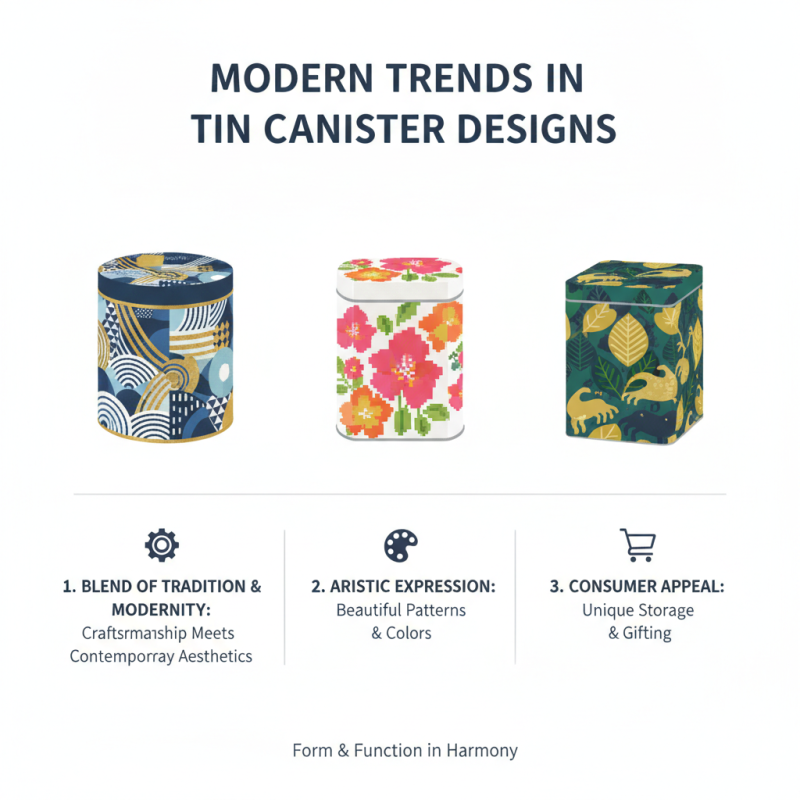
In recent years, modern trends in tin canister designs have gained significant attention. Designers are blending traditional craftsmanship with contemporary aesthetics. The result is a delightful mix of form and function. These canisters often feature beautiful patterns and vibrant colors, attracting consumers looking for unique storage solutions.
Sustainability also plays a vital role in these designs. Many manufacturers are focusing on eco-friendly materials and production methods. This shift reflects a growing consumer preference for environmentally responsible products. However, some designs may prioritize style over practicality, leading to usability concerns. There is room for improvement in balancing aesthetics with functionality.
Innovative features are becoming more common in tin canister designs. Some include airtight seals to preserve contents, while others integrate modular elements for easy stacking. These thoughtful designs enhance user experience. Yet, the industry grapples with maintaining affordability. Striking a balance between high-quality materials and cost can be challenging. The journey to perfecting tin canister designs continues, demanding both creativity and critical reflection.
Comparative Analysis of Regional Variations in Tin Canister Styles
Tin canisters vary widely across regions, showcasing unique designs and functionalities. In Asia, especially in China, tin canisters are often adorned with intricate patterns and vibrant colors. These designs reflect cultural stories and traditions, making each piece a work of art. For example, some canisters feature dragon motifs, symbolizing strength and luck.
In contrast, Western designs tend to prioritize simplicity and practicality. Minimalist styles focus on clean lines and muted colors. However, this difference in aesthetics leads to a rich tapestry of options for collectors. Unique features can include embossed details or detachable lids, which provide both flair and functionality.
Tips: When selecting a tin canister, consider its intended use. Will it store food or serve as decor? Pay attention to the sealing mechanisms. Not all canisters offer the same protection against air and moisture. If you're unsure about a certain design's authenticity, research its origins. Knowledge can enhance your appreciation of its craftsmanship.



 +8618680445103