China Top Food Metal Can Suppliers for Global Buyers Today?
In today's global market, the demand for Food Metal Can products is soaring. This increase highlights the importance of sourcing reliable suppliers. Chinese manufacturers are stepping up to meet these needs, offering quality and variety. Many buyers are looking for trusted partners in this competitive landscape.
Understanding the landscape of Food Metal Can suppliers requires knowledge of the industry. China's diverse market provides various options, each with unique offerings. However, not all suppliers are created equal. Some may lack certifications or fail to meet international quality standards. Research is essential to find those who prioritize safety and reliability.
Exploring the top Food Metal Can suppliers can be a daunting task. Buyers should reflect on their priorities, such as sustainability and price. It's crucial to ensure that the chosen supplier aligns with their values and needs. By approaching this search thoughtfully, organizations can partner with suppliers that uphold both quality and ethical manufacturing practices.
China's Role in the Global Metal Can Market: An Overview
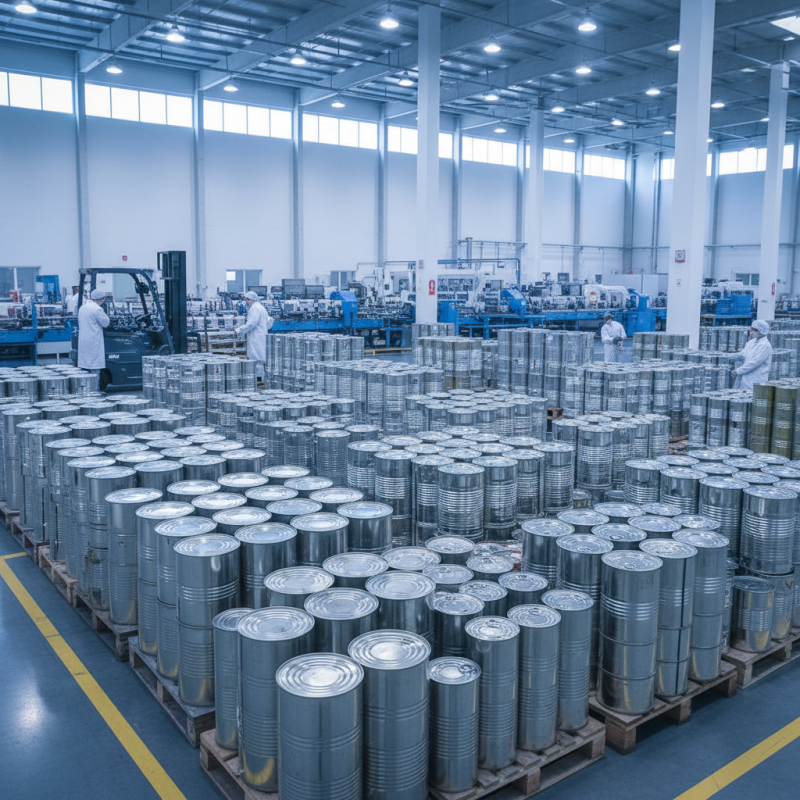
China has become a significant player in the global metal can market. Its production capabilities and extensive supply chains enable it to cater to a variety of industries. The country manufactures billions of cans each year, used for food, beverages, and other applications. Understanding China's market dynamics is essential for global buyers looking for reliable suppliers.
One key advantage is China's modern manufacturing facilities. These factories often utilize advanced technology, leading to high efficiency. Despite this, challenges like fluctuating raw material costs can affect pricing. Buyers should be aware of these factors when sourcing metal cans from China.
Tips for global buyers include verifying supplier credentials and seeking out quality certifications. Building relationships with local representatives can also help navigate the complexities of the Chinese market. Communication is crucial; be clear about your requirements to avoid misunderstandings. Always consider potential trade barriers and stay informed about the latest regulations to ensure smooth transactions.
China Top Food Metal Can Suppliers for Global Buyers Today
| Supplier Region |
Production Capacity (Million Units/Year) |
Market Share (%) |
Export Markets |
Sustainability Initiatives |
| Eastern China |
150 |
25 |
North America, Europe |
Recycling programs, Eco-friendly materials |
| Southern China |
120 |
20 |
Asia, Oceania |
Energy-efficient production, Green certification |
| Northern China |
180 |
30 |
Africa, Middle East |
Carbon footprint reduction, Water conservation |
| Western China |
80 |
15 |
Europe, North America |
Sustainable sourcing, Waste reduction measures |
| Central China |
100 |
10 |
South America, Asia |
Certified materials, Community recycling initiatives |
Key Players in China's Metal Can Supply Industry
China's metal can supply industry is booming. The country plays a significant role in the global market. Several companies stand out, driven by innovation and technology. Producers focus on creating sustainable products, meeting rising consumer demands. Advanced manufacturing processes enhance productivity, ensuring quality control.
Competition among suppliers is fierce. Many companies strive for optimization in production and logistics. Some face challenges adapting to new environmental regulations. Cost management remains critical amidst fluctuating raw material prices. Buyers seek reliable partners who can provide consistent supply.
Growth opportunities exist in specialty metal cans. This niche attracts suppliers willing to invest in research and development. Customization options are essential for catering to diverse customer needs. However, maintaining quality while scaling production poses ongoing dilemmas. The industry's dynamism requires constant adaptation and strategic foresight.
Market Trends and Demand for Metal Cans in 2023
In 2023, the demand for metal cans in the global market reflects an evolving consumer preference. More buyers are leaning towards sustainable packaging options. Metal cans are popular due to their recyclability and durability. This shift highlights a growing awareness of environmental issues among consumers.
Market trends show an increasing preference for lightweight metal cans. These cans are easier to transport and reduce shipping costs. The beverage industry, in particular, is seeing a rise in metal can usage. Many manufacturers are exploring innovative designs to enhance shelf appeal. However, some companies still struggle with production cost efficiencies.
As production ramps up, challenges remain. Supply chain disruptions occasionally hinder timely deliveries. Quality control must also be prioritized to maintain high standards. Balancing cost, quality, and sustainability is a tricky endeavor. Industry players must reflect on these issues to adapt effectively in a competitive landscape.
Quality Standards and Certifications for Metal Can Suppliers in China
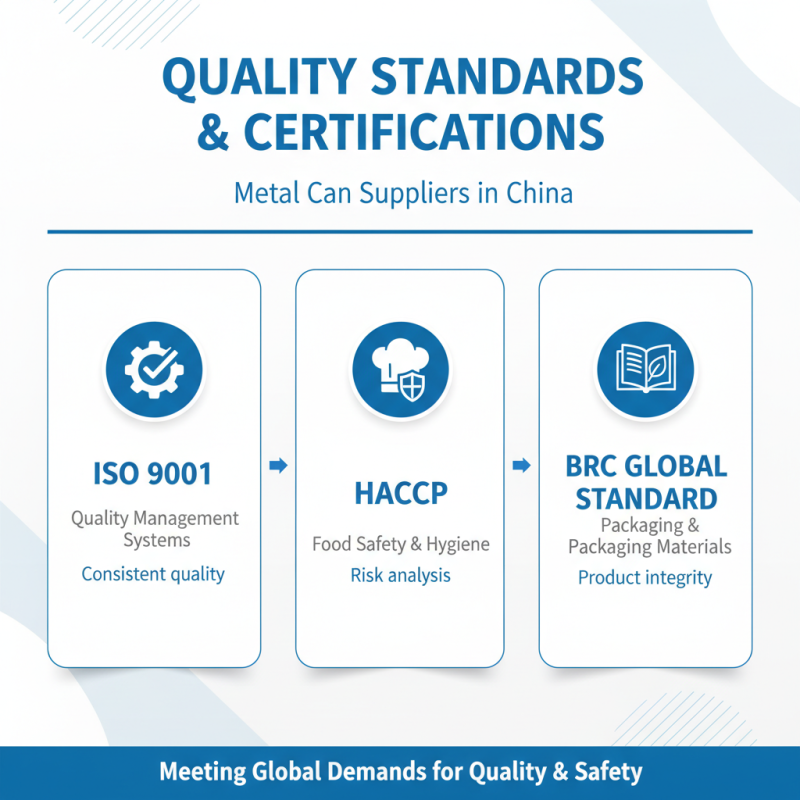
The demand for high-quality metal cans has risen significantly in recent years. In China, metal can suppliers adhere to rigorous quality standards and certifications. Many follow ISO 9001, ensuring consistent quality management systems. Other important certifications include HACCP and BRC, focusing on food safety and hygiene.
According to a 2022 industry report, around 75% of Chinese metal can suppliers meet international quality standards. This enhances their credibility among global buyers. However, some manufacturers still struggle with compliance. Frequent audits and inspections help identify gaps in quality assurance. Manufacturers must remain vigilant to maintain their standards.
Tip: Always request certification documents when engaging with suppliers. This provides reassurance of their compliance with industry norms.
Moreover, understanding the specific regulations for different markets can be challenging. Some regions have unique requirements for food safety packaging. Ensuring that suppliers can meet various market standards is crucial. A thorough assessment can often reveal potential issues before they escalate.
Tip: Engage with suppliers who demonstrate transparency in their processes. This builds trust and fosters long-term relationships.
Future Projections for China's Metal Can Exports and Global Market Impact
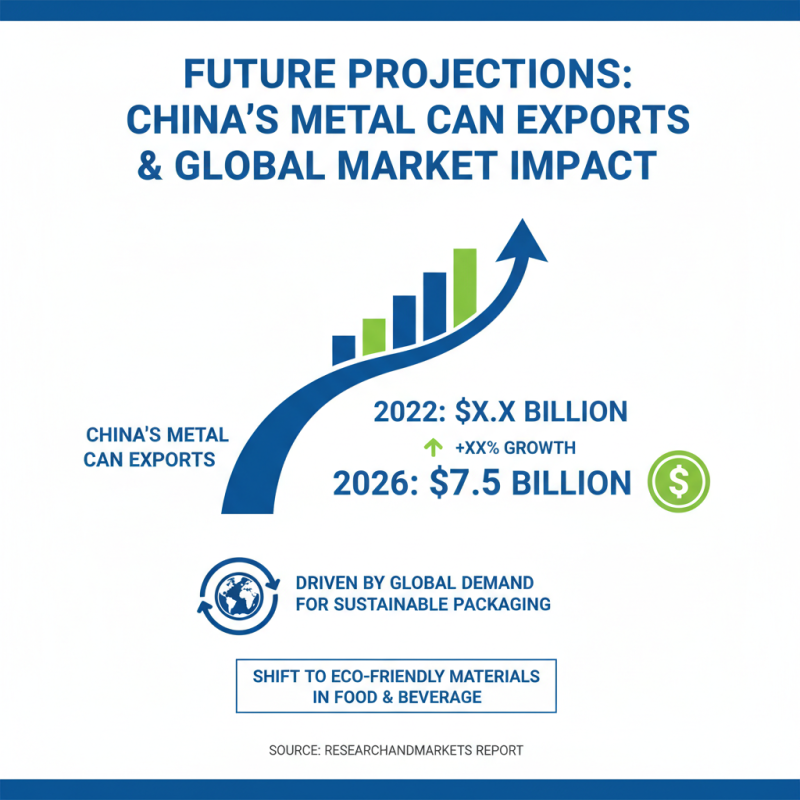
As China's metal can industry evolves, projections suggest a substantial growth trajectory. According to a recent report by ResearchAndMarkets, China's metal can exports are expected to reach $7.5 billion by 2026, driven by rising global demand for sustainable packaging solutions. This trend indicates a shift toward eco-friendly materials in food and beverage sectors.
The Asia-Pacific region leads the demand for metal cans, accounting for over 40% of global consumption in 2023. Increased investments in production capabilities contribute to this growth. However, challenges persist, including fluctuating raw material prices and stringent environmental regulations. Industry experts emphasize the need for innovation to address these hurdles.
Moreover, the metal can export market is influenced by economic factors. The current economic uncertainty impacts consumer spending patterns, particularly in developed markets. Manufacturers must adapt strategies to remain competitive. Preliminary data indicates a possible slowdown in growth rates, prompting stakeholders to reassess their market approaches. Understanding these dynamics is crucial for global buyers navigating this changing landscape.



 +8618680445103