How to Choose the Best Aluminum Container for Food Storage in 2025
In the ever-evolving world of food storage solutions, the choice of materials plays a vital role in preserving both the quality and safety of our food. As we approach 2025, aluminum containers have gained significant attention for their lightweight, durability, and recyclability. Industry expert Dr. Emily Hastings states, "When choosing an aluminum container, it’s essential to consider not only its physical properties but also its impact on food quality and the environment." This insight spotlights the importance of making informed decisions in the selection process.
The versatility of aluminum containers has made them a preferred choice for many, ranging from household kitchens to commercial food services. Their ability to maintain temperature and minimize contamination is unmatched, making them an indispensable part of modern food storage strategies. As we delve further into the nuances of selecting the best aluminum container for your needs, we will explore factors such as size, design, and sustainability. Understanding these elements is crucial in ensuring the optimal preservation of food while also contributing to a greener planet. In this guide, we aim to provide you with the necessary knowledge to make an educated choice in the world of aluminum food storage containers.

Factors to Consider When Selecting Aluminum Food Storage Containers
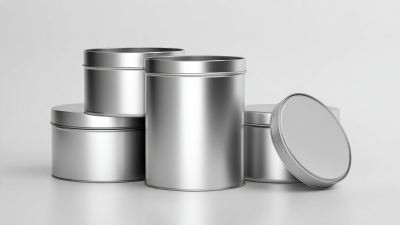
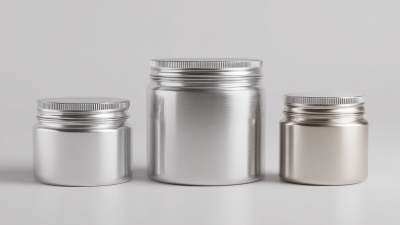
When selecting aluminum food storage containers for your kitchen in 2025, there are several key factors to consider. First, assess the size and shape of the containers to ensure they fit your storage needs. Whether you’re storing leftovers, prepping meals, or organizing dry goods, choosing the right size will enhance your kitchen efficiency. Additionally, consider containers with lids that create an airtight seal; this feature helps maintain freshness and prevents contamination.
Another important aspect is the thickness and quality of the aluminum. Thicker aluminum not only provides better insulation but also increases durability, making it less likely to bend or deform. Look for containers that are rust-resistant and non-toxic, ensuring that they are safe for food storage. Additionally, check if the containers are recyclable, as sustainability is becoming increasingly important for consumers.
**Tips:** Always verify if the aluminum containers are microwave or freezer safe, depending on your storage needs. Opt for stackable designs that save space in your kitchen. Lastly, consider opting for containers with transparent lids or sides, which can make it easier to identify the contents at a glance, thus streamlining your cooking preparations.
Comparing Different Types of Aluminum Containers for Food Storage
When selecting aluminum containers for food storage, it is essential to compare the various types available on the market to make an informed decision. Aluminum foil containers, for instance, are lightweight and excellent for conducting heat, making them ideal for baking and reheating purposes. According to a recent market research report by Smithers Pira, the global aluminum packaging market is projected to reach $140 billion by 2025, driven by increasing demand for sustainable and recyclable packaging solutions. This trend highlights the importance of considering not just functionality but also environmental impact when choosing aluminum containers.
Another type to consider is rigid aluminum containers, commonly used for meal prep and takeout services. These containers provide enhanced durability compared to their foil counterparts and are often designed to withstand higher temperatures. Data from the Freedonia Group indicates that the foodservice aluminum packaging segment is expected to grow significantly, with a compound annual growth rate of over 5% from 2020 to 2025. This growth is attributed to the increasing popularity of convenience foods that require reliable packaging capable of maintaining product integrity.
Additionally, when evaluating aluminum containers, look for features such as airtight seals and stackability, which can further enhance storage efficiency. With sustainability in mind, opting for recyclable aluminum options can minimize your environmental footprint while benefiting from the lightweight and heat-conductive properties of this material. As the market evolves and consumer preferences shift, staying informed about the best options will ensure you choose the right container for your food storage needs.
Comparison of Aluminum Container Types for Food Storage in 2025
Understanding Food Safety Standards for Aluminum Containers
When selecting aluminum containers for food storage, understanding the relevant food safety standards is paramount. In 2025, there will be a heightened emphasis on compliance with regulations set forth by health authorities, ensuring that all materials used in food contact applications are free from harmful substances. These standards dictate that aluminum containers must not leach potentially hazardous chemicals into food, particularly when they are in contact with acidic or alkaline substances. Therefore, looking for containers that meet or exceed these safety criteria is essential for maintaining food integrity and consumer health.
Moreover, certification from recognized health organizations can serve as a reliable indicator of a container's safety and suitability for food storage. Many regulations focus on the use of safe coatings and finishes that prevent any adverse reactions between the aluminum and food products. Additionally, proper labeling is crucial, providing consumers with information about storage instructions and temperature limits. Awareness of these food safety standards not only helps consumers make informed choices but also fosters trust in the use of aluminum for food storage solutions. As the culinary landscape evolves, staying up-to-date with these practices will be vital in ensuring both safety and satisfaction in food preservation.
Durability and Longevity: What to Look for in Aluminum Storage
When choosing an aluminum container for food storage in 2025, understanding the durability and longevity of your options is crucial. According to a recent industry report by Food Storage Trends, the demand for durable food storage solutions has increased by over 25% due to rising consumer awareness about food safety and waste reduction. High-quality aluminum containers not only resist corrosion but also maintain structural integrity over time, making them ideal for both short-term and long-term storage of various food items.
To ensure that you select an aluminum container that withstands the test of time, consider factors such as thickness and design. Containers with a minimum thickness of 0.3mm are generally recommended, as they provide better strength and resistance to denting. Additionally, look for lids that create an airtight seal, which extends food freshness while preventing contamination.
Tips: Always choose containers with BPA-free coatings to safeguard your food from any chemical leaching. Identifying aluminum containers that are recyclable can further enhance sustainability efforts. Lastly, consult consumer reviews and ratings to gain insights into the product's performance in real-world scenarios, ensuring you make an informed decision.
Eco-friendly Options: Sustainable Choices for Aluminum Food Containers
In 2025, the demand for eco-friendly food storage solutions is anticipated to surge, as consumers become increasingly aware of the environmental impact of their choices.
Aluminum containers stand out as a sustainable option, especially when produced using recycled materials. Notably, the Aluminum Association has reported that recycling aluminum saves up to 95% of the energy required to create new aluminum from raw materials. This energy efficiency not only reduces carbon emissions but also supports a circular economy by minimizing waste and promoting the reuse of materials.
When choosing aluminum containers, it's crucial to look for products that are certified as recyclable and made from at least 50% recycled aluminum. Recent industry studies indicate that the global market for sustainable packaging is expected to reach $400 billion by 2025, driven by consumer preferences for more responsible and eco-conscious products.
As manufacturers innovate and improve their practices, we can anticipate more options that combine functionality and sustainability, including lightweight designs and efficient sizes that minimize waste during production and transportation.
By opting for these eco-friendly aluminum containers, consumers can significantly reduce their environmental footprint while enjoying the benefits of durable and versatile food storage solutions.



 +8618680445103