How to Choose the Best Medicine Container for Safe Storage and Use
When it comes to managing medications, the choice of a suitable Medicine Container is crucial for ensuring both safety and effectiveness. Proper storage not only preserves the potency of the medicines but also minimizes the risk of accidental ingestion, especially in households with children. A well-chosen medicine container can aid in organizing various medications, making it easier for individuals to adhere to their dosage schedules without confusion.
In this guide, we will explore several factors to consider when selecting the best medicine container for your needs. From materials and sizes to features that offer additional security and convenience, understanding these aspects will empower you to make informed decisions that protect both your health and that of your loved ones. Whether you are looking for a simple pill organizer or a more sophisticated solution, recognizing the importance of a reliable medicine container is the first step toward safer medication management.
Understanding Different Types of Medicine Containers for Storage
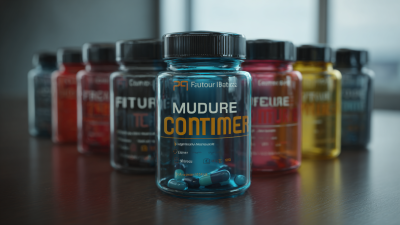
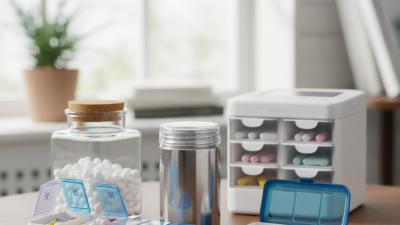
When it comes to storing medications safely, understanding the different types of medicine containers is essential. Medicine containers vary in design and functionality, with options such as pillboxes, bottles, blister packs, and child-resistant packaging. Pillboxes are perfect for organizing daily doses, while bottles with secure lids offer good protection against moisture and light, two common factors that can degrade medication. Blister packs provide individual compartments that can help in knowing exactly how many doses remain, promoting adherence to medication schedules.
**Tips:** Always look for containers with clear labeling to avoid confusion. If you have multiple medications, consider using a color-coded system or labeling each container with the medication name and dosage details. Additionally, check the expiration dates regularly, and dispose of any unused or expired medications properly.
Beyond the typical containers, consider investing in specialized options like temperature-controlled storage for certain medications that require specific environmental conditions. Choosing the right container not only extends the life of your medications but also ensures your health and safety.
**Tips:** When selecting a container, ensure it's easy to open but secure enough to prevent accidental access by children or pets. Keep your containers in a consistent, dry location away from direct sunlight, as this will help maintain the efficacy of your medications.
Factors to Consider When Choosing a Medicine Container
When selecting a medicine container for safe storage and use, there are several essential factors to consider. First and foremost, the material of the container is crucial. Opt for containers made from high-quality, non-toxic materials such as glass or BPA-free plastic that can prevent chemical leaching over time. Additionally, consider the container's ability to provide appropriate protection from light, moisture, and air, as these elements can degrade the potency of medications. For instance, dark-colored glass containers can shield contents from harmful UV rays, while airtight seals can help maintain freshness.
Another essential factor to consider is the container's size and labeling features. Choose a size that accommodates your medication quantities without overcrowding, as excess space can lead to confusion and errors in dosage. Furthermore, clear labeling is vital for easy identification; containers should have ample space for readable labels detailing the medication name, dosage instructions, and expiration date. This not only aids in preventing medication errors but also fosters responsible storage and usage practices, enhancing safety for all users.
Evaluating Safety Features of Medicine Storage Solutions
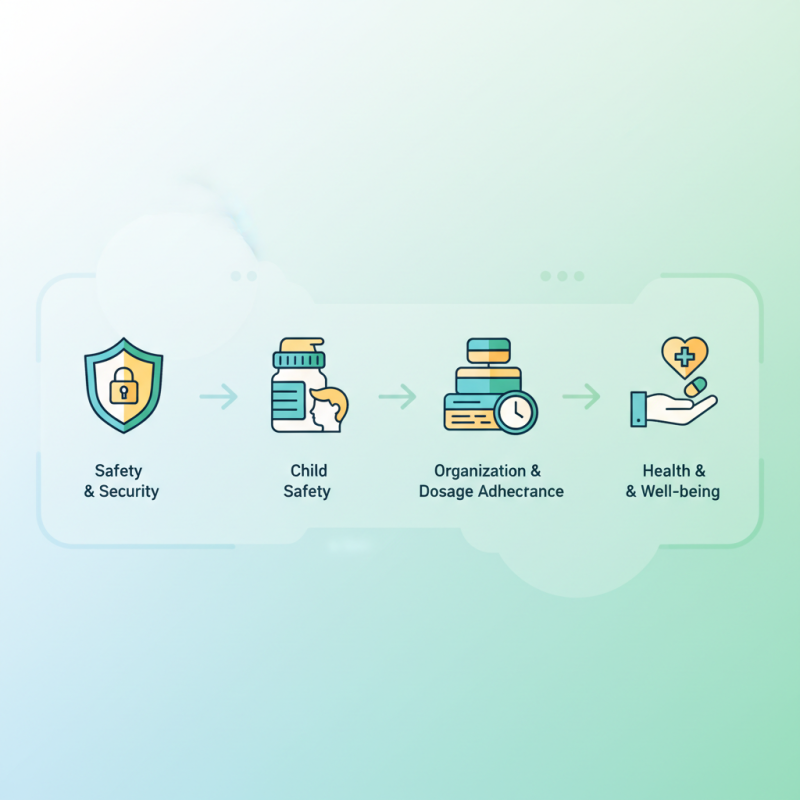
When evaluating the safety features of medicine storage solutions, several key aspects should be considered to ensure not only the preservation of medication efficacy but also the protection of users. One of the foremost features is child-proof locking mechanisms, which are essential for households with young children. These locks can prevent accidental ingestion, a significant safety concern. Additionally, look for containers that have secure sealing mechanisms to keep medications protected from moisture and contamination, which can compromise their integrity.
Another important safety feature to assess is clarity and labeling. Containers should be designed with clear compartments or spaces that allow for easy visibility of the contents. This transparency aids users in quickly identifying the required medication without confusion, reducing the likelihood of mistakes in administration. Furthermore, consider containers with built-in reminders or tracking systems, which can help users manage their medication schedules effectively and avoid missed doses. By focusing on these safety features, individuals can ensure that their medicine storage solutions promote both effectiveness and security.
Best Practices for Organizing and Using Medicine Containers
When organizing medicine containers, the first step is to categorize your medications effectively. Group similar items together, such as prescription medications, over-the-counter drugs, and supplements. This practice not only streamlines the process of locating a specific item but also helps in maintaining an awareness of what you have on hand. Labeling each category clearly can further reduce any confusion during times when quick access is essential.
Another best practice is to regularly check the expiration dates on your medications. Discard any that are expired, and consider implementing a rotation system where older items are placed at the front of the container. This ensures that you are using the medicines in a timely manner and prevents the accumulation of unnecessary or outdated products. Additionally, keeping an inventory or a list of medications, including their expiration dates, can be beneficial for tracking and organization.
How to Choose the Best Medicine Container for Safe Storage and Use - Best Practices for Organizing and Using Medicine Containers
| Container Type |
Material |
Child Safety |
Size |
Best Use |
| Pill Bottle |
Plastic |
Yes |
30-60 capsules |
Daily medication |
| Medication Organizer |
Plastic |
Yes |
Weekly |
Multiple doses |
| Travel Pill Case |
Metal |
No |
Compact |
On-the-go |
| Glass Jar |
Glass |
Yes |
Various sizes |
Long-term storage |
| Syringe Container |
Plastic |
Yes |
Standard |
Sharps disposal |
Maintaining Your Medicine Container for Longevity and Effectiveness
Proper maintenance of medicine containers is essential for ensuring the longevity and effectiveness of the medications stored within them. According to a study by the National Institutes of Health, approximately 50% of medications lose their efficacy when not stored under optimal conditions, often due to unsealed or damaged containers. To safeguard against this, it’s crucial to regularly inspect containers for any signs of wear, such as cracks or breaks, which can compromise their integrity. Furthermore, keeping containers in a cool, dry place, away from direct sunlight, can significantly extend their lifespan.
Another vital aspect is adhering to manufacturer guidelines for storage conditions. Many medications require specific temperature ranges or humidity levels to remain effective. For instance, the U.S. Food and Drug Administration recommends storing most medications at temperatures between 20°C and 25°C (68°F and 77°F) to maintain their potency. Additionally, routine cleaning of the container exterior and ensuring that the lid or cap is securely fastened each time can prevent contamination and moisture buildup. According to research from the Journal of Pharmaceutical Sciences, improper storage practices can lead to a decrease in the effectiveness of medications, highlighting the importance of maintaining both the container and its contents properly.
Medicine Container Effectiveness by Material Type



 +8618680445103