How to Choose the Best Metal Can for Your Packaging Needs?
Choosing the right Metal Can for your packaging needs can significantly impact product preservation and brand image. According to industry expert Sarah Thompson, “A well-chosen Metal Can not only protects the product but also enhances its market appeal.” With various sizes, materials, and designs available, the decision-making process can seem daunting.
Metal Cans offer durability and safety for a wide range of products, from food to chemicals. However, selecting the right one requires careful consideration of product requirements and customer preferences. For example, a product that needs airtight sealing will demand a different Metal Can than one that only requires basic protection. It’s crucial to assess factors like corrosion resistance and weight.
Moreover, many businesses overlook the aesthetic aspect. A visually appealing Metal Can can capture consumer attention on retail shelves. But, it’s not always easy to find the perfect balance between functionality and design. Reflecting on these complexities can lead to more informed choices, helping create a Metal Can that truly meets all packaging needs.
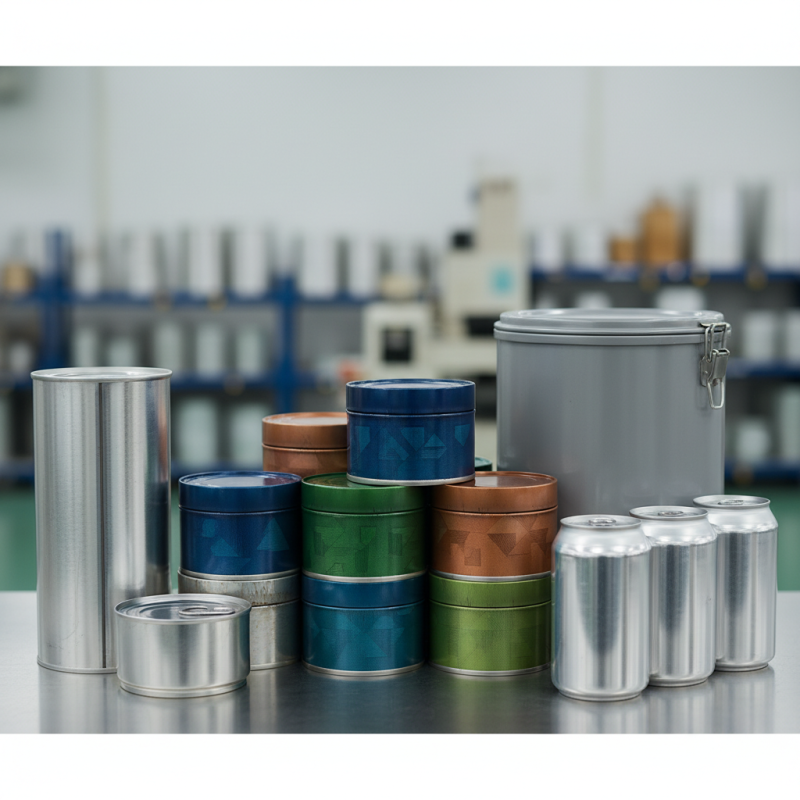
Factors to Consider When Selecting a Metal Can for Packaging
When selecting a metal can for packaging, several factors come into play. The choice of metal type is crucial. Aluminum and steel are the most common. According to the Metal Packaging Association, aluminum cans make up around 60% of the beverage packaging market. They are lightweight and resistant to corrosion, making them ideal for drinks. Steel, on the other hand, is often used for food products due to its durability and strength.
Consider the can size and shape as well. These will influence storage and transportation. The right dimensions can reduce shipping costs. A recent study found that optimizing can sizes can lower freight costs by up to 15%. Furthermore, the intended use matters. Different products may require specific coatings or linings to prevent interaction with the can material. In some cases, products may react with the metal, leading to quality degradation.
Lastly, sustainability is becoming a top priority. The recycling rate for aluminum is about 75%, significantly higher than glass or plastic. Consumers prefer eco-friendly packaging. A recent consumer survey indicated that over 70% of respondents are willing to pay more for sustainable packaging. Choosing the right metal can involves balancing these factors with practical needs.
Types of Metal Cans and Their Common Uses in Various Industries
When selecting the right metal can for your packaging needs, it’s essential to understand the different types available and their applications. Metal cans are highly versatile, used across industries such as food, beverages, and chemicals. For instance, aluminum cans are popular in the beverage industry for their lightweight and recyclability. Steel cans, on the other hand, are often used for food products, providing durability and a long shelf life.
Consider the specific requirements of your product. Does it require airtight sealing? For such needs, metal cans with a hermetic seal work best. If you are packaging delicate products, opt for cans with a thinner gauge to ensure ease of handling.
Tips: Always check for compatibility with your product’s chemistry. Metal cans may react with certain substances. Understand regulations that may apply to your packaging choice. Choosing the right can also affects consumer perception. A well-designed can can enhance brand image significantly.
Lastly, take time to reflect on your packaging's environmental impact. Recycling options vary based on metal type. Assess your choice for sustainability. Making the right decision can promote eco-friendliness in your packaging line.
Types of Metal Cans and Their Common Uses in Various Industries
Understanding Metal Can Sizes and Shapes for Optimal Fit
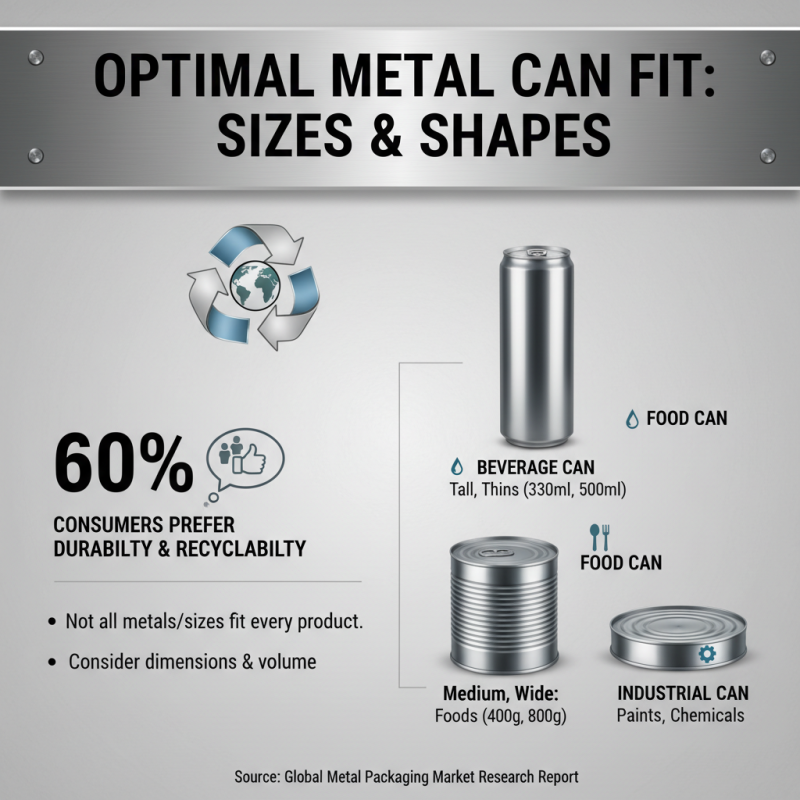
When choosing a metal can, understanding sizes and shapes is crucial for optimal fit. The Global Metal Packaging Market Research Report states that over 60% of consumers prefer metal cans for their durability and recyclability. However, not all metals and sizes are suitable for every product. Selecting the right can involves considering dimensions and volume.
Standard can sizes include 8 oz, 12 oz, and 16 oz, but custom sizes are available. It's essential to assess the product's specific requirements. For example, smaller cans often preserve freshness better for perishables, while larger cans are ideal for bulk items. Also, unique shapes like those designed for beverages can enhance shelf presence and brand identity.
Moreover, not all metal is created equal. Aluminum cans are lighter and more cost-effective, while steel cans offer superior protection. Yet, depending on the type of product, a mismatch in material can lead to spoilage or diminished quality. Packaging decisions should reflect consumer preferences and product characteristics. Using accurate measurements ensures the correct fit and minimizes waste.
Evaluating the Durability and Preservation Qualities of Metal Cans
When selecting a metal can, durability and preservation qualities are crucial factors. Metal cans are often chosen for their ability to protect contents from external contaminants. A robust can will resist impact and withstand various environmental conditions. This is vital for products that require long shelf lives or storage in challenging conditions.
The choice of metal can also affects preservation. Cans can prevent light exposure, which can degrade sensitive contents. Moreover, airtight seals keep moisture and oxygen at bay, maintaining freshness. However, not all metal cans are created equal. Some may corrode over time, leading to chemical reactions that could spoil the contents. It's important to consider the type of metal used and its resistance to rust.
Evaluating the thickness and strength of the can’s walls can help you determine its sturdiness. Testing the can against normal pressure and impact can provide insight into its durability. It is wise to seek feedback on different types of cans from trusted sources. There is no one-size-fits-all solution, as packaging needs vary greatly. Consider your specific product requirements to ensure your choice truly meets your preservation goals.
Cost-Effectiveness: Comparing Metal Cans to Other Packaging Options
When considering packaging options, metal cans often stand out.
They offer exceptional durability and airtight sealing. This protects products from light, moisture, and contamination.
Price-wise, metal cans may seem higher upfront compared to options like plastic. However, their longevity and recycling capabilities can yield savings in the long run.
Comparing metal cans with alternatives reveals their benefits. For example, glass is more fragile, which can increase shipping costs.
Cardboard does not provide the same level of protection. Metal cans can withstand pressure and temperature changes,
leading to less spoilage or damage. However, the initial costs can be daunting, especially for startups.
Reflect on your budget and product needs. Are metal cans worth the investment? In many cases, they prove to be a reliable choice.
Consider the environmental aspect, as metals are recyclable. This adds value to the overall cost-effectiveness.
Ultimately, choosing the right packaging requires careful thought and analysis.



 +8618680445103