Why Choose Food Metal Can for Your Packaging Needs?
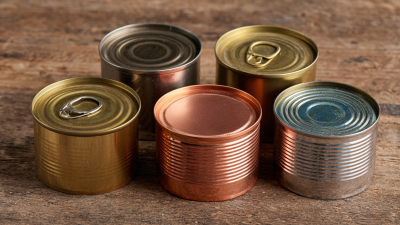
In today’s packaging landscape, the use of Food Metal Can has gained significant traction among manufacturers. A recent industry report indicates that the market for metal cans is projected to reach $30 billion by 2025. This can be attributed to their durability, recyclability, and ability to preserve the quality of food products. Notably, Sarah Johnson, a packaging industry expert, asserts, “Food Metal Cans are not just functional; they are essential for maintaining freshness.”
With consumers increasingly concerned about sustainability, Food Metal Can stands out. Unlike plastic, metal packaging is 100% recyclable. This eco-friendly attribute resonates well with environmentally conscious buyers. Additionally, metal cans provide a barrier against light and oxygen, which helps in prolonging shelf life. However, there are still challenges in the industry, such as higher initial costs compared to alternatives.
Despite these drawbacks, the advantages of Food Metal Can often outweigh the negatives. They offer a reliable solution for numerous food sectors, ranging from beverages to preserved goods. As manufacturers strive for quality and sustainability, the Food Metal Can continues to be a preferred choice. However, companies must continually assess the balance between cost and environmental impact.
Benefits of Using Food Metal Cans for Packaging
Food metal cans offer numerous advantages for packaging, making them a popular choice in the food industry. According to a recent report by Smithers Pira, the metal can market is projected to grow by 3% annually. This growth reflects a shift towards sustainable packaging solutions. Metal cans are recyclable, maintaining their quality and integrity through multiple recycling processes. This is significant, as the recycling rate for beverage cans in the U.S. stands at around 70%, substantially higher than plastic.
Moreover, food metal cans provide superior protection against external elements. They shield contents from light, air, and moisture, prolonging shelf life. Studies show that food stored in metal cans can last years without losing quality. However, it is important to consider the potential for metal leaching with certain acidic foods. This can be a concern, especially with extended storage. Manufacturers are constantly improving linings to prevent such issues, yet it remains a topic of ongoing research and discussion in the industry.
Additionally, the aesthetic appeal of metal packaging can enhance a product's marketability. Sleek designs and vibrant colors attract consumer attention. In an environment where shelf impact is crucial, metal cans stand out. However, higher production costs can limit accessibility for smaller brands. This poses a challenge in achieving balance between sustainability and economic viability. Overall, while food metal cans provide significant benefits, continuous improvements and innovations are required to address outstanding concerns.
Durability and Protection of Food Quality in Metal Cans
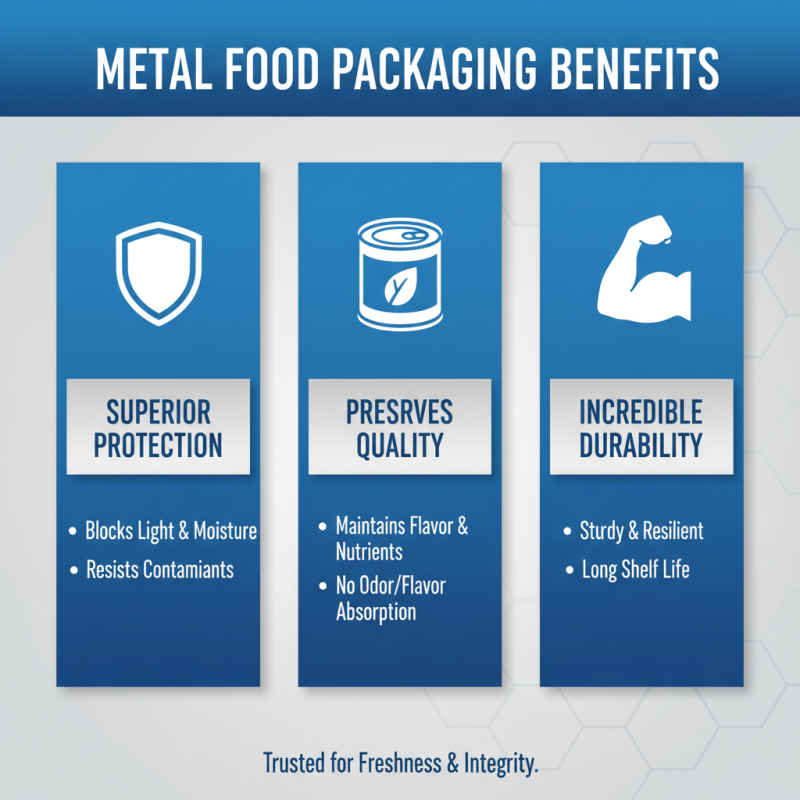
When it comes to food packaging, metal cans offer notable durability and protection. These cans are resistant to light, moisture, and contaminants. This resistance helps preserve the flavor and nutritional value of food products. Unlike plastic or glass, metal doesn’t absorb odors or flavors. This is crucial for maintaining the integrity of delicate ingredients like spices and herbs.
The airtight seal of metal cans locks in freshness. This can significantly extend shelf life, providing peace of mind to consumers. However, not all metal cans guarantee the same level of protection. Some may struggle with rust or corrosion over time. It's vital to choose options that use high-quality materials to ensure longevity.
Additionally, the recycling aspect of metal cans cannot be overlooked. While they can be recycled, not all facilities handle them properly. There's room for improvement in recycling rates. Education and initiatives can enhance these efforts, ensuring metal cans contribute positively to sustainability. Choosing the right packaging isn’t just about appealing visuals; it is about preserving quality and protecting the planet.
Environmental Impact of Metal Can Packaging
Metal can packaging offers significant environmental advantages. These cans are often made from recyclable materials, reducing waste. Unlike plastics, metal can be recycled endlessly without losing quality. This means that metal cans returned to recycling facilities can become new cans in a short time. However, the recycling process is not always efficient. Sometimes aluminum can end up in landfills instead of being reused.
Another aspect to consider is energy consumption. Although metal cans require more energy to produce than plastic, they can be reused effectively. Consumers can store food in metal cans for longer periods. This leads to reduced food waste, which is a big environmental concern. It's crucial to note that not all areas have accessible recycling programs, which limits the benefits.
Consumer awareness also plays a vital role. Many people are still unaware of the advantages of metal over other materials. Campaigns promoting metal cans could enhance sustainability and reduce pollution. Consumers must reflect on their choices and consider the long-term effects of packaging. By understanding these factors, we can all make better decisions for our planet.
Cost-Effectiveness of Metal Cans in the Food Industry
Metal cans have become a prominent choice in the food industry. They offer remarkable cost-effectiveness that manufacturers can't ignore. The initial investment in metal can production is often lower than glass or plastic alternatives. This can lead to significant savings when scaled up.
Additionally, metal cans provide excellent durability. They are less likely to break during transportation. This reduces losses and ensures the food reaches consumers intact. Many companies find that this lowers their overall operational costs. Metal cans also have a long shelf life, which means less waste for businesses. However, it's essential to consider recycling challenges. Not all consumers recycle properly, which can impact sustainability goals.
Despite these advantages, there can be drawbacks. Some may perceive metal cans as less appealing than glass packaging. Aesthetic issues can affect consumer preferences. Companies need to weigh these design considerations. Ultimately, metal cans offer affordability and functionality, but visual impact cannot be overlooked. Choosing the right packaging is crucial for brand image.
Versatility of Food Metal Cans for Various Food Products
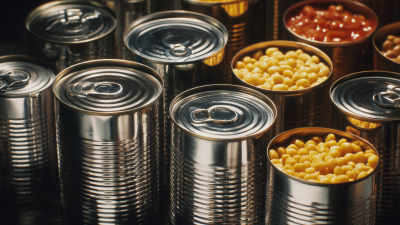
Food metal cans offer remarkable versatility for various food products. They protect food from external elements while retaining freshness. This packaging solution is ideal for liquids, solids, and even delicate items like fruits and vegetables. The durability of metal ensures that the contents remain safe during transport and storage.
These cans come in different sizes, fitting any production requirement. Small cans work well for single servings. Large cans are perfect for family-size meals. However, choosing the right size can be tricky. Misjudging demand may lead to overproduction or waste. Manufacturers must consider consumer preferences carefully.
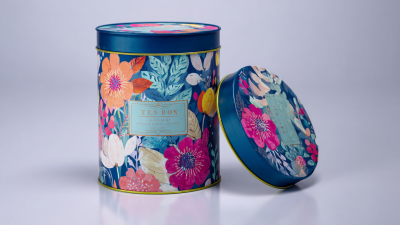
The aesthetic appeal of metal cans is another advantage. They can be easily printed with vibrant designs. Bright graphics can draw attention on store shelves. Yet, some consumers may not prefer metallic packaging. They might associate it with canned, processed foods. Balancing tradition with innovation is a challenge that requires thought.



 +8618680445103