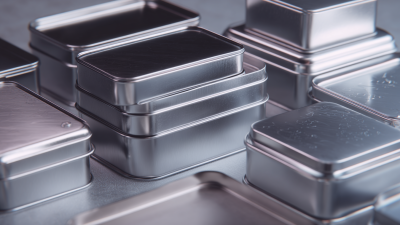
Why Choose Metal Tin Containers for Your Storage and Packaging Needs
When it comes to storage and packaging solutions, the benefits of using Metal Tin Containers are increasingly recognized across various industries. These versatile containers not only provide durability and protection for a wide range of products but also offer an appealing aesthetic that can enhance brand visibility. From food products and cosmetics to crafts and small items, Metal Tin Containers have gained popularity due to their ability to preserve freshness and maintain quality, making them an ideal choice for manufacturers and consumers alike.
Moreover, the sustainability aspect of Metal Tin Containers cannot be overlooked. Made from recyclable materials, these containers contribute to environmentally friendly packaging practices, appealing to a growing segment of eco-conscious consumers. The reusability of metallic tins adds to their charm, as they can be repurposed for various uses beyond their initial intent, promoting a greener approach to consumption and waste management.
In conclusion, the combination of functionality, visual appeal, and sustainability makes Metal Tin Containers a preferred choice for storage and packaging needs. As businesses continue to seek innovative ways to stand out and connect with their audience, the advantages of using these containers become increasingly compelling, establishing them as a staple in modern packaging solutions.
Benefits of Metal Tin Containers in Storage Solutions
Metal tin containers have emerged as a popular choice for storage solutions, thanks to their numerous benefits. One of the primary advantages is their durability; tin containers can withstand various elements without getting damaged easily, making them ideal for both indoor and outdoor use. Unlike plastic options, metal tins resist cracking and breaking, ensuring that the contents remain secure and protected over time. This strength is particularly beneficial for storing food items, cosmetics, and other sensitive products that require a reliable barrier against external factors.
Another significant benefit of metal tin containers is their recyclability. In an era where sustainability is increasingly important, choosing eco-friendly packaging solutions is essential. Metal tins can be recycled repeatedly without losing their material integrity, contributing to reduced waste in landfills. Furthermore, the aesthetic appeal of metal tins adds value to products, making them an attractive choice for businesses looking to enhance their branding. With customizable designs available, companies can easily create appealing packaging that stands out on shelves while also meeting environmental standards.
Benefits of Metal Tin Containers in Storage Solutions
Durability and Longevity of Metal Tin for Packaging
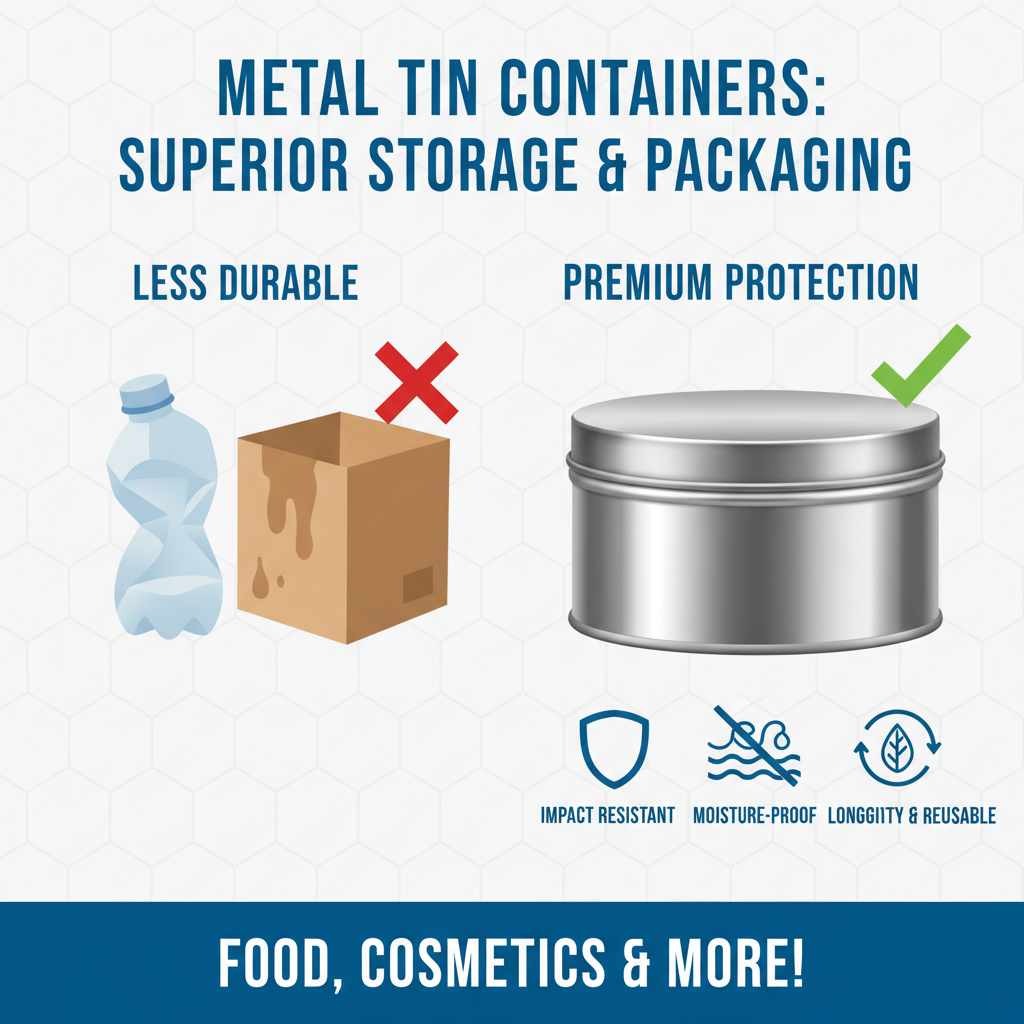
Metal tin containers have increasingly become a preferred choice for storage and packaging due to their exceptional durability and longevity. Unlike plastic or cardboard options, metal tins are resistant to impacts, moisture, and environmental factors that can compromise the integrity of the products they hold. This resilience makes them ideal for a variety of applications, from food storage to cosmetic packaging, ensuring that the contents remain protected over time.
Furthermore, the inherent longevity of metal tins contributes to sustainability efforts in packaging. Their recyclability means that they can be repurposed many times without degrading in quality, aligning with the growing consumer demand for eco-friendly options. The robust nature of tin also means that products can be stored for extended periods without the risk of spoilage or contamination, making them an economically wise choice for businesses looking to maximize shelf life and minimize waste.
As the packaging landscape continues to evolve, metal tin containers stand out as a reliable solution that meets both functional and environmental needs.
Eco-Friendly Aspects of Using Tin Containers
The growing trend towards sustainability in packaging has led many businesses to consider metal tin containers as an eco-friendly solution for their storage and packaging needs. Tin containers are recyclable and can be reprocessed multiple times without losing quality, which significantly reduces the environmental impact compared to single-use plastics. The Western Europe tinplate packaging market reflects this shift, with projections indicating growth from $68.32 million in 2025 to $93.68 million by 2032 at a CAGR of 4.61%. This increase highlights the rising demand for greener packaging options among consumers and companies alike.
In addition to their recyclability, tin containers are also made from readily available materials, further promoting sustainable practices. Their durability ensures a longer life cycle, reducing the frequency of replacements. As industries strive to meet regulatory requirements and consumer expectations for eco-friendly packaging, choosing metal tin containers not only supports environmental initiatives but also aligns with the overall market growth trends in the packaging sector. The focus on sustainability is becoming a key driver in decision-making for packaging solutions, making tin containers an ideal choice.
Why Choose Metal Tin Containers for Your Storage and Packaging Needs - Eco-Friendly Aspects of Using Tin Containers
| Feature |
Description |
Eco-Friendly Aspect |
| Recyclability |
Metal tin containers can be easily recycled and reused. |
Promotes sustainable practices by reducing waste. |
| Durability |
Tin containers are sturdy and provide excellent protection for contents. |
Long-lasting, reducing the need for frequent replacements. |
| Lightweight |
Compared to glass or heavier materials, tin containers are lighter. |
Lower transportation emissions due to light weight. |
| Food Safety |
Tin containers are safe for food storage and comply with safety regulations. |
Prevents contamination, promoting healthy consumption. |
| Aesthetic Appeal |
Available in various designs, enhancing product presentation. |
Encourages reusability as decorative storage solutions. |
Versatility of Metal Tins for Various Products
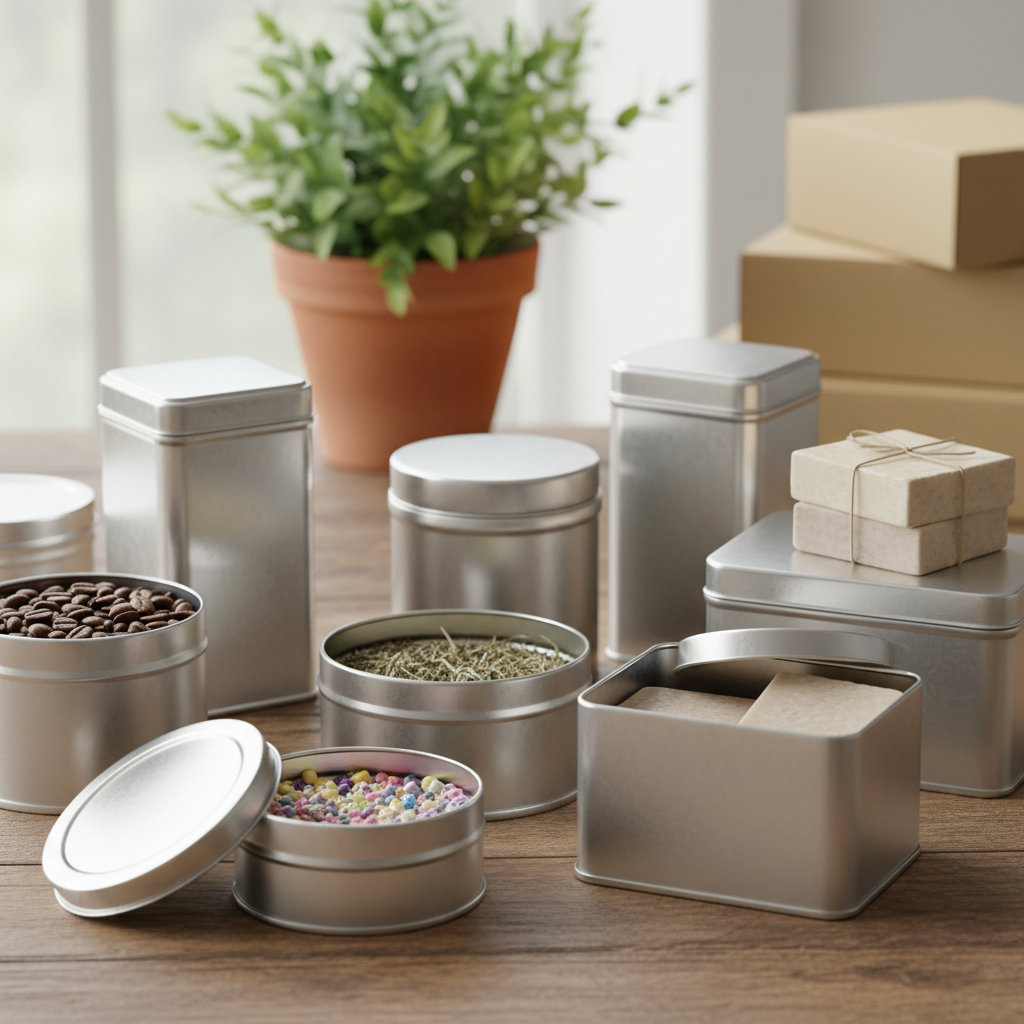
Metal tin containers are celebrated for their versatility, making them an ideal choice for various storage and packaging needs. These containers come in numerous sizes and shapes, allowing businesses to choose the perfect option for their products. Whether it's food items, cosmetics, or small tools, metal tins provide an unmatched adaptability that caters to diverse markets. Their sturdy nature ensures durability, protecting the contents from external elements and ensuring a longer shelf life.
In addition to their practical benefits, metal tins also offer aesthetic appeal. Customizable designs and finishes make them suitable for branding and promotional purposes, helping products stand out on the shelves. For example, gourmet food brands often use decorated metal tins to convey quality and tradition, enhancing the perceived value of their offerings. Similarly, cosmetics brands leverage the charming look of metal tins to attract discerning consumers. Whether for retail or personal use, the versatility of metal tins makes them a smart choice in the competitive world of packaging solutions.
Customizable Options for Branding and Aesthetics in Packaging
Customizable options for branding and aesthetics in packaging have become increasingly vital as businesses seek to stand out in a saturated market. Metal tin containers offer a unique canvas for brands to express their identity and connect with consumers. According to a report by Smithers Pira, the value of the global metal packaging market is expected to reach $145 billion by 2024, driven by the growing demand for eco-friendly and recyclable materials. This trend highlights the importance of customization in enhancing product appeal and promoting sustainability, key factors that consumers are prioritizing today.
The versatility of metal tin containers allows brands to explore various finishes, colors, and printing techniques, facilitating unique designs that resonate with target demographics. A survey conducted by Packaging Strategies showed that 67% of consumers prefer purchasing products that have distinctive packaging, directly linking aesthetics to sales performance. Furthermore, customized tin containers can serve dual purposes—functioning as both a storage solution and promotional tool, thereby increasing brand exposure. By leveraging the customization options available in metal tins, companies can create memorable packaging experiences that not only attract customers but also foster brand loyalty.



 +8618680445103