Why Choose Tin Boxes for Your Storage Needs and What Makes Them Unique
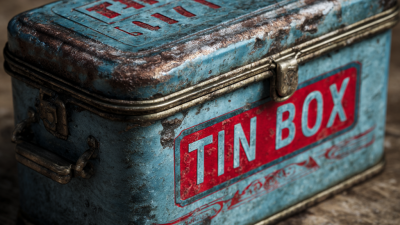
The growing shift towards sustainable packaging and storage solutions has opened up new avenues for various materials to gain prominence, and among them, tin boxes have emerged as a frontrunner. According to a report by Smithers Pira, the global tin packaging market is projected to reach approximately $20 billion by 2025, driven by its eco-friendly nature and recyclability. Tin boxes are not only durable and aesthetically pleasing, but they also offer a unique blend of protection and style, making them ideal for a variety of products, from gourmet food items to handcrafted gifts.
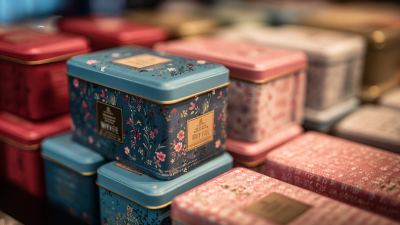
Moreover, industry analysis indicates that the demand for vintage-style and collectible tin packaging has surged, as consumers are increasingly drawn to packaging that tells a story and evokes nostalgia. This demand reflects a broader trend towards personalized and sustainable consumer products. Tin boxes, with their versatile design and ability to be reused, provide a sustainable alternative that aligns with contemporary consumer expectations for environmental responsibility. Thus, the unique qualities of tin boxes not only cater to aesthetic and functional needs but also resonate with the growing market for sustainable storage solutions.
Why Tin Boxes are an Ideal Choice for Effective Storage Solutions
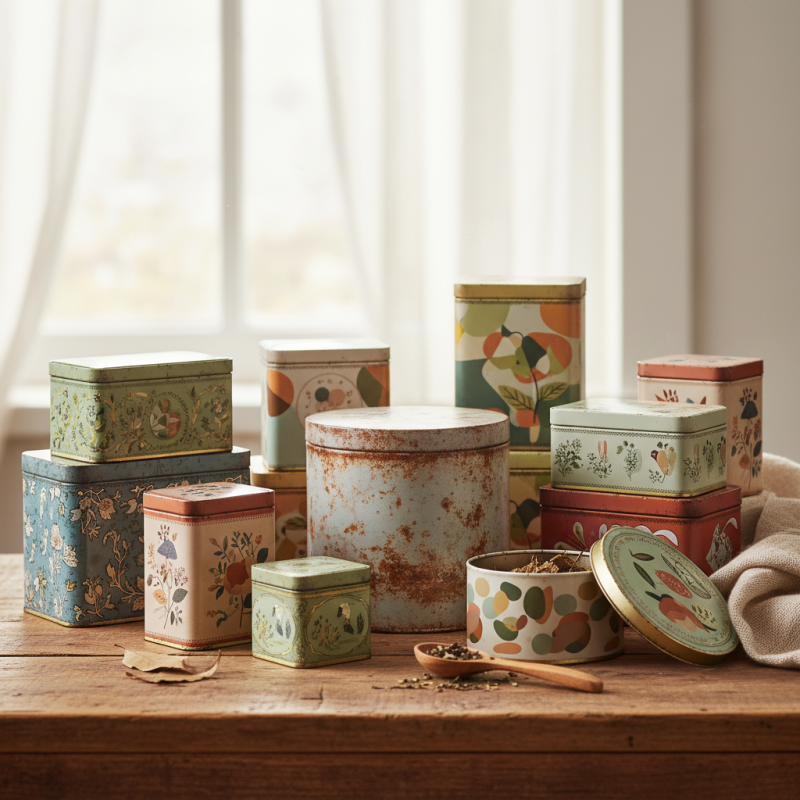
Tin boxes have emerged as a preferred storage solution due to their unique properties and versatility. According to a report by the Global Packaging Alliance, the metal packaging market, including tin boxes, is projected to grow at a CAGR of about 4.5% over the next five years. This growth is driven by the increasing demand for sustainable and recyclable materials, with tin being a standout choice, as it is 100% recyclable without loss of quality. Additionally, their durability and ability to provide airtight seals make tin boxes ideal for preserving food items, cosmetics, and various collectibles, ensuring that contents remain fresh and undamaged.
What sets tin boxes apart in the realm of effective storage solutions is their aesthetic appeal combined with functionality. Unlike other materials, tin can be easily printed on, allowing for customized designs that enhance brand visibility or personal expression. Studies have shown that consumers are more likely to purchase products packaged in visually appealing containers, with a significant 67% indicating they are influenced by a product's packaging design when making a decision. Furthermore, tin boxes are lightweight yet sturdy, making them easy to transport and stack, which maximizes both efficiency and organization in storage.
In addition to their practical advantages, tin boxes contribute to eco-friendly practices. The increasing recognition of sustainability among consumers is leading to a shift in preference towards recyclable packaging. The Sustainable Packaging Coalition reports that 72% of consumers prefer packaging made from recycled materials, underscoring the growing demand for a packaging solution that not only meets practical needs but also aligns with environmental values. As businesses and individuals alike seek effective and eco-conscious storage solutions, tin boxes are poised to remain a prominent choice in various industries.
Unique Properties of Tin: Durability, Sustainability, and Versatility
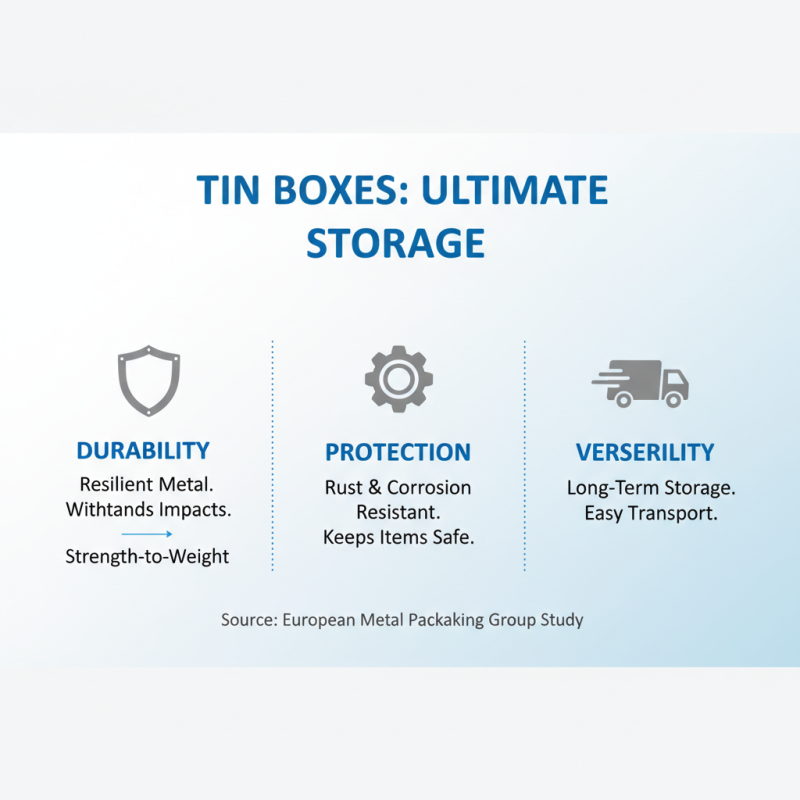
Tin boxes offer a unique blend of properties that make them an excellent choice for storage needs. One of the most notable characteristics is durability. Tin is a metal known for its resilience; it can withstand impacts and does not easily bend or break, unlike many plastic counterparts. A study by the European Metal Packaging Group highlights that tinplate has a remarkable strength-to-weight ratio, making it suitable for both long-term storage and transportation. Additionally, tin boxes are resistant to rust and corrosion, ensuring that stored items remain safe and intact over time.
Sustainability is another vital aspect of tin boxes. As a recyclable material, tin contributes significantly to reducing waste. According to the World Steel Association, steel and tin can be recycled multiple times without losing quality, promoting a circular economy. This recycling capability ensures that tin boxes have a smaller carbon footprint compared to plastic options, which are often made from non-renewable resources. Moreover, tin boxes can be used repeatedly, further enhancing their sustainability. The versatility of tin as a material allows box designs to cater to various storage needs, ranging from food items to decorative tins, making them an attractive option for environmentally conscious consumers.
Market Trends: Growing Popularity of Tin Boxes in Various Industries
The market trends show a significant rise in the popularity of tin boxes across various industries, driven by their aesthetic appeal and functional benefits. According to a report by MarketsandMarkets, the global tin packaging market is projected to grow from USD 7.4 billion in 2023 to USD 9.2 billion by 2027, reflecting a compound annual growth rate (CAGR) of 4.9%. This increase can be attributed to the growing demand for sustainable packaging solutions as more consumers and businesses prioritize eco-friendly materials. Tin boxes not only provide protection for products but also enhance shelf appeal, making them a preferred choice in sectors like food, cosmetics, and gifts.
Consumers are increasingly drawn to the uniqueness of tin boxes, which offer versatility for storage and branding. Their robust nature makes them ideal for both long-term storage and presentation, often leading companies to choose them as packaging options for premium products. Reports indicate that roughly 70% of consumers are willing to pay more for packaging that reflects quality and sustainability, highlighting the strategic advantage tin boxes provide in an increasingly competitive market.
Tips: When selecting tin boxes for storage, consider their size and design to ensure they meet your specific needs. Opt for decorative tins that can double as display pieces, enhancing your overall decor. Finally, remember to utilize tins with a secure closure to keep contents safe from moisture and light.
Comparative Analysis: Tin Boxes vs. Alternatives like Plastic and Glass
When evaluating storage options, tin boxes stand out due to their unique properties compared to alternatives like plastic and glass. A report from the Packaging Institute indicates that tin, being a metal, provides superior protection against moisture and air infiltration, which is critical for preserving food items and other perishables. Unlike plastic, which can leach chemicals over time, tin boxes are non-toxic and ensure that contents remain uncontaminated. This makes them a sustainable choice, as they can be reused and recycled, significantly reducing waste.
In a comparative analysis of durability and lifespan, tin boxes outshine glass, which, while offering an aesthetic appeal, is prone to breaking. According to research by the Materials Science and Engineering Journal, tin containers can withstand impacts and stress much better than glass. This inherent resilience not only makes tin boxes suitable for a variety of environments, from kitchens to industrial settings, but they are also lightweight and easy to transport. Furthermore, the customizable graphics on tin allow for brand differentiation and aesthetic appeal, making them an ideal choice for both personal and commercial use.
Comparative Analysis of Tin Boxes vs. Alternatives
Statistical Insights: Consumer Preferences and Environmental Impact of Tin Boxes
Tin boxes have carved out a unique niche in the storage market, greatly influenced by consumer preferences and environmental considerations. A recent report by the Environmental Protection Agency indicated that 60% of consumers express a preference for recyclable packaging. Tin boxes align perfectly with this trend, as they are 100% recyclable and offer a sustainable alternative to plastic containers. According to the American Metal Market, the global tin packaging market is projected to grow at a compound annual growth rate of 4.5% through 2025, reflecting the rising demand for eco-friendly storage solutions.
In terms of functionality, tin boxes provide a robust protection against moisture and external contaminants, an essential factor highlighting their practical appeal. A survey from the Packaging Association revealed that 72% of consumers would choose a product packaged in tin over those in non-recyclable materials. This choice not only reflects a commitment to sustainability but also showcases consumers' acknowledgement of the aesthetic value and durability tin boxes bring.
Tips: When selecting a tin box for storage, consider factors like size, lid functionality, and seal integrity to ensure your items are protected. Additionally, look for multi-functional models that can serve both as storage and decorative elements to maximize utility. Embracing tin boxes not only contributes to a cleaner environment but also enhances your storage solutions creatively.



 +8618680445103