How to Choose the Best Food Cans for Global Sourcing?
Choosing the right food cans is critical in global sourcing. As Adam Thompson, a renowned expert in the food packaging industry, once stated, "Quality in food cans directly affects product safety." This emphasizes the importance of understanding what makes a food can effective and reliable.
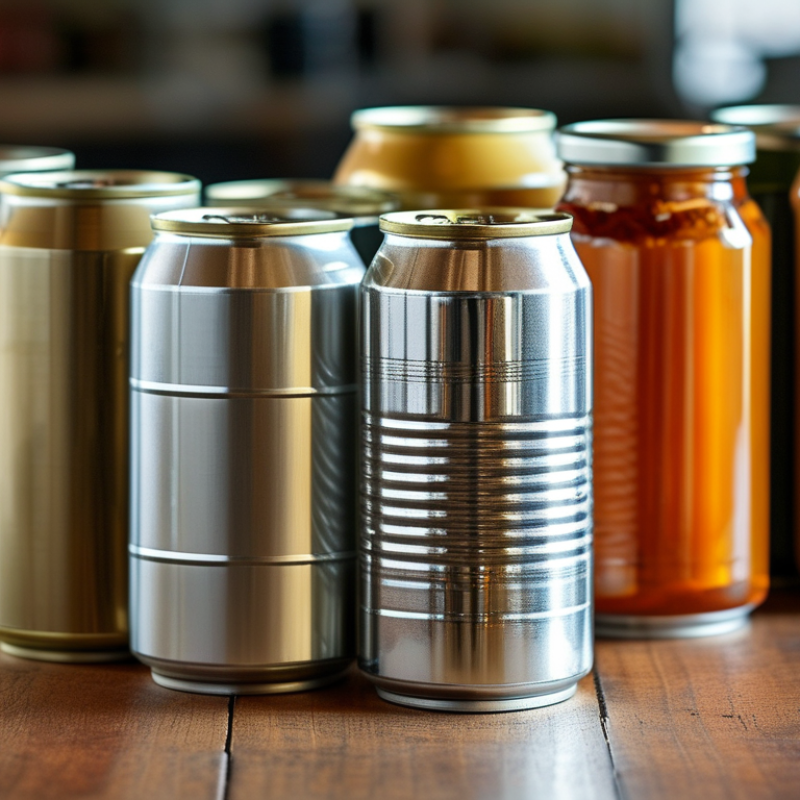
When sourcing food cans, consider factors such as material, seal integrity, and durability. Steel and aluminum are common choices, with each having distinct benefits. Steel cans are robust and recyclable, while aluminum offers lightweight convenience. It's essential to assess suppliers who prioritize these qualities.
Reflecting on industry trends reveals challenges. Not all manufacturers adhere to safety standards or best practices. This inconsistency can lead to issues in the supply chain. Organizations must be vigilant in evaluating supplier credibility. Therefore, thorough research and a focus on quality assurance are paramount in sourcing food cans globally.
Understanding Global Sourcing Needs for Food Cans in the Industry
When considering global sourcing needs for food cans, it's essential to understand various factors affecting the industry. Different regions have unique requirements that influence sourcing decisions. Quality standards, environmental regulations, and supply chain logistics can vary significantly. These factors shape the choices you face during the sourcing process.
Tips for selecting food cans: Focus on the material used. Aluminum and steel cans each offer distinct benefits. Look into the recycling protocol and durability of the materials. Assess shelf life, as it directly correlates with the type of food being packed. Collaborate with manufacturers who understand local compliance and quality control processes.
Another essential aspect is price competitiveness. While seeking cost-effective options, beware of compromises in quality. Cheap cans might lead to spoilage or product recalls, damaging your reputation. Prioritize vendor reliability over just pricing. Ultimately, the goal is to ensure that your supply chain remains robust and trustworthy, minimizing disruptions while maximizing efficiency.
Evaluating Material Types for Food Cans: Steel vs. Aluminum vs. Tin
When selecting food cans for global sourcing, the choice of material is critical. Steel, aluminum, and tin are commonly used, each with unique benefits and drawbacks. Steel is known for its durability and resistance to corrosion. According to the Steel Packaging Federation, steel cans have a recycling rate of over 70%, making them a sustainable option. This material is often chosen for products requiring long shelf lives, like canned vegetables and soups.
Aluminum cans are lightweight and recyclable. They can be easily shaped, which is advantageous for branding. However, aluminum's recycling rate is around 50%, as reported by the Aluminum Association. On the downside, aluminum can be less sturdy than steel. It may dent more easily during shipping, leading to potential product damage.
Tin cans, although often misunderstood as standalone products, are usually coated steel cans. The tin coating prevents rust, ensuring food safety. Yet, the tin plating makes them less recyclable compared to pure aluminum cans. Each choice involves trade-offs; sourcing professionals must balance sustainability, cost, and product protection. The insights suggest that understanding these materials can significantly impact sourcing decisions and long-term environmental strategies.
Material Comparison of Food Cans: Steel vs. Aluminum vs. Tin
Assessing Quality Standards and Certifications in Food Can Supply Chains
When sourcing food cans globally, quality standards are crucial. Manufacturers should comply with industry benchmarks such as ISO and HACCP. These certifications ensure safety and consistency in the production process. However, navigating these standards can be tricky.
Regular audits of suppliers can offer insight. Not all manufacturers prioritize compliance equally. Some may hold certifications but fail to uphold their standards continuously. It's vital to establish a robust verification process. This includes checking for recent inspection reports and compliance histories.
Packaging materials also play a significant role. Can integrity is essential for food safety. Cans should be free from contaminants. Yet, some suppliers might not disclose potential risks associated with packaging materials. Transparency builds trust in the supply chain, allowing for better decision-making. Exploring these elements helps businesses choose reliable food can suppliers while maintaining quality.
How to Choose the Best Food Cans for Global Sourcing? - Assessing Quality Standards and Certifications in Food Can Supply Chains
| Dimension |
Description |
Standards & Certifications |
Country of Origin |
Shelf Life (months) |
| Material Type |
Aluminum or Steel |
ISO 22000, HACCP |
USA |
24 |
| Size Options |
300ml, 400ml, 800ml |
BRC, FSSC 22000 |
Canada |
18 |
| Coating Type |
Epoxy Resins, BPA-Free |
FDA, EU Regulation |
Germany |
36 |
| End Type |
Easy Open, Pull Ring |
ISO 9001, SA8000 |
Japan |
12 |
| Recyclability |
100% Recyclable |
Environmental Certification |
Australia |
Indefinite |
Analyzing Cost Factors: The Impact of Sourcing Location on Pricing
When sourcing food cans globally, understanding cost factors is essential. The sourcing location significantly impacts pricing. For example, countries with advanced manufacturing techniques often offer competitive prices. However, logistics and transportation add another layer of cost. A low manufacturing price in one region might still lead to high overall expenses if shipping costs are excessive.
Local regulations also affect pricing. Some sourcing locations have stringent safety and quality standards. This can increase production costs but ensures reliable products. In contrast, a region with lax regulations might offer cheaper options. But the risk of inconsistent quality is high. Companies must weigh these factors carefully.
Another aspect to consider is labor costs. Regions with lower wages may seem attractive. Yet, the quality of work may vary. Poor craftsmanship can lead to production delays and quality assurance issues. It’s wise to research thoroughly and engage with local experts to avoid pitfalls. Understanding these elements will aid in making informed sourcing decisions.
Identifying Sustainable Practices in Food Can Manufacturing and Sourcing
When selecting food cans for global sourcing, evaluating sustainable practices is essential. Recent data from the Food and Drink Federation shows that over 80% of consumers prefer products using environmentally friendly packaging. This rising demand pressures manufacturers to adopt sustainable methods in food can production.
One critical aspect to consider is the material sourcing. Aluminum cans created from recycled materials reduce energy consumption by up to 95%. Meanwhile, steel cans can also be recycled infinitely, demonstrating significant sustainability potential. However, not all manufacturers prioritize these materials. Many still rely on virgin resources, which raises questions about their commitment to sustainability.
Another area to examine is the manufacturing process. Companies employing low-energy techniques and minimizing waste can significantly reduce their environmental footprint. In 2022, a report from the World Economic Forum revealed that manufacturers focused on reducing greenhouse gas emissions saw a boost in brand loyalty from consumers. Notably, transparency remains a crucial factor. Investigating a company's practices can be challenging, and some may overstate their sustainability efforts. This discrepancy demands vigilance and critical analysis from companies investing in food can sourcing.



 +8618680445103