How to Choose the Right Metal Tins for Your Needs?
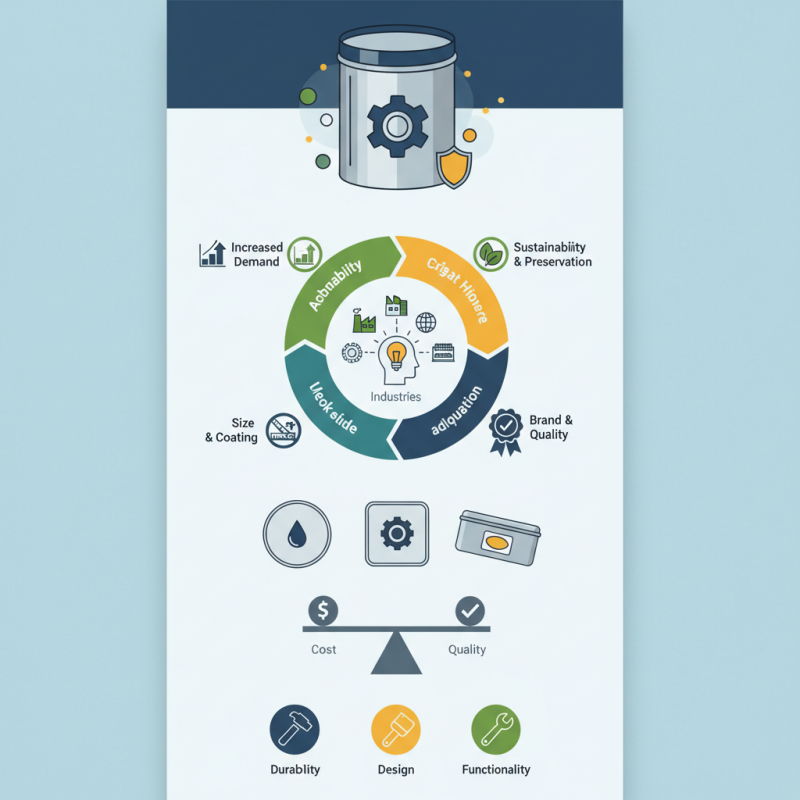
Choosing the right Metal Tins is crucial for various industries. According to the recent "Metal Packaging Market Report 2023," the demand for Metal Tins has increased by 15% over the last year. This surge is driven by a growing emphasis on sustainability and product preservation.
Industry expert Dr. Emily Roberts, a leading figure in metal packaging, states, "Selecting the appropriate Metal Tins can enhance brand image and ensure product quality." This insight highlights the importance of making informed choices. However, many businesses overlook specific details, such as tin coating and size, which can influence their operations.
Exploring various options can be overwhelming. Not every Metal Tin is suitable for every application. Some companies may prioritize cost over quality. This often leads to unsatisfactory results. Understanding durability, design, and functionality is essential in this competitive market.
Understanding Different Types of Metal Tins Available in the Market
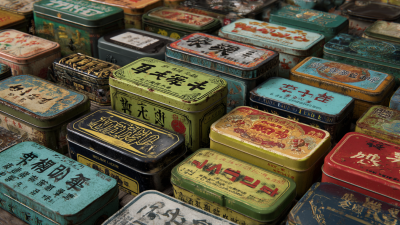
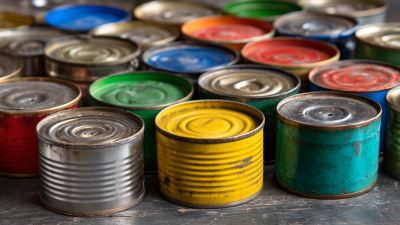
When it comes to metal tins, options abound. Understanding the available types can help you find the perfect fit. Some tins are designed for storage, while others function as packaging. Look for options that suit your specific needs.
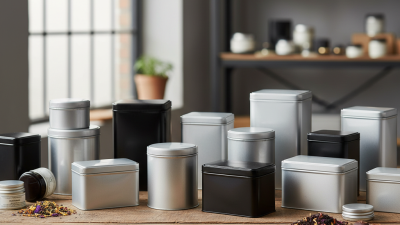
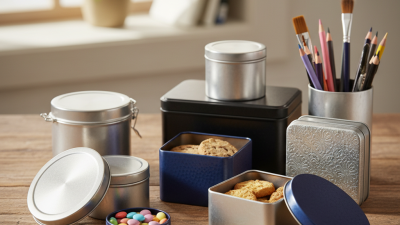
There are various styles of metal tins. Round tins are popular for food items like cookies. Square tins often hold craft supplies or small gifts. Small tins work well for mints or spices. Each type has its benefits, but also limitations. Round tins can waste space on shelves. Square tins might be harder to store in drawers.
Material quality matters too. Some tins are thin and flimsy. These may not provide adequate protection. Sturdy tins can withstand wear and tear. Think about how you’ll use the tin. Will it be moved often? Finally, consider the design. Simple, unadorned tins can be versatile. However, decorative tins may enhance the presentation. Evaluate both aesthetics and function to make the right choice.
Assessing Your Specific Storage Needs and Applications
When it comes to selecting metal tins, understanding your storage needs is crucial. Consider the size of the items you want to store. If you have small, delicate items, a compact tin will work best. For larger items, opt for spacious tins. Check the height and diameter to ensure a perfect fit. Visualize how the tins will stack and store. Will they sit on a shelf, or will they remain in a drawer?
Think about the environment too. Will the tins be exposed to moisture or temperature changes? Some metals resist rust better than others. This detail can be significant for long-term storage. A reflective finish might look appealing but could be prone to scratches. How will you label these tins? Simple adhesive labels or permanent markers can help, but they may not stick well on certain surfaces.
Also, reflect on the lid type. Screw-top lids provide an airtight seal, while slide-top options allow easy access. If you need to open and close frequently, a slide-top might be more practical. Balancing functionality with aesthetics can be tricky. A beautiful tin may not be the best for everyday use. Always ask yourself: Is this the right choice for my needs?
Evaluating Size and Shape Options for Optimal Functionality
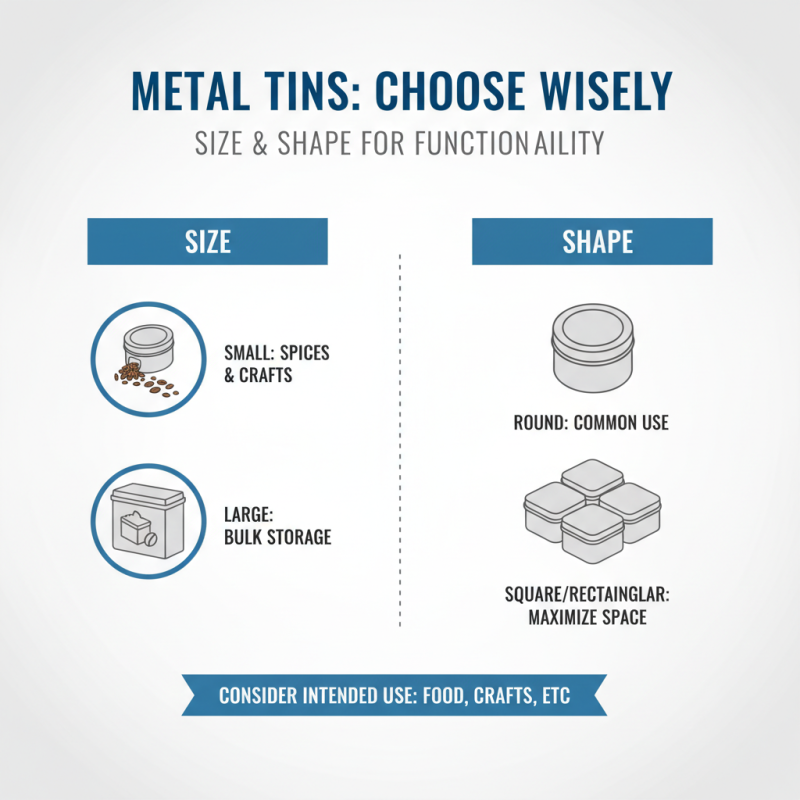
When selecting metal tins, size and shape are vital for functionality. A small tin may suit your needs for storing spices. However, larger tins are better for bulk storage. Consider the intended use carefully. Will the tin be used for crafts, food, or something else? The shape also plays a role. Round tins are common, but square or rectangular shapes can maximize storage space.
Different sizes serve different purposes. A snack tin should be easy to grab and carry. A larger tin meant for kitchen organization may not need portability. Think about dimensions. They can affect how the tin fits into your space. Evaluate if you want flat or deep tins as well. Flat tins stack well, while deep ones hold larger items.
It's also essential to reflect on available storage space. Sometimes, a tin that seems perfect may not fit your shelves or cabinets. This mismatch can lead to frustration. Always visualize the tin in its intended location. A good fit ensures efficiency and ease of access. Your selection should not just focus on aesthetics but also practicality.
Considering Material Quality and Durability of Metal Tins
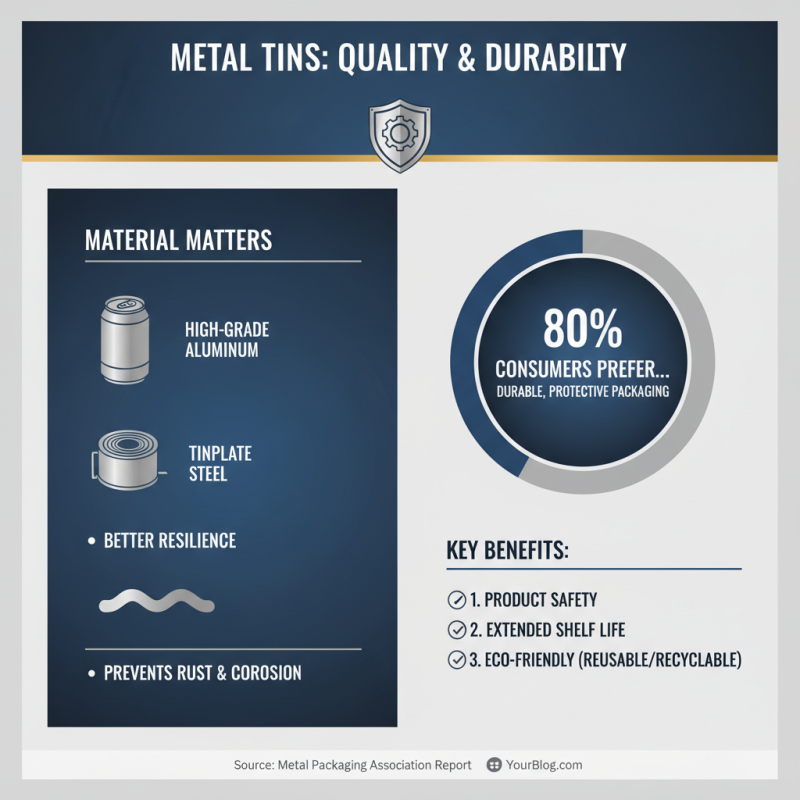
When selecting metal tins, material quality and durability are crucial. Metal tins made from high-grade aluminum or tinplate often show better resilience. According to a report by the Metal Packaging Association, about 80% of consumers prefer durable packaging that protects contents efficiently. This statistic highlights the importance of choosing materials that prevent rust and corrosion.
Aluminum tins tend to be lightweight yet robust. They resist deformation under pressure, which makes them suitable for a variety of products. A 2021 study found that aluminum is less likely to leak harmful substances, ensuring product integrity over time. On the downside, cheaper metal options may lack these protective features. This can lead to potential spoilage of the contents, making it a significant risk for businesses.
Consider the intended use of the tins. Some applications may require more durable options, while others might be less demanding. For example, craft supplies may not need the same durability as food packaging. Understanding the specific needs can help avoid overspending on high-end materials that aren't necessary for every use. Balancing cost and functionality is key.
Exploring Customization Options for Branding and Aesthetic Appeal
When it comes to custom metal tins, aesthetics and branding are vital. According to recent market studies, 70% of consumers prefer products in attractive packaging. Metal tins offer durability and a premium feel, making them ideal for various products. Customization allows businesses to stand out, but it’s important to find a balance between design and functionality.
Choosing a color scheme or artwork that resonates with your target audience is essential. Research indicates that color affects consumer perception significantly. Bright colors can attract attention, while muted tones may evoke sophistication. Consider using eco-friendly printing techniques. Some reports suggest that 58% of consumers are more likely to purchase from brands committed to sustainability.
However, not all customization decisions lead to success. Oversized logos can clutter the design. Complex designs may reduce readability, losing the essence of your brand's message. Reflecting on these potential pitfalls is crucial. Test different designs and gather feedback. A well-designed tin not only reinforces branding but also enhances user experience.
How to Choose the Right Metal Tins for Your Needs? - Exploring Customization Options for Branding and Aesthetic Appeal
| Metal Tin Type |
Capacity (ml) |
Customization Options |
Best Uses |
| Round Tins |
100-300 ml |
Print, Color, Finish |
Candles, Cosmetics |
| Square Tins |
200-500 ml |
Embossing, Printing |
Food Storage, Gifts |
| Rectangular Tins |
150-350 ml |
Print, Color |
Cookies, Tea |
| Tin Jars |
50-500 ml |
Labels, Custom Colors |
Herbs, Salts |
| Specialty Tins |
Varied |
Custom Shapes |
Promotional Items |



 +8618680445103