2026 How to Choose the Best Medicine Container for Your Needs?
Choosing the right medicine container is essential for maintaining health and safety. A suitable container helps ensure that medications remain effective and secure. Different types of medicine containers are available, each designed for specific needs.
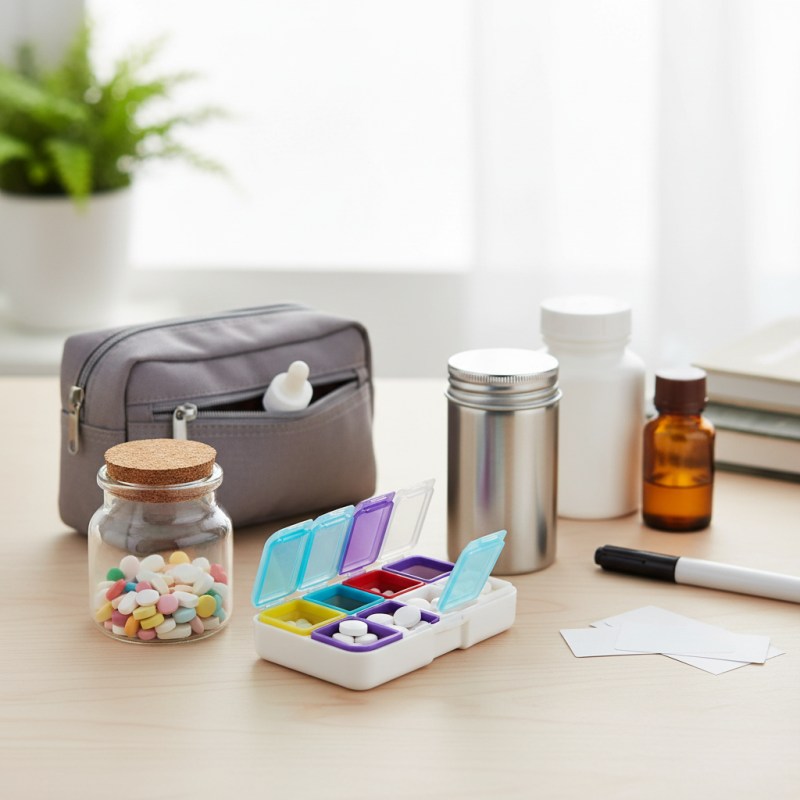
When considering a medicine container, think about its purpose. Is it for daily medications or for emergency use? Some containers have child-proof features, while others focus on portability. The material of the container is also crucial. Plastic can be lightweight, but glass offers a sturdier option.
Do not overlook the importance of labeling. A well-labeled container can prevent confusion and medication errors. However, relying solely on labels could lead to oversight. Regularly reviewing your container's contents is necessary to avoid expired medications. Ultimately, the right medicine container should reflect your personal needs and lifestyle choices.
Factors to Consider When Selecting a Medicine Container for Safety
When selecting a medicine container, safety should be your top priority. A study by the World Health Organization showed that improper medication storage can lead to accidental ingestions. It's critical to choose a container that is child-resistant and tamper-evident. In fact, 62% of household poisonings are linked to medications not stored securely.
The materials used in the container matter too. BPA-free plastics are recommended as they do not leach harmful chemicals. Glass containers are also an option. They are durable and often more environmentally friendly. When it comes to dosage, consider containers with built-in compartments or clear labeling. This reduces the risk of mix-ups.
Think about the size and portability of the container. An oversized container might be cumbersome to carry around. But one that's too small may not hold your needs. Aim for a balance. Regularly check your medicine containers for expiration dates. Often, we forget to discard outdated medications. This practice promotes safety and ensures effectiveness.
Ultimately, making informed choices is crucial when selecting a medicine container for your specific needs.
Types of Medicine Containers: Pros and Cons for Different Medications
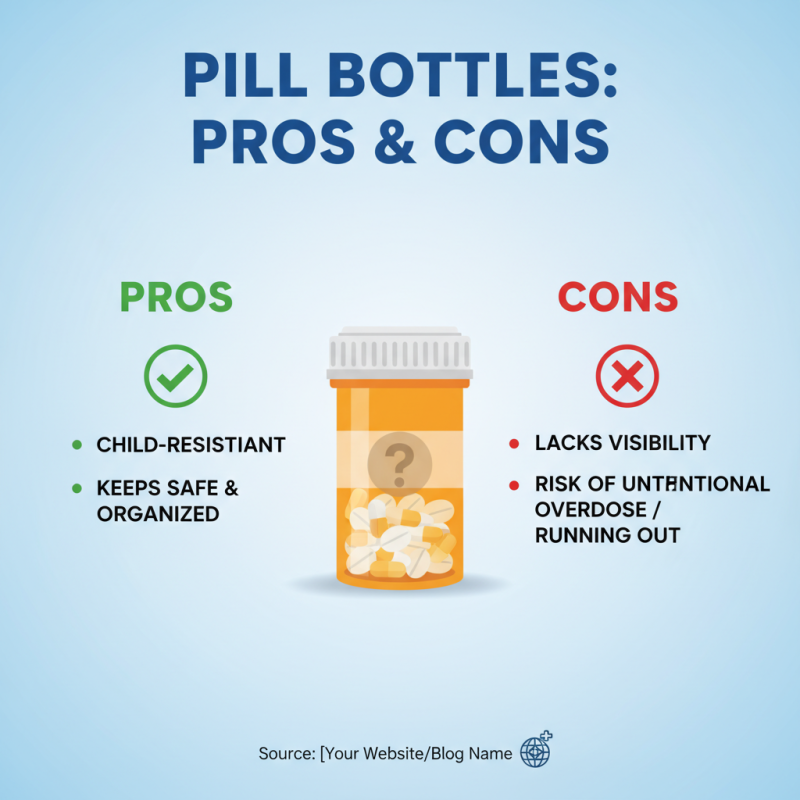
When selecting a medicine container, understanding the types available is crucial. Pill bottles are common for traditional medications. They are child-resistant but can be easily opened by adults. Tablets and capsules fit well in these bottles, keeping them safe and organized. However, they lack visibility. It's hard to see how many pills remain inside. This can lead to unintentional overdoses or running out unexpectedly.
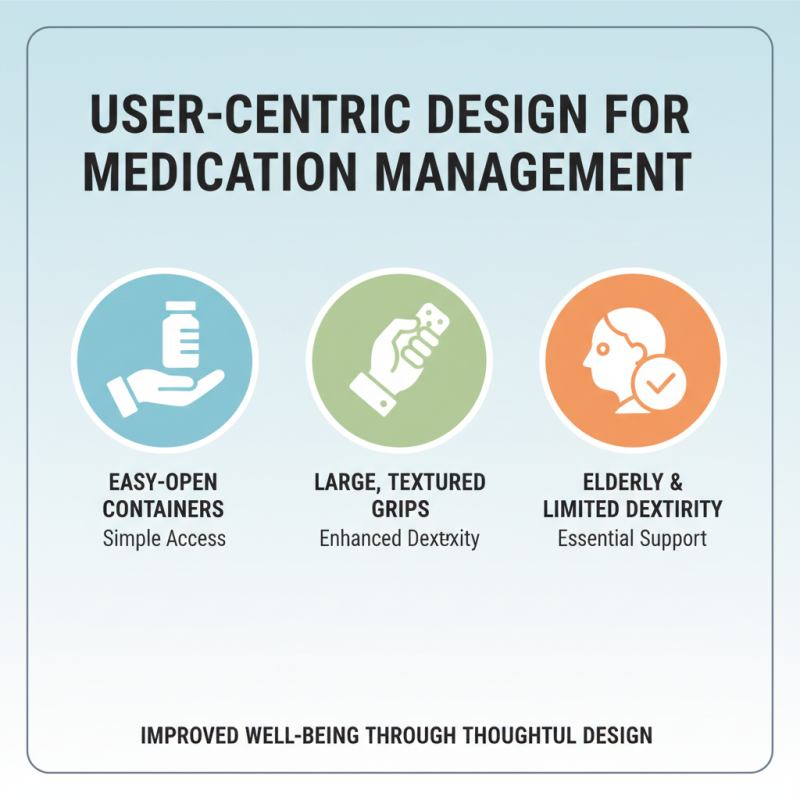
Blister packs are another option. They protect individual doses and are great for patient adherence. Users pop out only what they need, reducing the risk of missing medications. Yet, they can be cumbersome for those with limited dexterity. Additionally, once opened, blister packs expose the remaining pills to air, potentially decreasing their potency.
Liquid medication containers provide an alternative for those who struggle with swallowing pills. These usually come with measuring devices to ensure correct dosages. However, liquids can spoil or require refrigeration, which may not be convenient. Storing them safely is essential to prevent accidents, especially in households with children. Choosing the right container requires evaluating individual needs and potential risks associated with each type.
Regulatory Standards and Compliance in Medicine Container Selection
In selecting a medicine container, understanding regulatory standards is crucial. Various organizations, such as the FDA and EMA, set strict guidelines to ensure safety. For example, containers must be made from materials that do not interact with the medication. According to a report by the World Health Organization, nearly 20% of medicine spoilage is due to inadequate packaging. Compliance prevents issues that could endanger patient health.
Containers must also meet specific labeling requirements. Clarity in instructions is essential for safe use, which includes dosage and storage information. Studies show that poor labeling can lead to medication errors in about 30% of prescriptions. Therefore, manufacturers must prioritize compliance with these regulations.
Addressing environmental impact is another area needing reflection. Many containers are single-use and contribute to pollution. It is important for companies to balance regulatory compliance with sustainable practices. A report from the Environmental Protection Agency indicates that packaging waste has grown by 12% in recent years. As awareness grows, industry standards may change, encouraging innovation in sustainable packaging solutions.
Comparison of Medicine Container Types by Volume Capacity
Impact of Material Choices on Medicine Container Effectiveness
Choosing the right material for medicine containers significantly impacts their effectiveness. Research shows that certain materials provide better protection against moisture, light, and air, which can deteriorate medications. For instance, high-density polyethylene (HDPE) is known for its chemical resistance, while glass offers excellent impermeability.
Thermoplastic elastomers (TPE) bend easily under pressure, making them suitable for squeeze bottles. However, their durability can be questioned. In contrast, polypropylene is cost-effective but may lack the barrier properties needed for sensitive compounds. This makes choosing the right material crucial.
A 2021 industry report noted that over 30% of medications lose potency due to improper storage. This highlights the need for containers that effectively shield against external factors. Understanding the pros and cons of each material can prevent patient safety issues and improve medication adherence.
2026 How to Choose the Best Medicine Container for Your Needs? - Impact of Material Choices on Medicine Container Effectiveness
| Material |
Durability |
Chemical Resistance |
Cost |
Eco-Friendliness |
| Plastic |
Moderate |
Low |
Low |
Moderate |
| Glass |
High |
High |
Moderate |
High |
| Metal |
Very High |
Moderate |
High |
Low |
| Biodegradable Plastics |
Moderate |
Low |
Moderate |
Very High |
| Ceramics |
High |
High |
High |
Moderate |



 +8618680445103