How to Choose the Best Metal Containers for Storage?
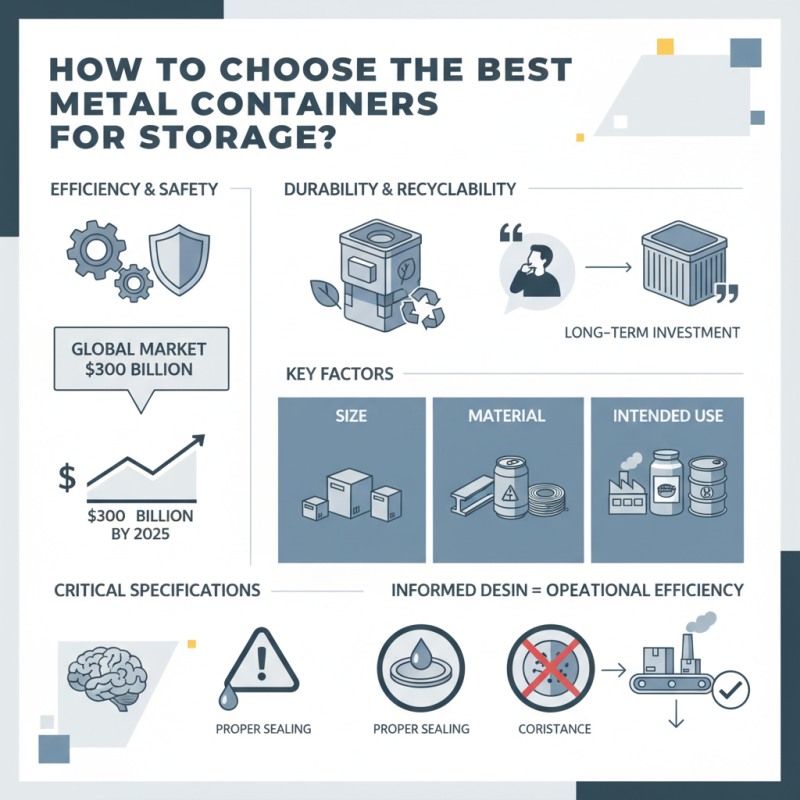
Choosing the best Metal Containers for storage is crucial for efficiency and safety. According to industry data from the Metal Packaging Association, the global market for metal containers is projected to reach $300 billion by 2025. These containers are favored for their durability and recyclability, making them an eco-friendly choice.
Expert Andrew Steel, a renowned authority in the field, once said, "Metal Containers are not just storage solutions; they are a long-term investment." This highlights the importance of selecting the right type. Various factors, such as size, material, and intended use, come into play. Yet, despite the abundance of options, many still overlook critical specifications.
Consideration of proper sealing and corrosion resistance is essential. A common mistake is ignoring these details, leading to product spoilage or waste. As industries evolve, so do the requirements for Metal Containers. It’s vital to reflect on individual storage needs. Making an informed decision can significantly impact operational efficiency.
Understanding Different Types of Metal Containers for Storage
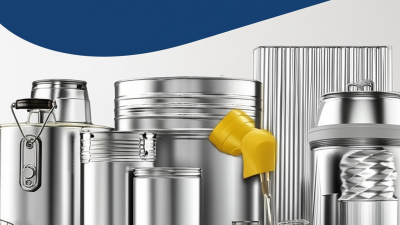
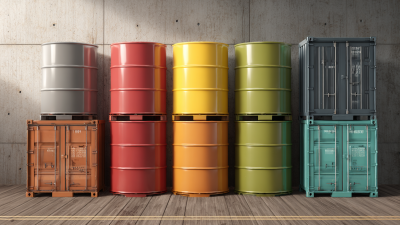
When choosing metal containers for storage, understanding the different types available is crucial. Metal containers come in various forms, including steel, aluminum, and stainless steel. Each type has unique characteristics that affect durability and suitability for specific storage needs. For example, stainless steel is highly resistant to corrosion, making it ideal for food storage or chemicals. In contrast, galvanized steel is known for its affordability but is less resistant to rust. According to a recent industry report, the demand for metal storage containers is increasing by 4.2% annually, driven by their longevity and recyclability.
Tips: Consider the weight of the container. Heavier materials might provide more durability but can be cumbersome. Assess your specific storage needs. Do you require airtight seals? Some metal containers offer this feature, which is essential for preserving contents.
Another important aspect is the container size. Larger containers are great for bulk items but may be harder to handle. Smaller containers may be easier to manage but require more organization. A recent study indicated that consumers often struggle with finding the right balance. This can lead to dissatisfaction with storage solutions.
Tips: Think about your storage space. Ensure containers fit well and align with your needs. It’s worth reflecting on whether you really need a specific type of container for certain materials. Sometimes, you might need a mix of container types to fully optimize your storage efficiency.
Metal Containers for Storage: Types and Their Usage
Assessing Durability and Strength for Long-Term Storage Solutions
When selecting metal containers for storage, durability and strength are vital.
Thickness and material type greatly influence these factors.
Stainless steel, for example, resists rust and corrosion.
Meanwhile, aluminum is lightweight but may not withstand heavy loads as well.
Consider the environment too. Will the containers face extreme temperatures or humidity?
These conditions can affect longevity.
Check the design as well. Seamless containers offer better strength than those with welds.
Watch for sharp edges that could pose risks.
Storage containers should also have secure lids or closures.
A poor seal can lead to contamination.
Sometimes, what looks sturdy might not hold up over time.
Assessing these details can help make more informed choices.
Remember, the right container can save time in the long run.
Yet, even the best containers may not be perfect.
Regular checks and maintenance are essential to ensure they remain functional.
Understand that each option has potential downsides.
Being aware of these can lead to better storage solutions overall.
Evaluating Size and Capacity: Choosing the Right Dimensions
When selecting metal containers for storage, size and capacity are crucial factors. Begin by assessing the space available for storage. Measure the height, width, and depth of your storage area. Knowing these dimensions helps you visualize the containers that will fit. Additionally, consider the contents you plan to store. Will you need small containers for tools or larger bins for bulk items? Keeping items organized and easily accessible is vital.
Think about what you’ll store in each container. Some items, like food or liquids, may require specific dimensions. They need to fit securely without spilling. On the other hand, tools and hardware might allow for a wider range of sizes. Keep in mind that larger containers can sometimes be harder to handle. It’s a balancing act: find the right size that suits your needs but doesn't impede usability.
Reflect on how often you access these containers. Frequent use might suggest smaller sizes for better handling. However, if these containers will be stored out of reach, larger sizes could serve you better. It’s important to tailor the container choice to your habits and needs. Remember, the best container size offers a blend of practicality and functionality.
Analyzing Price vs. Quality: Finding the Best Value in Metal Containers
When choosing metal containers for storage, it's crucial to analyze price and quality. High-quality containers might seem expensive at first glance. However, they often offer better durability and longevity. Investing in stronger materials can save money in the long run.
Consider the weight of the container. Heavier options tend to resist wear and tear more effectively. Lightweight containers may present initial cost savings, but they may warp or dent over time. Look for features such as airtight seals or rust-proof coatings. These can enhance your storage experiences.
Let’s reflect on the balance between cost and value. A cheap metal container might not stand the test of time. You may end up spending more to replace it. Take time to compare product reviews and warranty options. This helps ensure you make an informed decision. Sometimes, spending a bit more now leads to significant savings later.
How to Choose the Best Metal Containers for Storage? - Analyzing Price vs. Quality: Finding the Best Value in Metal Containers
| Container Type |
Material |
Capacity (Liters) |
Price ($) |
Quality Rating (1-5) |
Best Use Case |
| Storage Bin |
Stainless Steel |
50 |
45 |
4 |
Indoor Storage |
| Food Canister |
Aluminum |
20 |
30 |
5 |
Kitchen Use |
| Utility Container |
Metal Alloy |
75 |
50 |
3 |
Garage Storage |
| Beverage Cooler |
Stainless Steel |
60 |
80 |
4 |
Outdoor Events |
| Tool Box |
Steel |
35 |
25 |
4 |
Tool Storage |
Considering Rust Resistance and Maintenance Requirements for Longevity
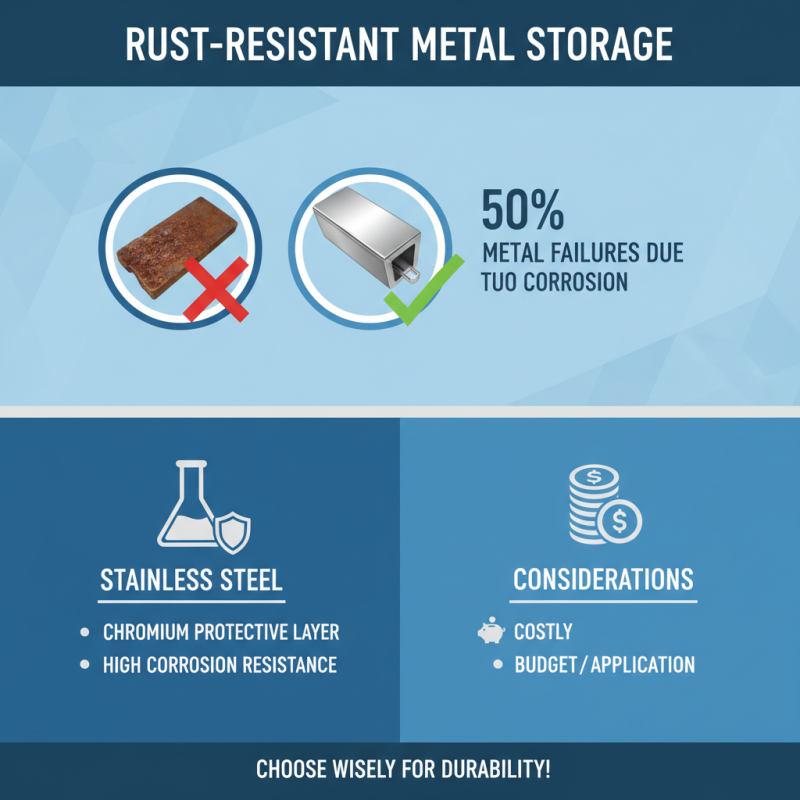
When selecting metal containers for storage, rust resistance is key. According to a study by the International Institute of Corrosion, approximately 50% of metal failures are due to corrosion. Therefore, choosing the right material is crucial. Stainless steel is often recommended. It contains chromium, which forms a protective layer against rust. However, it can be costly and may not be suitable for all budgets.
Maintenance requirements also play a significant role in the longevity of metal containers. Regular cleaning can prevent rust formation. A survey from the Metal Containers Association revealed that 30% of users neglect maintenance, leading to decreased lifespan. Simple steps like rinsing and drying containers after use can extend their life significantly. The ideal frequency for maintenance is often bi-weekly, yet many wait months.
Visualize a container rusting away due to neglect. It's disheartening and costly too. Selecting a durable finish can be beneficial. Powder coating, for instance, provides extra protection against moisture. However, not all finishes are equal, and poor quality options may deteriorate quickly. It's essential to read reviews and possibly test small batches before committing.



 +8618680445103