Essential Tips for Recycling Metal Cans Effectively and Sustainably
Recycling metal cans is an essential practice that not only conserves natural resources but also reduces waste in our landfills. Metal cans, commonly used for packaging beverages and food products, are made primarily from aluminum and steel, both of which are highly recyclable materials. As environmental concerns escalate, it becomes crucial for individuals and communities to adopt effective and sustainable recycling methods for these metal containers.
In this guide, we will explore the best practices for recycling metal cans, providing you with insightful tips to ensure you are participating in this vital process responsibly. From understanding the importance of rinsing and sorting to recognizing local recycling regulations, the following sections will equip you with the knowledge needed to make a positive impact on the environment. By recycling metal cans properly, we can contribute to a circular economy, where materials are reused and repurposed, ultimately leading to a healthier planet for future generations.
Understanding the Importance of Recycling Metal Cans in Sustainability Efforts
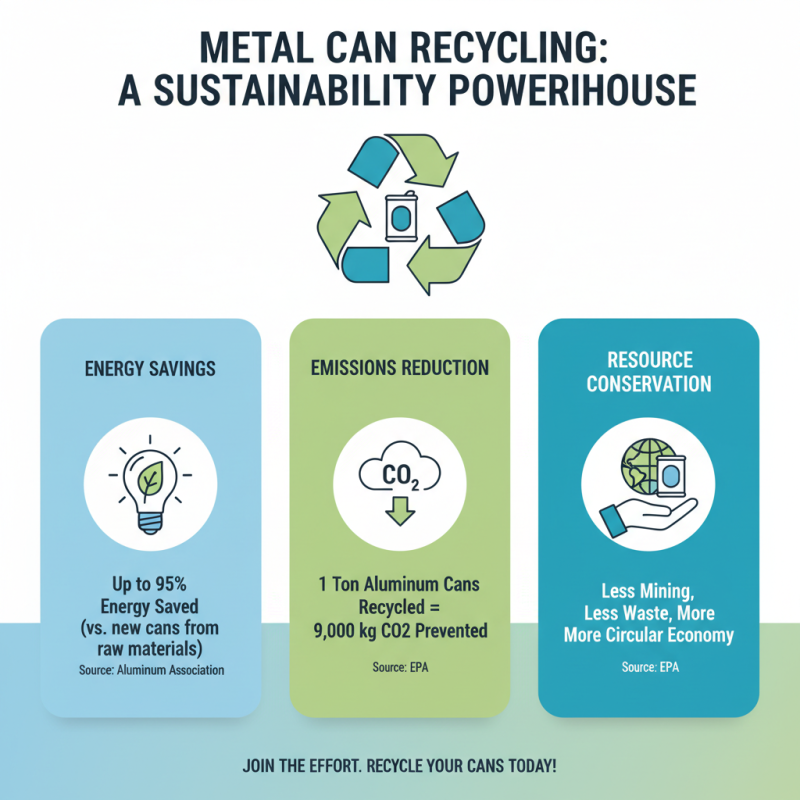
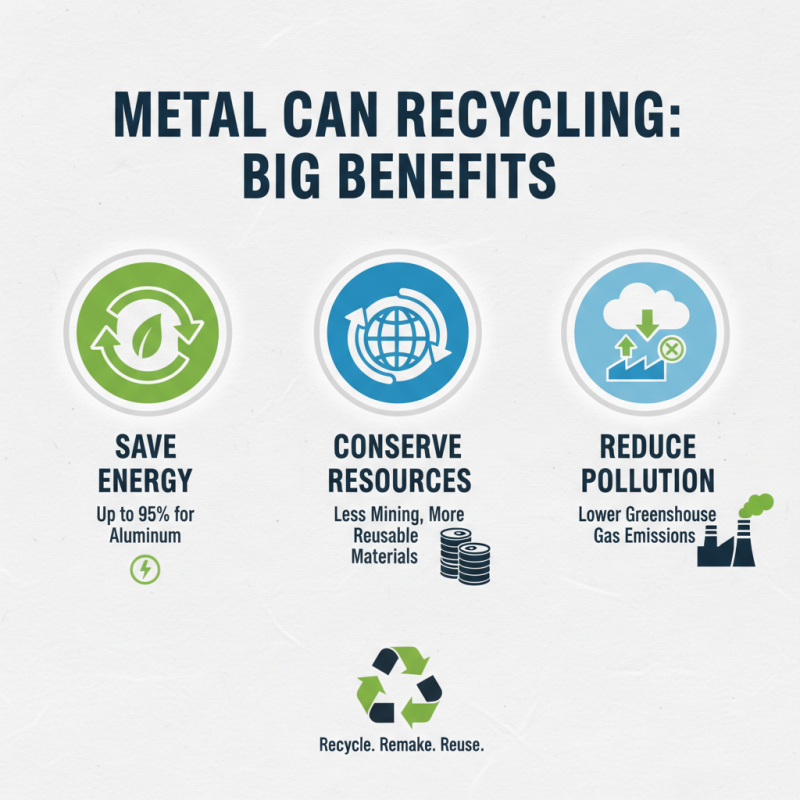
Recycling metal cans plays a crucial role in sustainability efforts, contributing significantly to resource conservation and waste reduction. According to the Aluminum Association, recycling aluminum cans saves up to 95% of the energy needed to produce new cans from raw materials. This energy savings translates to a reduction in greenhouse gas emissions, making it an essential aspect of environmental stewardship. In fact, a recent report by the Environmental Protection Agency (EPA) highlighted that recycling one ton of aluminum cans prevents the emission of approximately 9,000 kilograms of carbon dioxide, reaffirming the importance of metal can recycling in combating climate change.
To recycle metal cans effectively, it’s essential to follow a few key tips. First, ensure that cans are clean and free of residue before placing them in recycling bins. Contaminated cans can hamper the recycling process and lead to a lower quality of recycled materials. Second, check the local recycling guidelines, as they can vary significantly by region. Some areas have single-stream recycling, while others require products to be sorted. Lastly, consider reducing your metal can consumption by opting for bulk purchasing and utilizing reusable containers. This not only minimizes waste but also supports sustainable practices within your community.
Key Benefits of Recycling Metal Cans: Energy Conservation and Resource Savings
Recycling metal cans offers significant benefits, primarily through energy conservation and resource savings. When metal cans are recycled, they can be processed and reused to create new products, often requiring only a fraction of the energy needed to produce aluminum or steel from raw materials. For instance, recycling aluminum saves up to 95% of the energy compared to producing aluminum from bauxite ore. Lower energy consumption directly correlates with reduced greenhouse gas emissions, making recycling an essential practice for promoting environmental sustainability.
Additionally, the recycling of metal cans helps conserve finite natural resources. By reusing existing materials, we decrease the demand for mining and extracting new metals, which not only preserves ecosystems but also minimizes habitat destruction and pollution associated with these activities. Furthermore, recycling supports a circular economy, where materials are kept in use for as long as possible, continually repurposed and reintroduced into the supply chain. This sustainable approach not only conserves resources but also fosters economic growth through job creation in the recycling industry.
Identifying and Sorting Metal Cans: Best Practices for Optimal Recycling
When it comes to recycling metal cans, proper identification and sorting are crucial for maximizing efficiency and sustainability. Start by familiarizing yourself with the types of metal cans commonly used, such as aluminum beverage cans and steel food cans. Check for the recycling symbols and any markings that indicate the type of metal, as this makes the sorting process easier. Always rinse out any residue before recycling, as contaminants can spoil entire batches of recyclables.
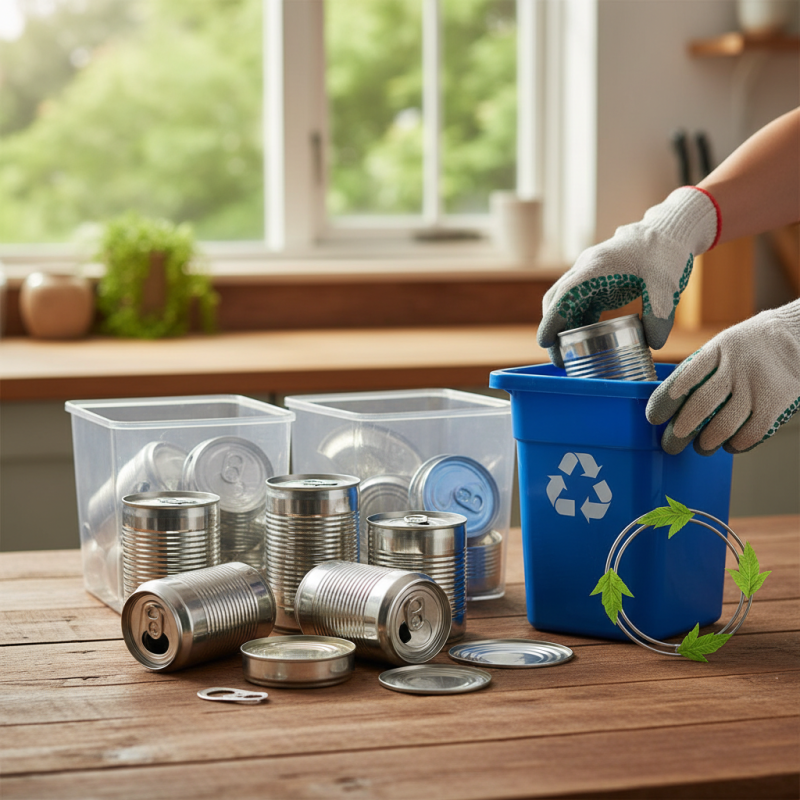
**Tips:** To optimize your recycling efforts, consider creating a dedicated space at home for collecting metal cans. This could be a separate bin labeled for aluminum and another for steel cans. This simple organization system helps streamline your recycling routine and reduces the chance of mixing different materials, which can complicate the recycling process.
When curbside recycling services come into play, ensure you are aware of your local guidelines regarding metal cans. Some municipalities may have specific requirements for how to prepare cans, such as removing labels or flattening them. Following these best practices not only aids in effective recycling but also contributes to a more sustainable environment by ensuring that valuable materials are reused rather than ending up in landfills.
The Recycling Process: How Metal Cans Are Reprocessed and Reused
The recycling process for metal cans is a critical component of sustainable waste management. When metal cans are collected, they are transported to recycling facilities where they undergo several stages of reprocessing.
First, the cans are sorted to remove contaminants such as plastic and paper. This ensures that the metal being recycled is pure, which is essential for high-quality reprocessed materials.
According to the Aluminum Association, recycling aluminum conserves 90% of the energy required to produce new aluminum from raw materials, illustrating the significant environmental benefits of recycling.
Once sorted, the metal cans are crushed and processed into bales, which are then sent to smelting facilities. Here, they are melted down and purified, allowing them to be cast into new shapes. This recycled metal can be used to produce new cans, automotive parts, and even construction materials.
The entire process is remarkably efficient; for instance, the Institute of Scrap Recycling Industries reports that recycling one ton of metal cans saves more than 2,000 pounds of bauxite ore, which is a primary source for aluminum production.
To recycle metal cans effectively, here are a couple of essential tips:
First, always rinse out your cans to remove food residue, as contamination can hinder the recycling process.
Second, check with your local recycling program to understand specific guidelines, as some areas require that metal cans are flattened, while others may prefer them intact.
By following these simple tips, you can contribute to a more sustainable recycling system that benefits the environment.
Statistics on Metal Can Recycling Rates and Their Impact on the Environment
Recycling metal cans is a vital part of waste management, and the statistics surrounding their recycling rates highlight the importance of this practice. According to recent data, the recycling rate for aluminum cans in the U.S. hovers around 50%. This means that a significant portion of these materials ends up in landfills instead of being processed and reused. The environmental impact is profound; for each ton of aluminum recycled, energy savings equivalent to powering a home for nearly two months can be achieved. Moreover, recycling metal cans reduces greenhouse gas emissions, contributing to a healthier planet.
To enhance your recycling efforts, consider these essential tips. First, always rinse your metal cans before placing them in the recycling bin. Residual food waste can contaminate the recycling stream, reducing the efficiency of the process. Additionally, flattening aluminum cans not only saves space in your recycling bin but also allows for more cans to be transported efficiently. Lastly, check local guidelines to ensure you're following the correct procedures for recycling in your area, as regulations can vary significantly by location.
Highlighting the significance of responsible recycling practices is crucial in the fight against climate change. By improving our recycling habits, we not only boost the recycling rates of metal cans but also play an essential role in caring for our environment. Adopting these small yet impactful actions can lead to substantial environmental benefits.
Recycling Rates of Metal Cans Over the Years
Metal can recycling rates have steadily increased over the years, reaching an impressive 70.7% in 2020. This upward trend reflects the growing importance of recycling in reducing environmental impact and promoting sustainability.



 +8618680445103