Food Metal Can Tips for Safe and Efficient Usage?
Food Metal Can storage plays a vital role in our kitchens. Using these cans properly ensures safety and efficiency. However, many overlook simple tips that can enhance their usage.
Understanding how to handle Food Metal Can is essential. Did you know that not all cans are created equal? Some may rust or deteriorate over time. It's crucial to check for dents or leaks before use. A damaged can could spoil your food.
When utilizing Food Metal Can, remember to store them in cool, dry places. This prevents bacterial growth. Regularly clean the can tops and your hands before opening. Neglecting these practices might lead to foodborne illnesses. Taking these precautions can help maintain safety in your kitchen while maximizing the efficiency of your food storage.
Proper Storage Techniques for Food in Metal Cans
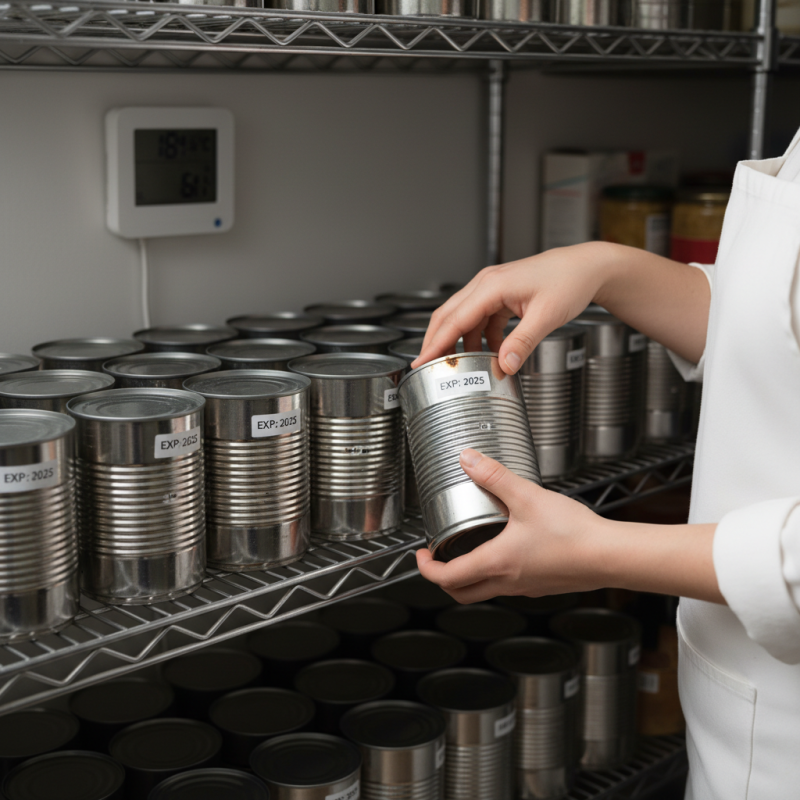
Proper storage techniques for food in metal cans are crucial for maintaining freshness and safety. Keep cans in a cool, dry place. Heat and moisture can cause the metal to corrode. Check for rust or dents before use; these can be signs of spoilage. Pay attention to the expiration dates as well. Using expired cans can lead to foodborne illnesses.
After opening, transfer any leftover food to a glass or plastic container. Storing food back in the can may not be safe. Metal can react with the food, affecting the taste. Seal the new container tightly. Store it in the refrigerator and consume the contents within a few days. Always keep track of what you have stored and avoid waste.
Consider your storage habits. Are you opening more cans than you can consume? This can lead to unnecessary spoilage. It might be better to buy smaller quantities. Reflect on your usage patterns. Efficient storage not only saves food but also saves money. Keep your pantry organized to avoid forgetting about older cans.
Best Practices for Opening Metal Cans Safely
Opening metal cans can sometimes be tricky. Using the right technique makes a big difference. Start by choosing a stable surface for your can. This can prevent slips. Place the can on a non-slippery mat or a countertop. Make sure the area is clear of clutter.
When using a can opener, apply firm pressure. This ensures a clean cut. A dull opener can lead to jagged edges. If your can opener struggles, check the blade. Sometimes a quick clean can make it effective again. Look for a safety can opener. These tools reduce sharp edges, making it safer to handle.
After opening, be cautious of the lid. It can remain attached but still pose a danger. Always use a utensil to push the lid back. Avoid using your fingers directly. If there are small pieces, use a magnet to pick them up. If you manage to spill, wipe immediately. Safety first should always be your mantra. It's easy to forget this when rushing to enjoy your food.
Food Metal Can Usage Safety Tips
How to Avoid Contamination When Using Metal Cans
When using metal cans, food safety is often overlooked. Contamination can occur if cans are not handled properly. A study from the Food Safety Inspection Service found that over 70% of foodborne illnesses are linked to improper handling of food products.
To avoid contamination, always inspect cans before use. Look for dents, rust, or bulging, which can indicate spoilage. If the can is compromised, dispose of it. Additionally, cleaning the top of the can with soap and water is crucial. Studies suggest that washing the can before opening can reduce bacterial contamination by nearly 90%.
Once opened, use the contents promptly. Leaving food in an opened can can lead to leaching from the metal. This can affect taste and safety. Transfer leftovers to a clean glass or plastic container for storage. This simple step can help maintain food quality and prevent potential toxins from developing. It's easy to overlook these practices, but they are vital for safe consumption.
Signs of Degradation in Metal Cans and Disposal Tips
When using metal food cans, it's crucial to recognize signs of degradation.
Rust or corrosion on cans can compromise food safety. A report from the FDA indicates that damaged can linings may allow harmful chemicals to leach into food.
This can pose health risks, especially with long-term exposure.
Always inspect cans before purchasing and consuming.
If you notice bulging lids or dents, it’s best to discard those cans.
These imperfections can indicate internal gas build-up, which may lead to food spoilage. The USDA advises checking the expiration dates, too.
Consuming expired canned food can lead to foodborne illnesses. Be mindful of what you keep in your pantry.
Tip: Store cans in a cool, dry place. Avoid areas with humidity.
Humid environments increase the chances of rust. Also, make sure to recycle old or unwanted cans properly.
Many local programs have specific guidelines. This reduces waste and promotes sustainability.
Prioritize safety and efficiency when using metal cans to ensure healthy eating.
Recycling Metal Cans: Guidelines and Benefits
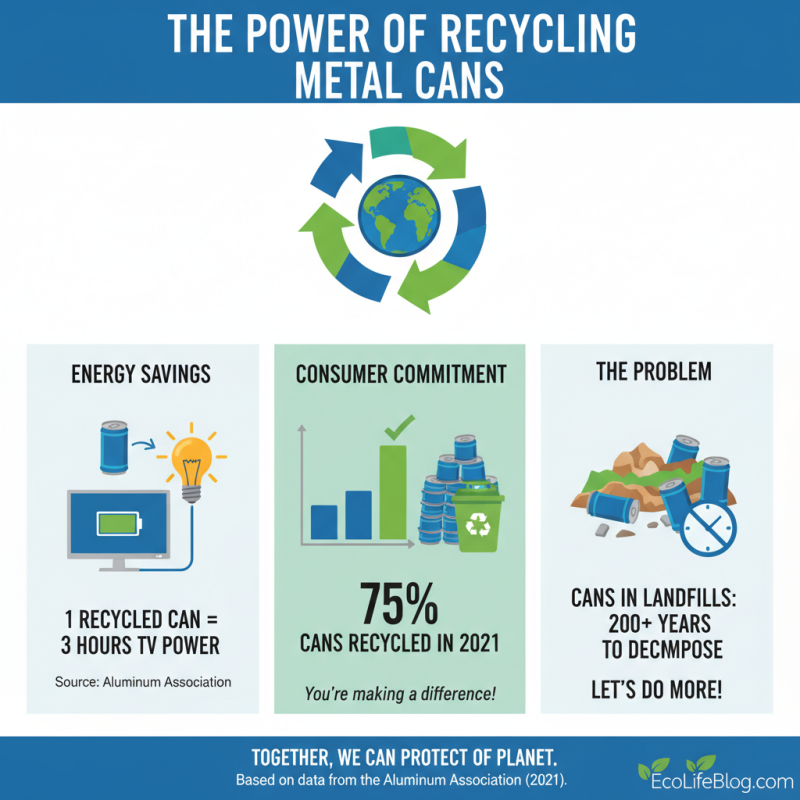
Recycling metal cans is crucial for environmental sustainability. According to the Aluminum Association, recycling one aluminum can saves enough energy to power a television for three hours. In 2021, nearly 75% of all aluminum cans produced were recycled. This statistic shows the commitment of consumers to sustainability. However, many cans still end up in landfills, where they can take over 200 years to decompose.
Proper practices enhance recycling efficiency. Rinsing out cans reduces contamination, which is vital for the recycling process. Even small residues can lead to entire batches being discarded. A study by the EPA found that improving consumer knowledge can increase recycling rates by up to 30%. Yet, many people remain unaware of these simple steps. Education around recycling practices remains inconsistent, highlighting an area needing improvement.
Understanding the benefits is essential. Recycling saves resources and reduces greenhouse gas emissions. The U.S. EPA states that recycling metals helps conserve over 90% of the energy needed to create new products. Yet, the journey is not perfect. Some consumers find it inconvenient to recycle. More community programs could motivate better habits. Reflecting on our choices can inspire better recycling behaviors.



 +8618680445103