What is a Medicine Container and How to Choose the Right One for Your Needs
In today's fast-paced world, the importance of
proper medication management cannot be overstated, making the selection of the
right medicine container a crucial decision for individuals and caregivers alike.
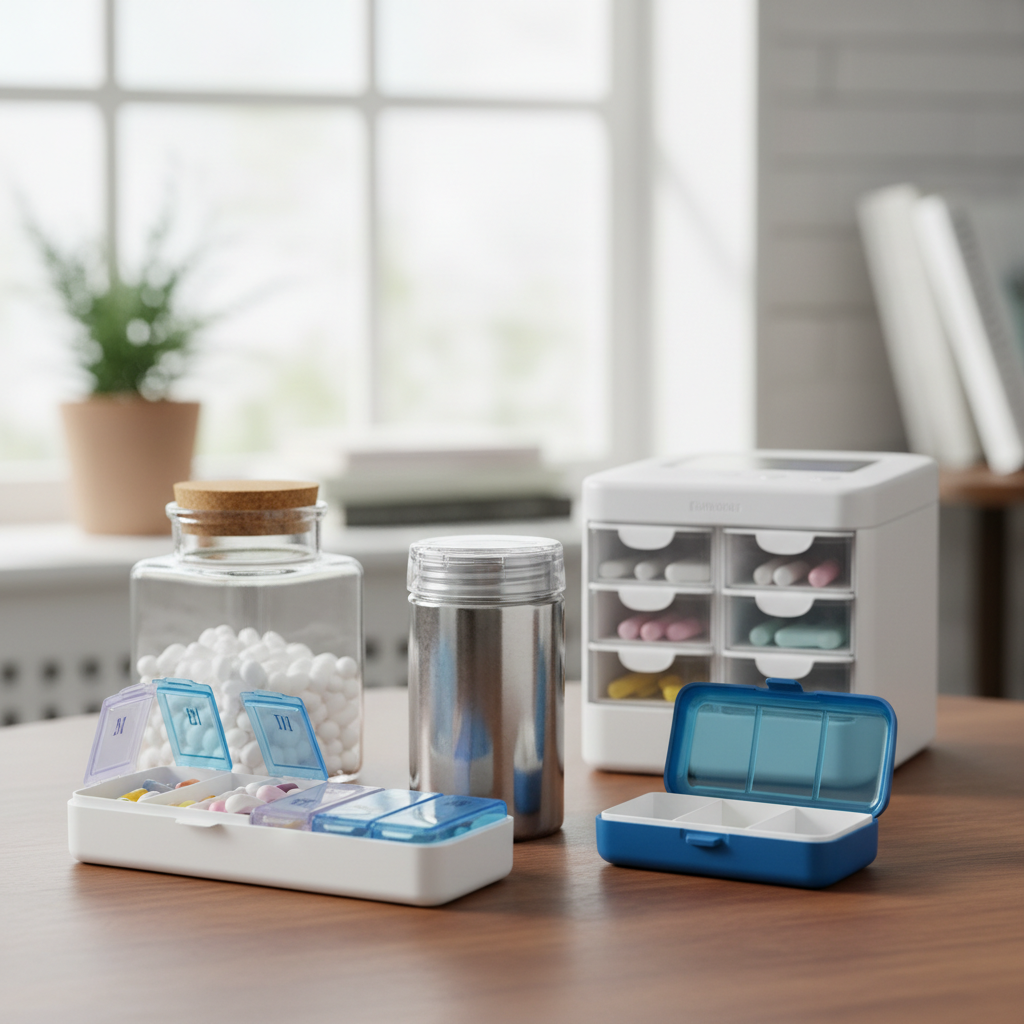
A medicine container is designed to safely store and organize medications,
ensuring easy access while protecting them from environmental factors that could
compromise their efficacy. With the plethora of options available, understanding
the various types and features of medicine containers is essential for meeting
your specific needs.
When choosing a medicine container, it's important to consider factors such as
size, material,
and functionality. Whether you require
a simple pill organizer for daily doses or a more sophisticated solution with
child-proof features, each type caters to different requirements and lifestyles.
Furthermore, the right container can not only enhance convenience but also
promote proper medication adherence, ultimately contributing to better health outcomes.
In this article, we'll explore the top five medicine containers of 2025,
guiding you through the selection process to find the ideal match for your
healthcare regimen.
Understanding Medicine Containers: Definition and Purpose Explained
Medicine containers play a crucial role in the safe and effective storage of pharmaceuticals. Defined as any type of vessel used to hold medication, these containers can range from simple pill bottles to sophisticated dose dispensing systems. According to a report from the World Health Organization, inappropriate storage can lead to medication errors, affecting approximately 1.5 million people in the U.S. alone each year. Hence, the primary purpose of a medicine container is to ensure the integrity of the medication, protecting it from environmental factors such as moisture, light, and contamination.
When choosing the right medicine container, several factors must be considered, including material, size, and type. For instance, containers made of dark glass or opaque plastic are ideal for light-sensitive medications. A recent survey by the National Community Pharmacists Association indicates that 70% of patients prefer containers that are easy to open and child-resistant, highlighting the importance of usability in design. Furthermore, the right container should offer adequate labeling space for important details such as dosage instructions and expiration dates, assisting users in adhering to their prescribed medication regimen.
Key Features to Consider When Choosing a Medicine Container
When selecting a medicine container, key features play a crucial role in ensuring your medications are stored safely and effectively. One important aspect to consider is the size and capacity of the container. It should be large enough to accommodate your daily prescriptions, while also being portable if you need to carry it with you. Additionally, many people prefer containers that offer multiple compartments to organize different medications, which can help prevent confusion and ensure the correct medications are taken at the right times.
Another significant feature is the material and design of the container. Opt for containers made from durable, non-toxic materials that can withstand wear and tear, ensuring longevity. Furthermore, a secure lid is essential to prevent accidental spills or exposure to moisture, which can compromise the integrity of the medications. Some containers also come with child-proof features for added safety, making them ideal for households with young children. By carefully evaluating these aspects, you can choose a medicine container that meets your specific needs and provides peace of mind regarding your medication management.
Assessing Size and Capacity for Your Medication Needs
When selecting a medicine container, assessing size and capacity is crucial to ensuring your medication needs are met effectively.
The size of the container should correspond to the type and quantity of medication you are using, whether it’s daily pills, liquid medications, or larger prescriptions.
For instance, if your medication regimen involves multiple daily doses or larger tablets, a container with adequate capacity is essential to avoid running out or missing doses.
Additionally, consider how often you need to refill the container. A smaller size might suffice for occasional medications, while those with chronic conditions may benefit from larger containers that can accommodate several weeks' worth of pills.
Utilizing a container that is not only the right size but also easy to transport can enhance your adherence to medication schedules, leading to better health outcomes.
Therefore, carefully evaluating your dosages and frequency of intake will guide you in choosing the right medicine container for your specific needs.
Material Options and Their Impact on Medicine Storage
When selecting a medicine container, the material used for its construction plays a crucial role in ensuring the safety and efficacy of the stored medicines. Common materials include
glass,
plastic, and
metal, each offering distinct advantages and disadvantages.
According to a report by the American Pharmaceutical Association, glass containers are favored for their inert properties, which prevent chemical interactions that could compromise medicine integrity. This non-reactive nature makes glass an ideal choice for volatile substances and specialty medications that require a stable environment.
On the other hand, plastic containers are widely utilized due to their lightweight nature and versatility. The latest data from the National Association of Boards of Pharmacy indicates that high-density polyethylene (HDPE) is particularly popular for storing liquid medications, as it provides excellent barrier properties against moisture and oxygen. However, it is essential to note that certain types of plastic can leach chemicals over time, potentially affecting the quality of the medicine.
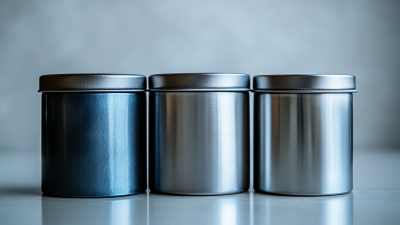
Meanwhile, metal containers, such as those made from aluminum, are increasingly used for their durability and resistance to breakage, though selectivity is critical, as some metals may react with sensitive compounds.
Understanding the implications of material choice is vital for ensuring optimal medicine storage and prolonging shelf life.
Safety and Compliance Standards in Medicine Container Selection

When selecting a medicine container, safety and compliance standards are paramount to ensure that medications are stored, transported, and dispensed correctly. Different types of medicine containers, such as bottles, blister packs, and vials, must comply with regulatory guidelines set forth by organizations like the FDA and ISO. These standards dictate the materials used, labeling requirements, and the structural integrity needed to withstand various environmental factors, including temperature and humidity, which can affect medication efficacy.
In addition to regulatory compliance, it is vital to consider the specific needs of the medication being stored. For instance, containers designed for liquid medications may require child-resistant caps to prevent accidental ingestion. Similarly, certain medications may demand light-resistant packaging to safeguard against degradation from UV exposure. When choosing the right container, healthcare professionals and consumers should prioritize options that not only meet safety standards but also enhance user convenience and accessibility, ensuring that critical medications remain effective and safe for use.



 +8618680445103