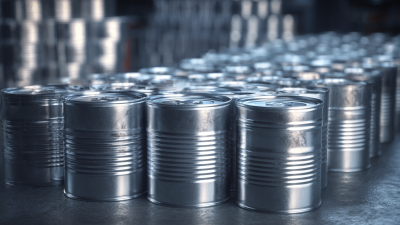
Metal Can Recycling Tips for a Sustainable Future?
Metal cans are everywhere. They are crucial in our daily lives, from beverages to food storage. However, many people overlook the importance of recycling these items. The Recycling Partnership reports that recycling one ton of metal cans prevents the emission of 1.17 tons of carbon dioxide. This figure highlights the environmental impact of proper recycling.
Despite the benefits, a significant amount of metal cans still end up in landfills. According to the Environmental Protection Agency, only 50% of aluminum cans are recycled in the U.S. This is a stark contrast to the potential for recycling, which could save energy and preserve resources. There is room for improvement in our recycling habits.
Recycling metal cans is not just beneficial; it's essential for a sustainable future. The industry is striving to increase awareness and engagement. Small changes in consumer behavior can lead to big results. By making a commitment to recycle metal cans, we can contribute to a healthier planet. Remember, every can counts.

Understanding the Importance of Metal Can Recycling for Sustainability
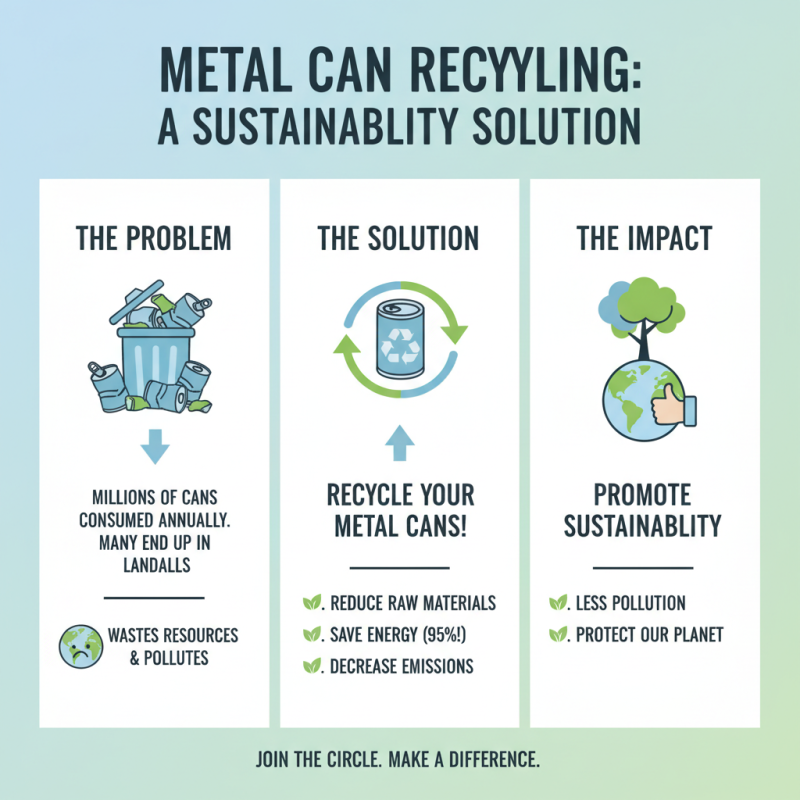
Metal can recycling plays a pivotal role in promoting sustainability. Every year, millions of metal cans are consumed. However, a significant portion ends up in landfills. This not only wastes resources but also contributes to environmental degradation. By recycling metal cans, we reduce the need for raw materials. The process saves energy and decreases greenhouse gas emissions.
Many consumers overlook simple recycling habits. For instance, rinsing cans before recycling is often neglected. This small step helps maintain the quality of recycled materials. Furthermore, it’s essential to know local recycling guidelines. Some areas have strict rules about what can be recycled. Understanding these can help improve recycling rates.
While the benefits are clear, challenges remain. Awareness about the importance of metal can recycling is still lacking. Many individuals feel indifferent. They might think, “Recycling one can doesn’t matter.” This mindset needs to change. Each small effort contributes to a larger impact. Emphasizing collective responsibility can spark change. Everyone can play a part in a sustainable future.
Types of Metal Cans and Their Recyclability: What You Need to Know
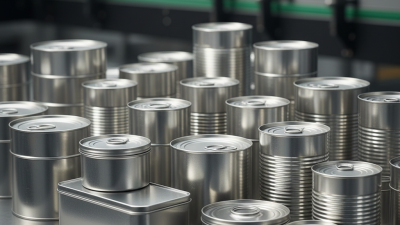
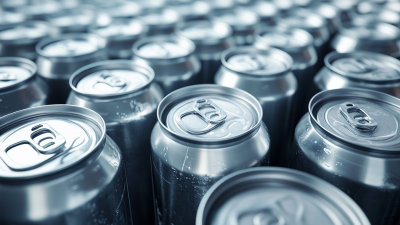
When it comes to metal cans, there are various types to consider. Aluminum cans are commonly used for beverages. They are lightweight and easy to recycle. Steel cans, on the other hand, are often used for canned food. Each type has its own recycling processes. Knowing which type you have is key.
Recyclability can vary significantly. Aluminum cans can be melted down and reused multiple times without losing quality. Steel cans are also recyclable but may require more energy to process. Many people don’t realize that not all metal cans are equally recyclable. Some coated cans or those with mixed materials might end up in landfills.
Always rinse cans before recycling. Leftover food can contaminate the recycling stream. It’s important to check with local recycling guidelines. Some areas have specific rules about metal can recycling. Understanding these details can help improve sustainability efforts. Reflecting on habits can lead to better recycling practices.
Step-by-Step Guide to Properly Prepare Metal Cans for Recycling
Recycling metal cans is crucial for a sustainable future. It's estimated that recycling aluminum saves 90% of the energy needed to produce new aluminum. However, many people still do not recycle these materials properly. Preparing metal cans for recycling requires careful attention.
Start by rinsing out the cans. This helps reduce contamination and unpleasant odors. A simple rinse with water can do wonders. Next, remove any labels. Labels may interfere with the recycling process. If the adhesive is stubborn, a bit of scrubbing can help. Surprisingly, many people overlook this step, leading to contaminated batches.
After cleaning, flatten the cans. Flattening reduces space in recycling bins. However, some experts argue this may lead to more damage in processing. Ensure you know your local recycling rules. Not every facility accepts flattened cans. Check twice. Each small step at home impacts the environment significantly. In 2021, roughly 1.2 million tons of aluminum were recycled in the U.S., showcasing a potential opportunity for improvement in recycling practices. If we all follow these tips, we can contribute to a healthier planet.
Best Practices for Collecting and Storing Metal Cans for Recycling
When recycling metal cans, proper collection and storage are essential for sustainability. Start by designating a specific container for cans. It can be a bin or a bag. Keep it clean and easily accessible. This will encourage everyone to participate. Make sure to rinse out any residue. A quick wash can prevent unpleasant odors. It also helps in the recycling process.
Storage is equally important. Avoid crushing cans unless required by local recycling guidelines. Crushing can save space but may complicate sorting at recycling centers. Keep your cans dry and away from moisture. If they are wet, they can rust and become unrecyclable. Remember, not all metal is created equal. Some containers, like aluminum and tin, are more easily recycled than others.
Reflect on your habits. Do you often throw cans in regular trash? This choice impacts our environment. Taking small steps can lead to significant changes. Educate others about metal recycling. Share tips and encourage neighbors to join. This collective effort can create a more sustainable future. Every can counts.
Community Programs and Resources for Metal Can Recycling Efforts
Many communities are taking initiative in metal can recycling. Local programs often offer resources for residents. They provide drop-off points for cans, making recycling more accessible. Schools sometimes host can drives. It encourages children to participate and learn about sustainability.
Volunteers play a vital role in these programs. They help sort and process the cans collected. However, sometimes the commitment fades. Participation may decline over time, leaving programs struggling. It’s crucial to keep the community engaged and informed. Workshops and events are excellent ways to raise awareness. They can show people the impact of recycling.
Some regions may lack adequate facilities. This can deter residents from recycling metal cans. Finding alternative solutions is necessary. Creating partnership networks can help. Collaboration with local businesses can enhance recycling efforts. Engaging community members can foster a culture of sustainability. The goal is to create lasting change for future generations.
Metal Can Recycling Tips for a Sustainable Future
| Tip |
Details |
Community Program |
Resources |
| Rinse Before Recycling |
Remove food residue to prevent contamination. |
Local Recycling Drives |
Check city website for schedules. |
| Check Local Regulations |
Learn what materials are accepted in your area. |
Recycling Resource Centers |
Find guides on local rules and accepted items. |
| Avoid Contaminants |
Do not mix non-recyclable items with cans. |
Community Workshops |
Participate in workshops for proper recycling. |
| Use Public Drop-off Locations |
Utilize designated metal can drop-off zones. |
Neighborhood Clean-up Events |
Engage in community cleaning efforts. |
| Promote Awareness |
Educate others on the importance of recycling. |
School Programs |
Tools for educators on recycling education. |



 +8618680445103