What is Metal Cans and How Are They Used in Everyday Life?
In our daily lives, metal cans play a crucial role. These containers are widely used for preserving a variety of foods and beverages. According to Dr. Emily Carter, a leading expert in packaging technology, "Metal cans have transformed the way we consume products, ensuring freshness and safety." Her insight highlights the importance of metal cans in modern society.
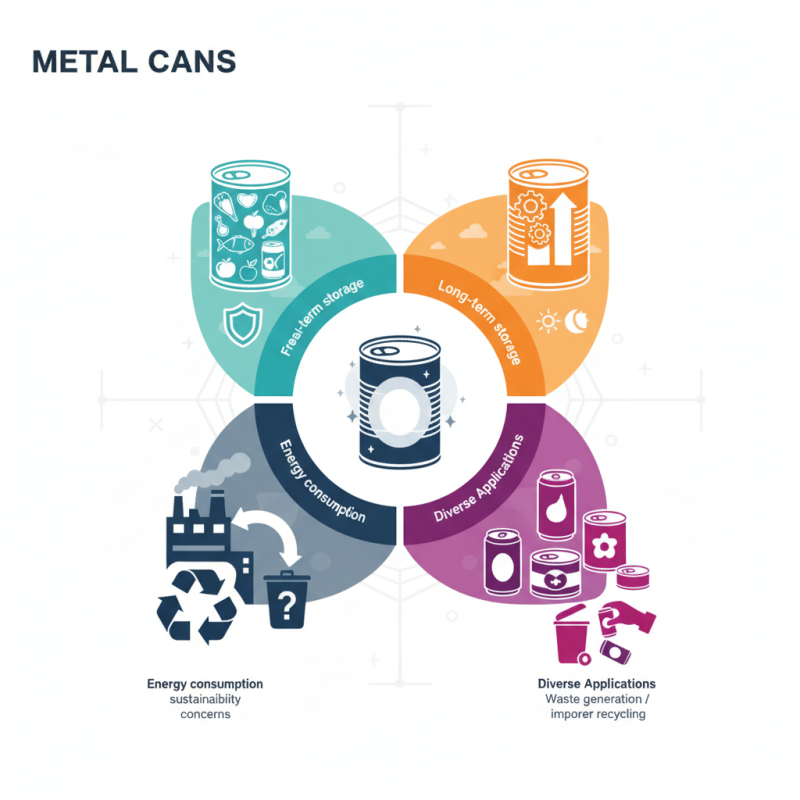
Metal cans are not just convenient; they are also durable. Their ability to protect contents from light and air makes them ideal for long-term storage. However, the production of metal cans raises questions about sustainability. While they are recyclable, the energy consumption during manufacturing can be substantial. This is an area that requires ongoing improvement.
The versatility of metal cans is evident in their diverse applications. From beverages to pet food, they cater to a wide audience. Yet, their use also prompts reflection on waste generation. Many consumers do not recycle them properly. Addressing this challenge is vital for promoting eco-friendly practices in the metal cans industry.
What Are Metal Cans and Their Composition in Modern Manufacturing?
Metal cans are a key part of modern manufacturing. Typically made from steel or aluminum, their composition contributes to their durability and recyclability. According to the Environmental Protection Agency, metal cans have an impressive recycling rate of 76%. This high percentage highlights the industry's commitment to sustainability.
The production process of metal cans involves several materials, including tinplate and aluminum alloy. Tinplate is steel sheets coated with tin. This process not only helps resist corrosion but also enhances the can's strength. Aluminum cans, on the other hand, are lightweight and reduce transport emissions. In fact, nearly 50% of aluminum cans are made from recycled materials.
While the efficiency of metal can production is remarkable, challenges remain. Recycling systems can be inconsistent across regions. Also, some layers of coatings used in cans may pose environmental concerns. Innovations in materials and recycling technology are needed to address these issues. Industry reports suggest that the next decade will focus on improving these processes and boosting recycling rates further.
The Historical Development of Metal Cans in Food and Beverage Packaging
Metal cans have a long and fascinating history in food and beverage packaging. Tracing back to the early 19th century, they were first developed to preserve food during long voyages. The first successful canned goods appeared around 1810. These were initially hand-sealed and made of heavy iron.
As the industry evolved, innovations in technology changed the game. By the late 19th century, the introduction of tin plating revolutionized can manufacturing. According to the Metal Packaging Association, modern metal cans are now about 30% lighter than their predecessors. This shift not only reduced manufacturing costs but also lessened environmental impact. Current data shows that metal packaging can be recycled indefinitely without loss of quality, emphasizing its sustainability.
Despite these advancements, challenges remain. A report by the World Packaging Organisation highlighted issues like metal corrosion and the risk of contamination. The industry must continually innovate to ensure product safety. As consumer preferences shift towards more sustainable options, metal cans remain a go-to choice for many. Their enduring presence in kitchens symbolizes both tradition and progress in food storage.
What is Metal Cans and How Are They Used in Everyday Life? - The Historical Development of Metal Cans in Food and Beverage Packaging
| Dimension |
Description |
Common Uses |
| Material |
Typically made of aluminum or steel |
Used for beverages like soda, beer, and canned food |
| History |
Invented in the early 19th century |
Initially used for preserving food during wartime |
| Manufacturing Process |
Formed through rolling, cutting, and shaping metals |
Used in large-scale food and beverage production |
| Recyclability |
Highly recyclable, often repurposed into new cans |
Promotes sustainable packaging practices |
| Advantages |
Durable, lightweight, and preserved flavor |
Ideal for both long-term storage and transport |
Key Advantages of Metal Cans: Preservation and Sustainability Factors
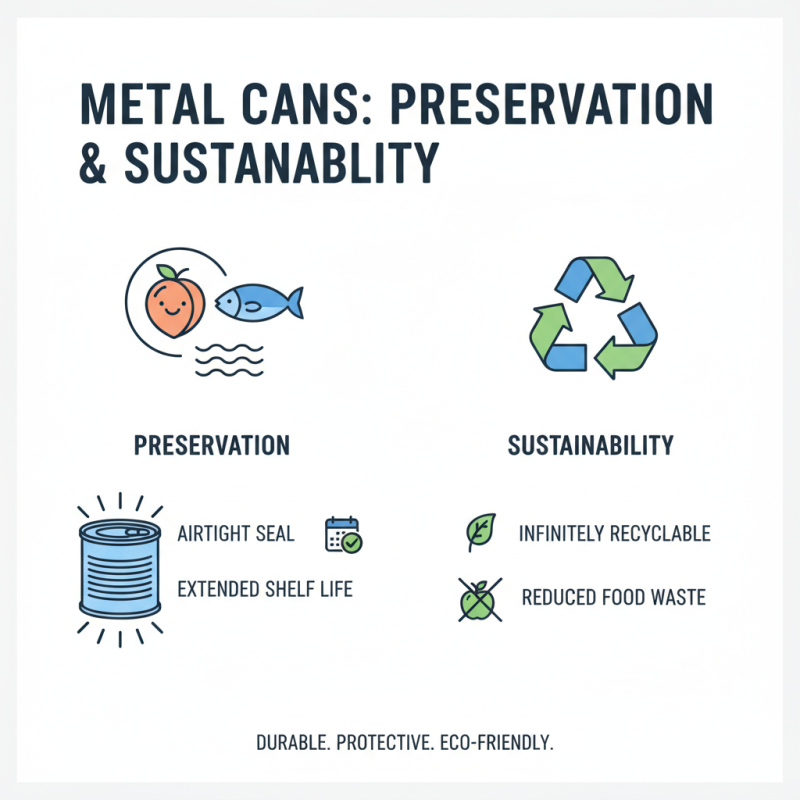
Metal cans are familiar yet remarkable items in our everyday life. They are widely used for packaging food and beverages. What often goes unnoticed is their impressive ability to preserve contents. The airtight seal prevents spoilage and extends shelf life. This makes metal cans a popular choice for storage. Imagine enjoying canned peaches months after they were harvested. It's possible due to the efficiency of metal cans.
Sustainability is another significant advantage of metal cans. They are fully recyclable and can be reused multiple times. This reduces waste in landfills and conserves energy. A notable fact is that recycling aluminum saves up to 95% of the energy needed to produce new cans. However, the recycling process isn't flawless. Not all cans are recycled properly, and contamination can hinder the process. Awareness and education are essential for improving the recycling rates.
While metal cans have many benefits, there are areas needing attention. For instance, the production process can lead to environmental concerns if not managed correctly. Additionally, some consumers may hesitate to choose canned goods over fresh products. They may undervalue the quality and safety of canned foods. Addressing these misconceptions is vital. Promoting the benefits of metal cans can help maintain their role in a sustainable future.
Current Usage Statistics: Metal Cans in Global Markets and Consumer Trends
Metal cans are a staple in households globally. They serve various purposes, from preserving food to packaging beverages. In recent years, their popularity has surged due to their convenience and recyclability. Data shows that metal cans account for over 30% of packaging in the food sector. This rise reflects changing consumer preferences and a growing awareness of sustainability.
Current trends reveal that metal cans are favored among younger consumers, who prioritize eco-friendly options. In the beverage industry, canned drinks are becoming increasingly trendy. Brands focus on innovative designs and smaller sizes to attract this demographic. In Europe and North America, metal can consumption has increased by approximately 15% in the last three years. However, the competition with other packaging forms remains intense.
Despite these advancements, challenges persist. Recycling rates for cans vary by region, highlighting systemic issues in waste management. Not all consumers are aware of proper recycling methods, leading to landfill waste. The industry must address these gaps to fully embrace its sustainable potential. Balancing growth with environmental responsibility demands ongoing reflection and improvement.
Global Metal Can Usage Statistics
This bar chart illustrates the global usage of metal cans across various sectors, highlighting the trend in consumer preferences over recent years. The data represents the percentage usage in each sector for the year 2022.
Innovations in Metal Can Technology: Recycling and Environmental Impact
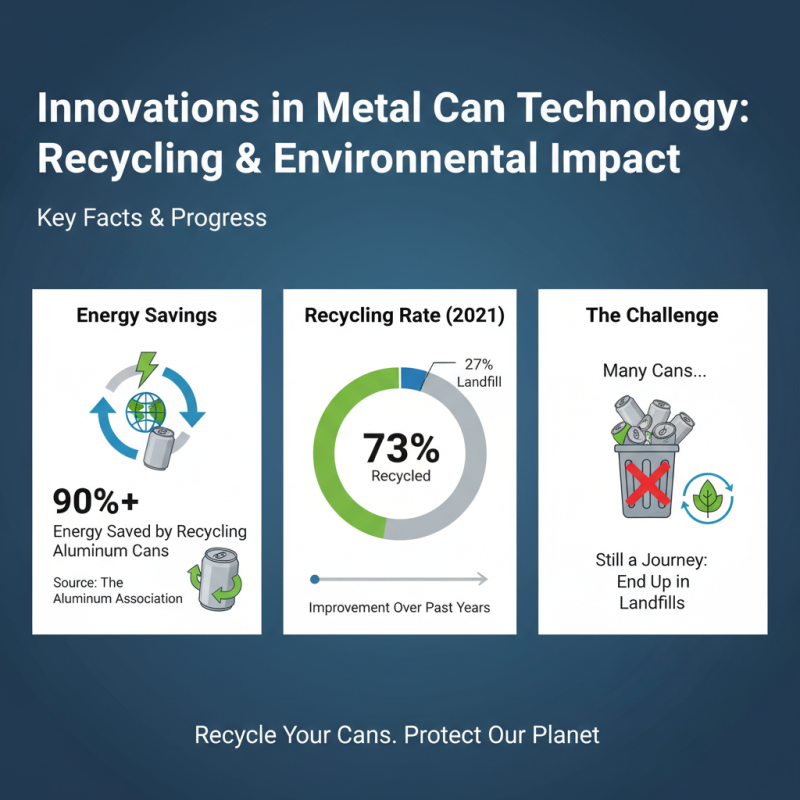
Innovations in metal can technology have significantly impacted recycling and environmental sustainability. According to the Aluminum Association, recycled aluminum cans save more than 90% of the energy needed to produce new ones. This statistic highlights the efficiency of recycling processes. In 2021, the recycling rate for aluminum cans achieved approximately 73%, showcasing an improvement over past years. Yet, the journey isn't flawless; many cans still end up in landfills.
The environmental impact of metal cans extends beyond recycling. Steel and aluminum production creates greenhouse gas emissions. However, innovation in manufacturing processes has helped reduce these emissions. For instance, using renewable energy sources during production can lower carbon footprints. Research indicates that employing such methods could cut emissions by up to 30%. Still, the industry faces challenges, including outdated facilities that hinder progress.
Consumer awareness plays a vital role in this narrative. As more individuals recognize the importance of recycling, they can drive demand for eco-friendly practices. Yet, many consumers remain unaware of how to properly recycle metal cans, leading to contamination issues in recycling streams. This calls for improved education on recycling processes. Innovative technologies and consumer engagement can enhance sustainability within the metal can industry.



 +8618680445103