What is the Purpose of Metal Cans in Food Packaging?
Metal cans have been a staple in food packaging for decades. They offer durability and protection for various food products. These cans are designed to keep contents fresh and safe from external elements. The significance of metal cans goes beyond mere convenience; they provide a reliable barrier against light, oxygen, and moisture.
However, the purpose of metal cans is often overlooked. Many consumers fail to consider the science behind their structure. A well-designed can can extend the shelf life of food significantly. Despite this, some individuals worry about potential health impacts. Questions about the safety of the lining used in metal cans arise frequently. These concerns reflect a need for more transparency in food packaging.
In our everyday lives, we might take metal cans for granted. We often buy products without pondering their packaging. It’s essential to recognize the role these cans play in our food systems. As we explore the purpose of metal cans, we uncover a complex relationship between safety, preservation, and consumer trust. Understanding this can reshape our views on food packaging.
The Historical Development of Metal Cans in Food Packaging
The metal can has a rich history in food packaging. It emerged in the early 19th century. The first can was invented in 1810. However, it took years for the technology to evolve. Initial cans were heavy and hard to open. Early consumers needed tools to access their contents. This often led to frustrations and even injuries.
As technology advanced, so did the design of metal cans. The introduction of the can opener in the 1850s made a significant difference. Cans became lighter and easier to handle. By the late 1800s, canning became popular for preserving food. It offered a way to store food longer without refrigeration. People started enjoying the convenience of canned goods.
Despite its success, metal can packaging isn’t without flaws. Some may argue about the effects of storage time on taste. The leaching of materials can be a concern. Moreover, recycling rates vary across regions. These issues highlight the need for ongoing improvement in this packaging method. The journey of metal cans continues to be a mix of innovation and challenges.
Key Advantages of Using Metal Cans for Food Preservation
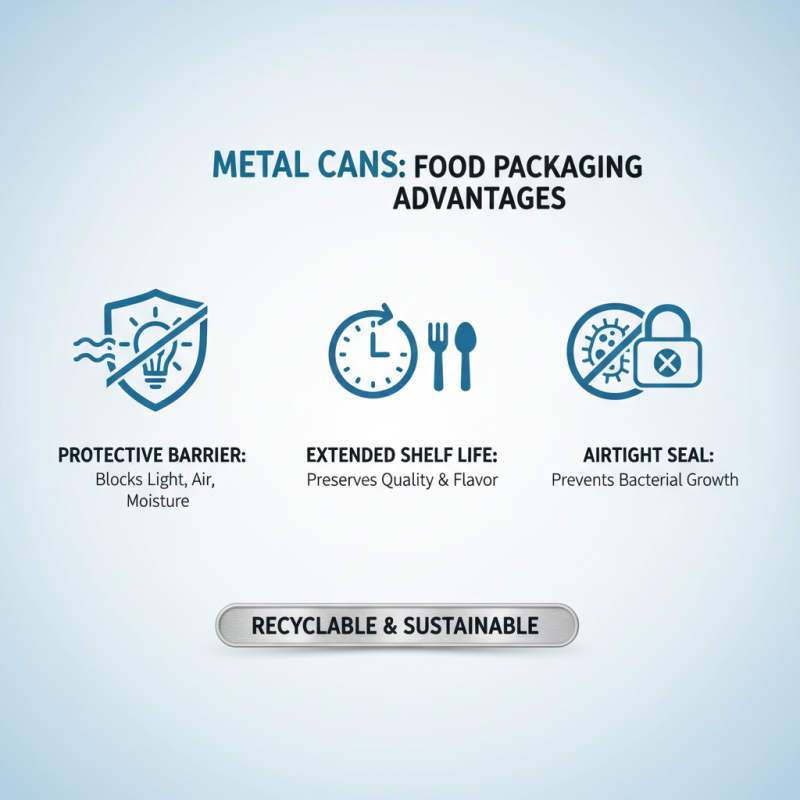
Metal cans are a popular choice for food packaging due to their numerous advantages. They create a protective barrier against light, air, and moisture, which can spoil food. This preservation method helps maintain the quality and flavor of the contents. Foods stored in metal cans often last much longer than those in other packaging types. The airtight seal can prevent bacterial growth effectively.
However, using metal cans does have its downsides. The production process can be energy-intensive. Additionally, some people worry about the potential for metal leaching into food. Though rare, this concern still needs addressing in ongoing research. The environmental impact from the mining of metals and production must also be considered.
Despite these challenges, recycling metal is straightforward. Aluminum and steel recycle efficiently, reducing waste. Using cans reduces the reliance on perishable materials. This advantage impacts the overall supply chain positively. Yet, the balance between convenience and environmental responsibility is delicate. Addressing these issues is crucial for the future of food packaging.
Understanding the Materials Used in Metal Can Production
Metal cans are widely used in food packaging. They provide durability and airtight protection. The primary materials used in can production are steel and aluminum. According to a recent industry report, about 95% of food cans are made from these two metals.
Steel is often coated with tin to prevent rust. Tinplate has excellent resistance to corrosion, which helps to keep food fresh. Aluminum, on the other hand, is lightweight and allows for easy transportation. A study by the Aluminum Association shows that aluminum cans are 100% recyclable and can be back on the shelf in as little as 60 days after recycling.
**Tip:** Always recycle your metal cans to reduce waste.
However, there are challenges in the production process. The mining and refining of these metals can have significant environmental impacts. This raises questions about sustainable practices in the industry.
**Tip:** Look for products that specify sustainable sourcing.
Not all metal cans are created equal. Quality can vary widely between manufacturers. Checking for high standards in production can ensure better preservation of food.
Environmental Impact and Recycling of Metal Food Cans
Metal cans play a significant role in food packaging. They are sturdy and preserve food effectively. However, their
environmental impact can be profound. Production requires energy, and improper disposal leads to waste. Yet, metal cans are highly
recyclable, making them a better choice than many other materials.
When disposed of properly, metal cans can be recycled repeatedly without loss of quality. This reduces the need for new materials and conserves resources. Although many people recycle,
it's crucial to do it correctly. Empty and clean cans are essential for successful recycling. Contaminants can ruin entire batches. This means that not every can ends up recycled,
which is concerning.
Tips for better recycling include checking local guidelines. Not all areas recycle the same materials. Additionally, consider buying in bulk to reduce packaging waste. Some people forget
that recycling metal saves energy. Each recycled can saves enough energy to power a TV for three hours. Awareness of these facts can drive better habits.
Recycling challenges exist, but each small step matters.
Innovations and Future Trends in Metal Can Packaging Technology
Metal cans have long been a staple in food packaging. Recently, innovations in metal can technology are reshaping this landscape. New methods focus on sustainability and efficiency. According to a recent report by the Metal Packaging Manufacturers Association, 75% of metal cans are recycled. This highlights a critical trend: the push for a circular economy.
Evolving designs now include lightweight materials and easy-open features. These advancements make cans more user-friendly. The global market for metal packaging is projected to reach $145 billion by 2027, growing at an annual rate of 4.2%. Yet, many manufacturers still grapple with balancing cost and sustainability. The challenge remains to reduce production waste while meeting increasing consumer demands for eco-friendly options.
Emerging trends point to smart technology integration in metal cans. For example, QR codes on cans can enhance consumer engagement. However, integrating these technologies poses hurdles. Not all consumers are tech-savvy, and there can be confusion over usage. As the industry moves forward, it must address these imperfections. This will ensure that the benefits of innovation reach a broader audience.



 +8618680445103