How to Recycle Metal Tin for Maximum Efficiency?
Recycling is crucial in today's world. Metal tin, a common material found in many households, often goes underappreciated. Proper recycling can significantly impact environmental sustainability. Many people unknowingly toss metal tin in the trash. This leads to wasted resources and increased landfill issues.
Efficient recycling of metal tin is not just beneficial—it's necessary. Understanding how to handle this material can help reduce pollution. When metal tin is recycled, it saves energy compared to producing new metal. However, some individuals are unsure about the recycling process. They might overlook cleaning or sorting steps, leading to inefficiencies.
Moreover, local recycling guidelines can vary, causing confusion. People may not realize that contaminated tins cannot be recycled effectively. It’s essential to educate ourselves on the best practices. Through awareness, we can maximize the benefits of recycling metal tin. This shift in behavior can foster a more sustainable future.
Understanding the Composition and Types of Metal Tins for Recycling
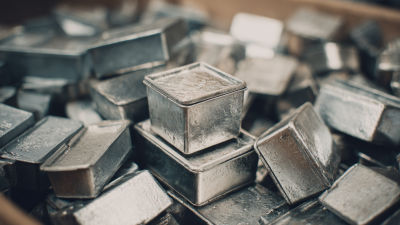
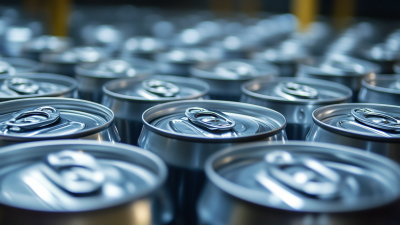
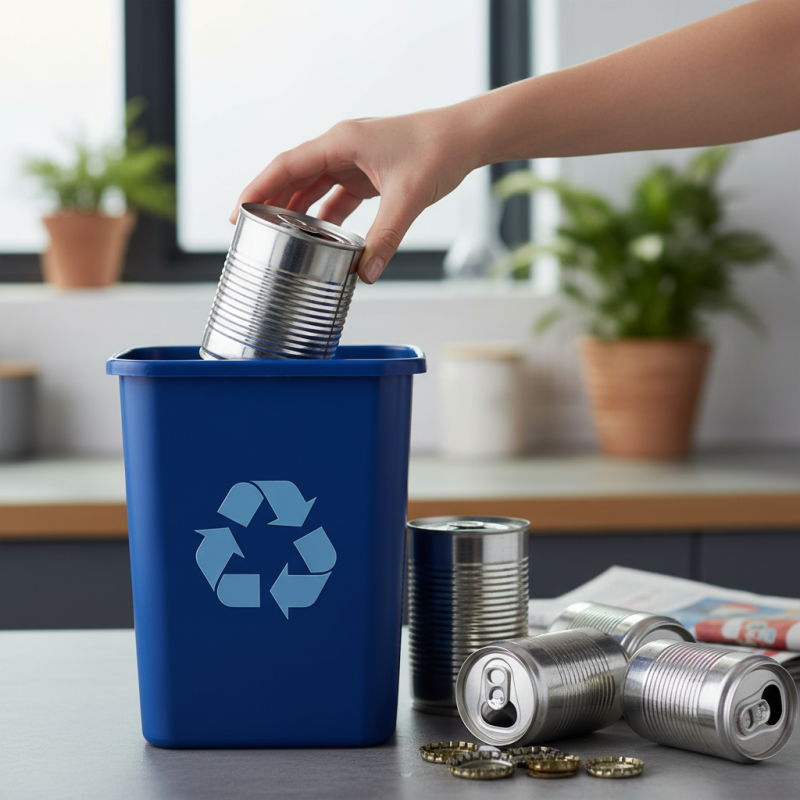
Metal tins are widely used for packaging food and beverages. Understanding what they are made of is essential for recycling effectively. Most metal tins are composed of steel or aluminum, two materials that are highly valuable in the recycling process. Steel tins, often used for canned goods, are magnetic and can be easily separated from other materials at recycling facilities. Aluminum tins, like those for soft drinks, are lightweight and valuable, offering high recoverable energy.
Recycling metal tins begins with proper sorting. Not all tins are created equal. Some may have non-metal components that can contaminate the recycling stream. Labels and paint can complicate the recycling process. Removing these before recycling is beneficial. However, many people overlook this detail. In some cases, cleanliness matters. Washing out food residues makes a big difference. While it may feel tedious, it is necessary for efficiency.
Some recyclable tins could end up in landfills due to improper disposal. This is an ongoing issue in many communities. A awareness is key. Educating the public about metal tin recycling can improve rates significantly. Simple actions lead to better recycling outcomes. Each small effort counts. By focusing on the intricacies of metal tin composition and handling, we can maximize recycling efficiency for a better environment.
Identifying Local Recycling Facilities and Their Metal Tin Programs
Recycling metal tin is essential for reducing waste. Local recycling facilities vary in their metal tin programs, making it crucial to identify the best options in your area. The U.S. Environmental Protection Agency (EPA) highlights that recycling tin cans can save up to 74% of the energy needed to produce new cans from raw materials. This is a significant impact on reducing energy consumption.
When looking for local recycling facilities, consider checking online databases or community boards. Many facilities offer specialized programs for metal tin, which can streamline the recycling process. Some even provide incentives for recycling, such as monetary rewards or discounts on local services. Confirm the types of metal tin accepted. Not all facilities recycle the same materials.
**Tip:** Before recycling, rinse out metal tins to remove residue. Clean materials are more likely to be accepted.
Be mindful of the challenges in recycling. Some facilities may lack proper equipment or funding for efficient collection. These shortcomings can lead to less effective recycling efforts. It’s essential to advocate for improved infrastructure in your local area. Engaging with your community can enhance recycling programs.
**Tip:** Join local environmental groups to stay informed and get involved in recycling initiatives.
Best Practices for Preparing Metal Tins for Efficient Recycling
When preparing metal tins for recycling, it is essential to ensure they are clean. Start by rinsing out any residue inside. Leftover food or liquid can contaminate the recycling stream. It's a small step, but it greatly improves recycling efficiency. An effective rinse usually takes less than a minute.
Removing labels is also necessary. Labels may contain adhesives that complicate recycling. Sometimes, simply soaking the tin can loosen the label. In other cases, scraping it off is more efficient. After prepping, flatten the tins. This saves space in the recycling bin. A flat tin takes up less room and allows for better transport.
Consider local recycling guidelines as well. Not all locations have the same rules for tins. Some may accept non-labeled tins, while others may not. It’s a detail that requires attention. Occasionally, recycling programs change their accepted materials. Regularly checking these updates helps avoid recycling mistakes. Each step in preparation can boost the chance of successful recycling.
The Environmental Impact of Recycling Metal Tins on Resource Conservation
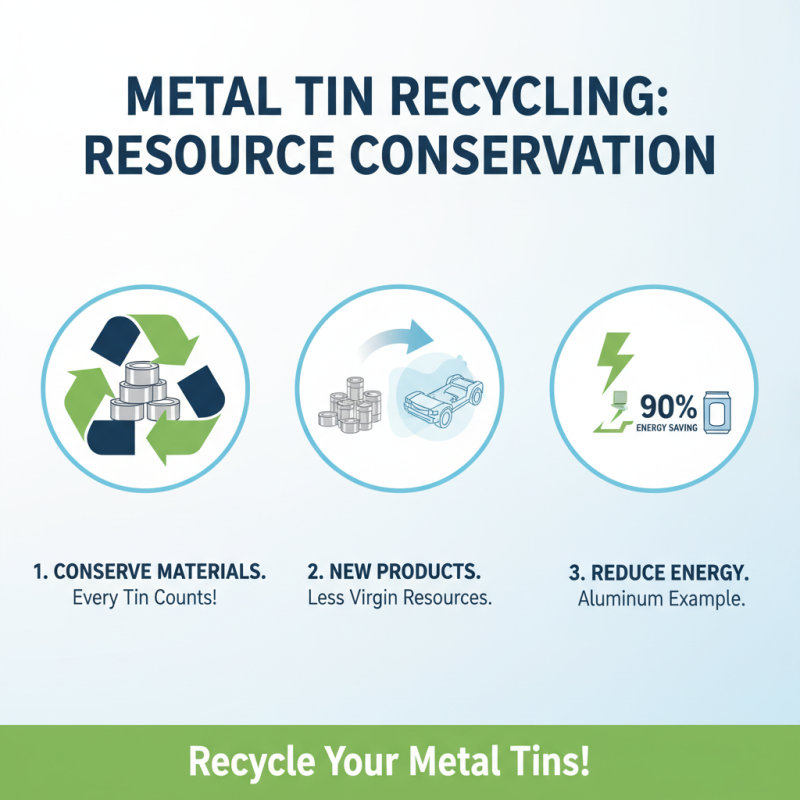
Recycling metal tins plays a vital role in resource conservation. Every tin can contains valuable materials. When recycled, these materials can be transformed into new products, reducing the need for virgin resources. This process decreases energy consumption significantly. For instance, recycling aluminum saves up to 90% of energy compared to producing new aluminum.
However, the reality of recycling can be disheartening. Many people still toss metal tins in the trash. They forget that even small actions matter. A lack of awareness complicates the recycling process further. Not all facilities accept metal tins, and those that do may face contamination issues. Clean, dry tins are crucial for efficient recycling.
It's essential to understand our role in this cycle. Supporting local recycling programs can drive change. Every tin recycled contributes to a healthier environment. Despite these efforts, the journey towards maximizing recycling efficiency is far from perfect. We must reflect on our habits and strive for better practices. Small improvements can lead to significant impacts in resource conservation.
Metal Tin Recycling Rates and Industry Standards for Maximum Efficiency
When it comes to metal tin recycling, industry standards play a crucial role. In 2020, the recycling rate for aluminum and steel cans reached around 54% in the United States, according to the Aluminum Association. However, there's room for improvement. Many households still discard tin cans without recycling. This leads to waste in both resources and energy.
Industry experts highlight that repurposing a single tin can saves enough energy to run a computer for three hours. Yet, many commonly miss this benefit. Understanding local recycling guidelines can significantly enhance the efficiency of metal tin recycling. However, compliance is not universal.
Confusion about what can be recycled often leads to contamination in recycling streams.
Improving metal tin recycling rates requires consistent public education and accessible recycling facilities. Some regions report that only 30% of residents participate in recycling programs effectively. Complicated sorting processes can deter participation. Streamlining these processes may inspire more individuals to recycle correctly and enthusiastically. While progress is evident, the journey towards maximum efficiency remains challenging.



 +8618680445103