How to Source Metal Tin for Global Procurement Needs?
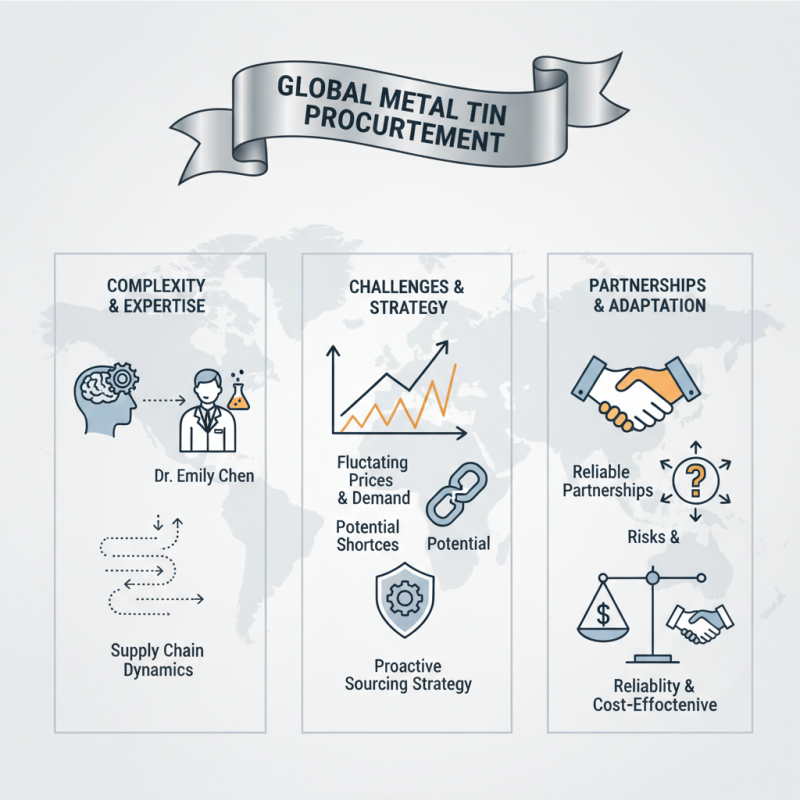
In today's global market, sourcing Metal Tin has become increasingly complex. Experts in the industry underline the significance of understanding various supply chain dynamics. According to Dr. Emily Chen, a renowned metallurgical engineer, "Sourcing Metal Tin effectively requires a blend of strategy and market insight." Her insights highlight the necessity of a thoughtful approach.
The growing demand for Metal Tin in electronics and packaging poses challenges. Businesses must navigate fluctuating prices and potential shortages. As demand rises, fluctuating markets can lead to unexpected costs. A proactive sourcing strategy is essential for maintaining stability. However, many organizations still rely on outdated methods.
Establishing reliable partnerships with suppliers is crucial. Yet, it's not always easy to find trustworthy sources. Each decision to source Metal Tin involves risks and uncertainties. Companies need to reflect on their current strategies and adapt to emerging trends. Balancing reliability and cost-effectiveness is vital for success in metal procurement.
Understanding Metal Tin and Its Applications in Global Procurement
Metal tin is a versatile material used in various applications across multiple industries. It is essential in electronics, packaging, and food preservation. According to a report by the International Tin Research Institute, the global demand for tin is projected to grow at an annual rate of 2.1% through 2025. This growth is driven by the increasing demand for solder in the electronics sector.
In procurement, understanding the properties of tin is crucial. The material is corrosive-resistant and has good ductility. These features make it ideal for use in plating applications and battery manufacturing. However, sourcing tin can pose challenges. The market is influenced by geopolitical factors and fluctuating prices. Data from the London Metal Exchange indicates that average tin prices can vary significantly, which requires procurement teams to stay informed about market trends.
Sustainable sourcing is another critical aspect. The tin mining industry faces scrutiny over environmental practices. Responsible sourcing ensures that businesses align with sustainability goals. Procurement managers should consider certifications and ethical sourcing guidelines. While accessing information can be difficult, prioritizing reliable sources and data will enable better decision-making.
Global Metal Tin Procurement Needs
Identifying Reliable Suppliers for Tin Sourcing Worldwide
Identifying reliable suppliers for tin sourcing is crucial in today's global market. Tin is essential in numerous industries, from electronics to packaging. Yet, finding dependable sources can be challenging. Many suppliers may not meet quality standards or ethical practices. Conducting thorough research is vital.
Start by assessing supplier credentials. Look for companies with certifications recognized in the industry. Reviews and testimonials can provide insights into a supplier's reliability. Engaging with trade associations can also enhance your network and help identify reputable suppliers.
Consider visiting suppliers’ facilities when possible. This allows you to gauge their operations firsthand. Regular communication is key; it helps build relationships and trust over time. Be cautious, though. Not all suppliers will be transparent. Assess their responsiveness and willingness to share information. Always remain critical of potential partners. The sourcing process requires diligence and attention to detail.
Evaluating Quality Standards and Certifications for Metal Tin
When sourcing metal tin for global procurement, quality standards are crucial. Evaluating these standards ensures that the tin meets industry requirements. Different certifications validate the quality of the products. For instance, certifications may include ISO standards, which focus on reliability and consistency. Organizations often seek suppliers who possess these certifications. They indicate a commitment to quality.
However, not all suppliers are transparent about their certifications. Some may misrepresent their qualifications. It's essential to verify claims by asking for documentation. Inspect samples before placing larger orders. Conducting rigorous due diligence can save time and costs. Third-party audits can also be beneficial in assessing compliance.
Quality assurance is an ongoing process. Market conditions can impact the supply chain. Frequent evaluations of suppliers can reveal inconsistencies. Building strong relationships with reliable partners matters. Regular communication can help maintain standards and clarify expectations. For sustainable sourcing, consider suppliers who prioritize ethical practices.
Navigating Global Markets and Trade Regulations for Tin Procurement
Navigating the global tin market requires a deep understanding of trade regulations and sourcing strategies. Tin production is concentrated in a few countries, primarily Indonesia and Myanmar, which provide over 60% of the world's tin supply. Market fluctuations can be influenced by geopolitical factors, so staying informed is crucial. The global tin market is projected to grow steadily, with reports indicating a demand increase of approximately 3% annually.
Understanding trade regulations is vital for successful procurement. Tariffs and export restrictions can impact costs and availability. Working with reliable local partners can ease navigation through these regulations. Understanding the logistics of importing is equally important. For instance, shipping delays and customs issues can arise unexpectedly. It's essential to have contingency plans in place.
**Tips:** Regularly review trade agreements relevant to your sourcing regions. These agreements can significantly affect pricing. Establish solid relationships with suppliers to facilitate smooth transactions and gather market insights.
Flexibility and adaptability are necessary in this volatile market. Global events can alter production rates and affect tin availability. Having diverse sourcing options may cushion against supply shocks. Always evaluate your sourcing strategy periodically; it can help identify potential weaknesses and inform smarter procurement decisions.
How to Source Metal Tin for Global Procurement Needs? - Navigating Global Markets and Trade Regulations for Tin Procurement
| Region |
Primary Source Countries |
Average Price per Ton (USD) |
Trade Regulations |
Key Trade Partners |
| Asia |
China, Indonesia, Myanmar |
$20,000 |
Compliance with local mining regulations |
Japan, South Korea |
| Africa |
Democratic Republic of the Congo, Nigeria, Rwanda |
$24,000 |
Export licenses required; ethical sourcing guidelines |
USA, EU Nations |
| South America |
Brazil, Peru |
$22,500 |
Adhere to international trade agreements |
Chile, Argentina |
| North America |
USA, Canada |
$21,000 |
Subject to tariffs; environmental regulations |
Mexico, EU |
Strategies for Cost-Effective Procurement of Metal Tin
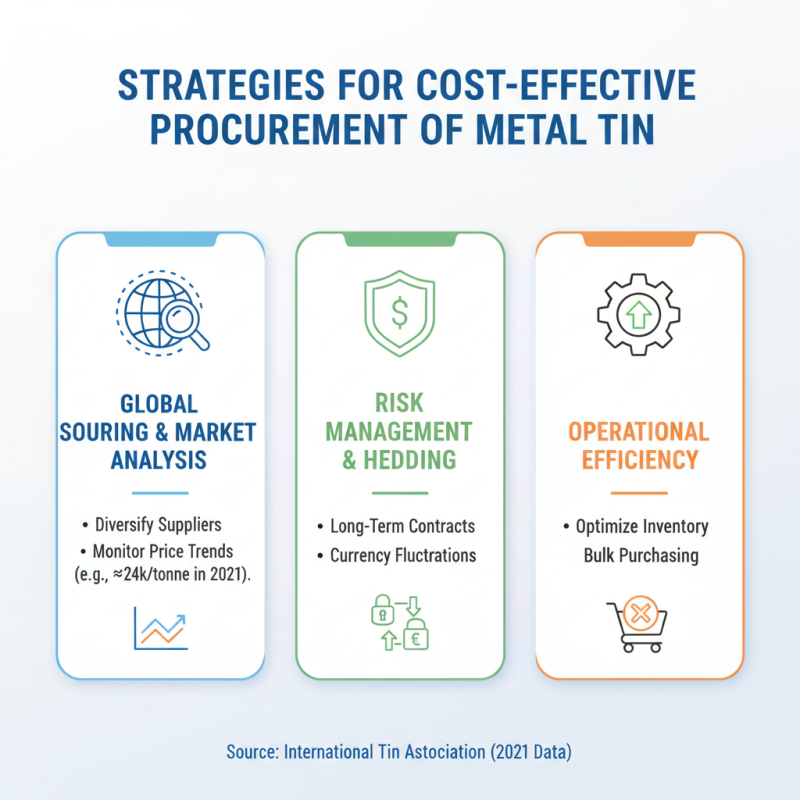
Sourcing metal tin globally requires strategic planning. The global tin market has shown volatility, with prices fluctuating significantly in recent years. According to the International Tin Association, the average price of tin reached approximately $24,000 per tonne in 2021, highlighting the necessity for cost-effective strategies.
One effective approach is to establish multiple suppliers across different regions. This diversification reduces dependency on a single market, helping to mitigate risks related to supply disruptions. Collaborating with suppliers who practice ethical sourcing can also lead to better pricing and improved sustainability credentials. Regularly reviewing supplier performance and market trends ensures that procurement decisions align with current demand dynamics.
Utilizing data analytics can create greater visibility into tin pricing trends and availability. Companies can leverage reports from organizations like Metal Bulletin, which provide insights into historical price movements and forecasts. Understanding these trends allows for strategic timing in purchases, potentially capitalizing on lower price points. Reflection on procurement practices periodically is essential. It helps identify areas for improvement and adapt to the market’s ever-changing landscape.



 +8618680445103