How to Source Quality Metal Tin for Your Business Needs?
Sourcing quality Metal Tin for your business is crucial. The right material can enhance your products' durability and appearance. It plays a vital role in packaging, manufacturing, and even crafting. Customers seek reliable suppliers, but not every source is trustworthy.
Understanding where to find good Metal Tin involves research. Many suppliers offer a variety of grades and finishes. Look for companies with strong reputations and positive reviews. It's essential to consider factors like thickness, coating, and certifications.
Yet, sourcing is not without challenges. Issues such as inconsistent quality and delivery delays may arise. Reflect on past experiences and seek feedback from other businesses. Reliable sourcing can build long-term relationships and improve your overall output.
Understanding the Different Types of Metal Tin Available in the Market
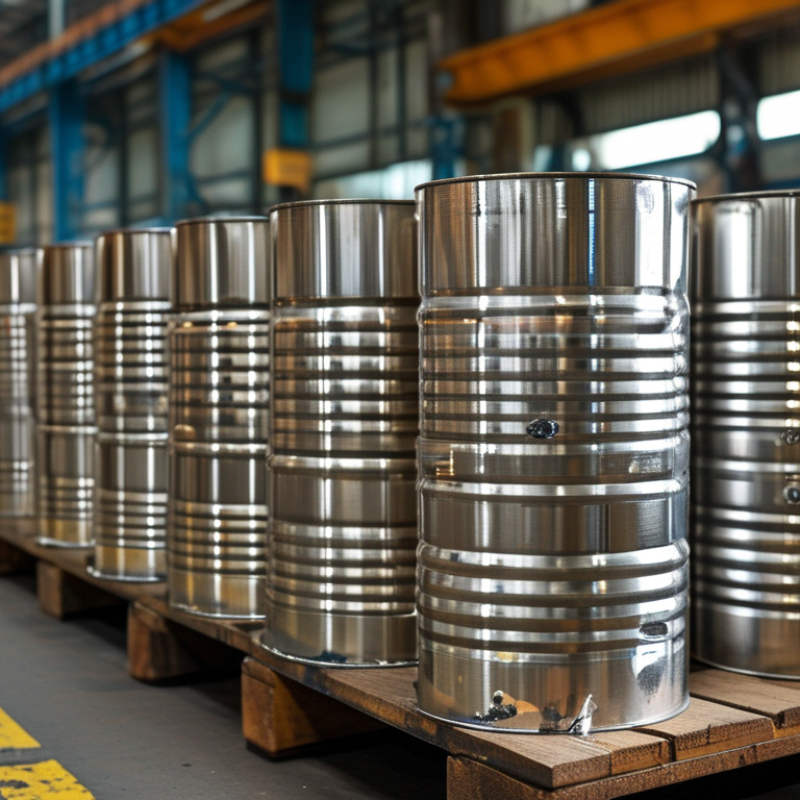
When sourcing metal tin for business needs, understanding the variety available is essential. Metal tin typically comes in different forms, primarily as tinplate, tin-free steel (TFS), and pure tin. Each type serves distinct purposes, affecting quality and application.
According to industry reports, tinplate is widely used in food and beverage packaging due to its corrosion resistance and malleability. It accounted for nearly 53% of the market in 2022.
Tin-free steel, on the other hand, is gaining traction in packaging and automotive industries. It offers excellent strength and is recyclable, making it a sustainable choice. Data indicates that the demand for TFS is projected to increase by 4% annually until 2025. However, understanding the limitations is crucial. While pure tin has high corrosion resistance, its cost can be a drawback for large-scale operations. Customers seeking to lower expenses might overlook this option.
Navigating these choices can be complex. Businesses must weigh quality against cost and availability. Reports suggest that not analyzing vendor credibility can lead to sourcing low-quality materials. Selecting the right type of metal tin is vital for ensuring product integrity and customer satisfaction. Always test samples before making larger commitments. This approach reduces the risk of future issues.
Evaluating Suppliers: Key Factors to Consider When Sourcing Metal Tin
When sourcing metal tin, evaluating suppliers is crucial. Quality, reliability, and price are essential factors. Choose suppliers with a strong reputation in the industry. Look for those who have been in the business for several years. Experience often indicates a better understanding of quality control processes. A supplier's history can provide insights into their reliability.
Assessing the production standards is also important. Ask about their processes and certifications. Reliable suppliers adhere to international quality standards. Visiting the facility, if possible, can reveal much about their operations. Check their product samples for consistency. This allows you to evaluate the quality before making a large purchase.
Consider logistics as well. How long will it take to receive your order? Timely deliveries can impact your operations significantly. A supplier's ability to meet deadlines should never be overlooked. Also, reflect on previous partnerships. Have past suppliers met your expectations? This can help you identify red flags in new suppliers.
Quality Assurance: How to Test Metal Tin Before Purchase
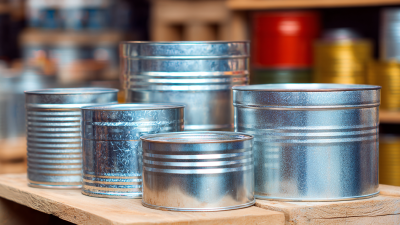
When sourcing metal tin, conducting proper quality assurance is crucial. Testing the material helps ensure it meets your business needs. Start by examining samples. Check for thickness and weight. A tin that feels sturdy is often of higher quality. Conduct visual inspections to identify any defects. Look for scratches, dents, or inconsistent finishes.
Next, some simple tests can provide insights into quality. Use a magnet to check if the tin is ferrous. A non-magnetic tin usually indicates better purity. Conduct a corrosion resistance test by exposing a sample to a salty solution. Watch for any signs of rust. This method can reveal vulnerabilities in the tin's composition.
Engaging with suppliers matters. Ask about their production processes and quality standards. Request certifications that prove their adherence to industry norms. However, it’s wise to verify these claims independently. Relying solely on documents can be risky. Real-world evaluations often provide clearer insights. Quality assurance isn’t just a checklist; it’s about understanding what you need and ensuring your suppliers fulfill those expectations.
Sustainable Sourcing: Finding Eco-Friendly Options for Metal Tin
Sourcing quality metal tin with a focus on sustainability is crucial for businesses today. Eco-friendly options are increasingly available. Many suppliers now prioritize using recycled materials in their production processes. This significantly reduces the environmental impact. Sourcing from such companies can instill confidence and show a commitment to sustainability.
However, challenges remain. Not all suppliers are transparent about their sourcing methods. Some may claim eco-friendliness without genuine practices. It's important to verify their claims through certifications and audits. Engaging in conversations with suppliers can provide insights into their production processes. A commitment to sustainable sourcing requires diligence and careful evaluation of suppliers.
Incorporating sustainable metal tin into your operations can be beneficial. It enhances your brand's reputation and meets consumer demand for environmentally conscious products. Yet, the journey towards sustainable sourcing is not without obstacles. Balancing cost, quality, and eco-friendliness is often complex. Reflections on these challenges can lead to better sourcing decisions in the future.
Cost Considerations: Budgeting for Metal Tin Procurement in Your Business
When budgeting for metal tin procurement, several cost factors come into play. Industry reports indicate that raw material prices fluctuate regularly. According to the Metal Bureau, tin prices have risen by 25% over the last year. This surge impacts your overall budget significantly. Considering these variations is essential for making informed decisions.
Transportation and processing costs also contribute to the total expenditure. Depending on your location, shipping fees can vary dramatically. Some regions report costs exceeding 15% of the material's price. Insurance and handling fees further complicate budgeting for tin procurement. Engaging with local suppliers can potentially reduce these costs.
It’s crucial to analyze the total cost of ownership. Many overlook hidden costs like waste, quality issues, and supply chain interruptions. Recent surveys indicate that businesses lose up to 10% of budget resources due to inefficient sourcing practices. Reviewing these elements can reveal areas for improvement, ensuring your metal tin sourcing aligns with financial goals. Being mindful of these factors enhances your strategic planning.



 +8618680445103