Top 10 Tips for Choosing the Best Tin Containers?
Choosing the right tin containers can be challenging. The market offers a wide range of options. Each type of tin container has unique features. Some are perfect for food storage, while others suit crafts or gifts.
When selecting tin containers, consider function and style. The size, shape, and color play important roles in your choice. Look for quality materials that ensure durability. A reliable container will protect its contents for years.
Reflect on what you need from a tin container. Is it for everyday use or special occasions? Each decision affects your overall satisfaction. So, take your time. Explore your options carefully. Making informed choices will lead to better results. Ultimately, the perfect tin container will meet both your practical and aesthetic needs.
Understanding Different Types of Tin Containers Available in the Market
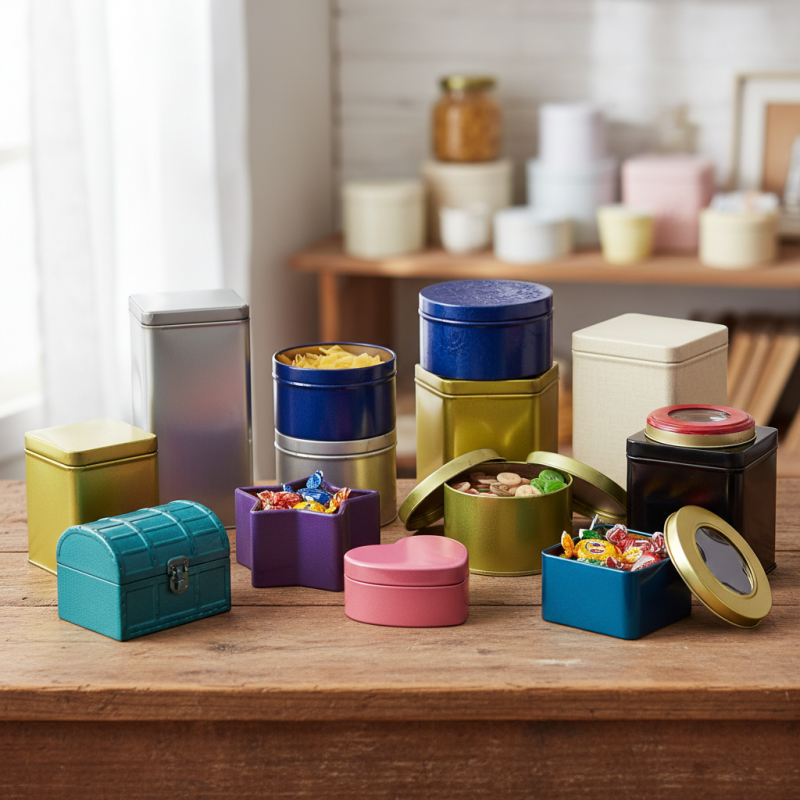
When selecting the right tin containers, understanding their types is crucial. There are various styles available in the market today. Each has unique features and purposes. For instance, round tin containers are common for candies and small items. Their classic design appeals to many consumers. Square containers are often found in tea packaging. They stack easily, making them efficient for storage.
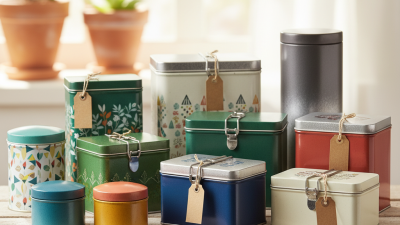
Metal tins also come in different finishes. Matte and glossy finishes change their appearance and feel. Glossy tins often catch the eye, making them ideal for gift items. Conversely, matte tins provide a more muted, sophisticated look. Decorative elements like prints and colors can enhance appeal as well. However, some decorative tins may not be as durable. Reflecting on utility versus aesthetics can help guide your choice.
Consider size and capacity while choosing tin containers. Smaller tins work for individual servings, while larger tins can store bulk items. Keep in mind that some designs may not be practical for everyday use. It's essential to find a balance between form and function. Sometimes, you may have to compromise on one for the other. Don’t rush into your decision; take time to explore your options. Each container should fulfill a purpose beyond just its look.
Top 10 Tips for Choosing the Best Tin Containers
| Tip Number |
Tip Description |
Container Type |
Best Use |
| 1 |
Consider the size you need. |
Standard Tin Can |
Food storage |
| 2 |
Match the container to its contents. |
Decorative Tin |
Gift packaging |
| 3 |
Check for airtight lids. |
Screw-top Tin |
Long-term storage |
| 4 |
Evaluate the weight of the container. |
Lightweight Tin |
Travel use |
| 5 |
Look for rust-proof materials. |
Galvanized Tin |
Outdoor storage |
| 6 |
Consider custom designs for branding. |
Printed Tin |
Marketing |
| 7 |
Check the sealing method for freshness. |
Sealed Tin |
Perishable goods |
| 8 |
Think about reusability after the initial use. |
Eco-Friendly Tin |
Crafts and storage |
| 9 |
Assess their compatibility with food. |
Food-Grade Tin |
Food items |
| 10 |
Check for BPA-free options. |
Safe Tin |
Health-conscious storage |
Evaluating the Size and Capacity Requirements for Your Needs
When choosing tin containers, size and capacity are critical factors. It's essential to evaluate the amount of material you plan to store. Research indicates that nearly 45% of customers regret choosing containers that are too small for their needs. A proper size ensures optimal storage efficiency and minimizes waste.
Consider the specific items you will store. If you need to hold bulk products, larger capacity containers are necessary. Conversely, smaller tin containers work well for single-use items or ingredients. According to industry reports, containers sized between 250ml to 1 liter are the most versatile for general storage.
Think about your intended use. If you're shipping products, opt for stackable sizes. They save space and reduce shipping costs. Smaller containers also tend to be more portable, making them easier to transport. Regularly assess your storage needs. Over time, your requirements might change, and you should be ready to adapt your container sizes accordingly.
Assessing the Safety and Food-Grade Standards of Tin Containers
When selecting tin containers, safety is paramount. Not all tin is created equal. Ensure that the containers are food-grade certified. This certification indicates that the materials used do not leach harmful substances into the food. Look for containers that meet health safety standards. The absence of harmful chemicals is crucial for your health.
Next, consider the manufacturing process. Does the producer follow strict quality controls? Transparency in the production process is essential. Any lack of information can be a red flag. Evaluate if the tin containers are coated properly. Poor coatings can lead to rust or contamination. These details matter when it comes to food storage.
Lastly, think about the intended use of the containers. Not every tin is designed for food storage. Some may contain residual chemicals from manufacturing. Always look for the right specifications that match your needs. It’s better to be cautious and informed than to risk your health with inferior products. In the end, asking the right questions matters. Evaluate every choice thoughtfully.
Exploring Design and Aesthetic Options for Personal or Brand Identity
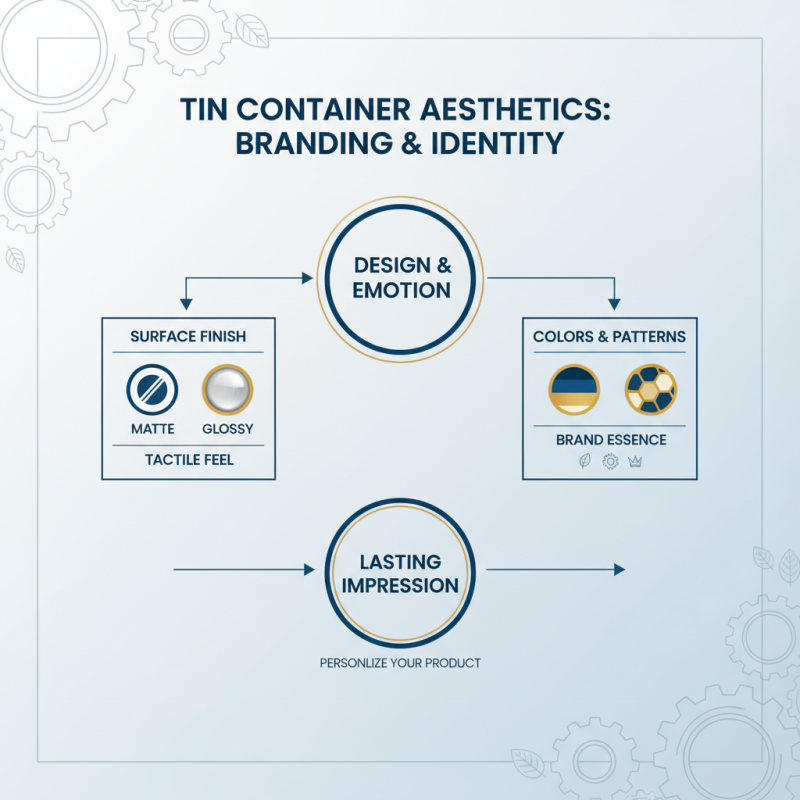
When selecting the best tin containers, design and aesthetics play a crucial role in conveying personal or brand identity. A well-chosen tin can evokes emotions and creates lasting impressions. The surface finish is important—matte or glossy can dramatically shift perceptions. When you visualize your product, think about colors and patterns that express your brand’s essence.
Tip: Think about how your design can tell a story. Incorporate elements that reflect your values. Customize the shape and size of your containers to stand out. Unique designs not only attract attention but also connect with your audience on a deeper level. However, keep accessibility in mind. Complex shapes may confuse users, detracting from functionality.
Branding goes beyond just visuals. Consider how the packaging feels in hand. The tactile experience can enhance perceptions. Choosing eco-friendly materials can align with consumer values. Yet, remember that sustainability reports may vary. Research thoroughly to ensure claims are reliable. A well-executed tin container can tell your story beautifully while enhancing consumer trust.
Considering Price, Quality, and Manufacturer Reputation in Selection
When selecting tin containers, price is often a primary consideration. You may come across a range of options, each varying in cost. However, the lowest price might not always guarantee quality. It’s essential to assess the balance between price and durability. Cheaper tins may corrode or lose their shape over time. Investing a bit more can save headaches later on.
Next, quality should never be overlooked. High-quality tin containers are made from thicker materials and feature a protective lining. This keeps the contents fresh and maintains the container's integrity. Check for reviews or feedback regarding the quality of the tins. Just because they look appealing doesn't mean they will perform well in the long run.
Lastly, reflect on the manufacturer's reputation. Trusted manufacturers often have a history of quality and reliability. Research their background and seek out any industry certifications they possess. This reflects a commitment to maintaining high standards. Making informed choices is crucial here; not all manufacturers adhere to the same level of excellence. Always take the time to investigate before making a decision.
Top 10 Tips for Choosing the Best Tin Containers
This chart illustrates the consideration factors when choosing the best tin containers based on price, quality, and manufacturer reputation. The prices are displayed on a scale of 1 to 10, with 10 indicating a higher consideration level.



 +8618680445103