Top Tips for Sourcing Metal Tin Suppliers Worldwide?
Sourcing Metal Tin suppliers globally is a complex endeavor. The Metal Tin market continues to grow, driven by its applications in packaging, electronics, and construction. According to a recent report by Smith Research, the global Metal Tin demand is projected to reach 350,000 tons by 2025. This growth reflects the importance of finding reliable suppliers in various regions.
Industry expert Dr. Laura Chen emphasizes the need for quality in sourcing Metal Tin, stating, “Choosing the right supplier can significantly impact product longevity and cost efficiency.” Navigating this market requires understanding the nuances of different suppliers. Potential challenges include quality assurance, ethical sourcing, and fluctuating market prices.
Research indicates that many businesses face difficulties due to a lack of transparency among suppliers. It’s essential to conduct thorough background checks and supplier audits. A well-informed sourcing strategy can result in long-term partnerships. However, reliance on a single supplier can be risky. Diversification can mitigate potential supply chain disruptions.

Understanding the Global Metal Tin Market Dynamics
The global metal tin market is shaped by various factors. Demand for tin is rising in electronics, packaging, and automotive sectors. Market trends indicate that countries with rich tin reserves are vital players. Understanding these dynamics helps suppliers and manufacturers make informed decisions.
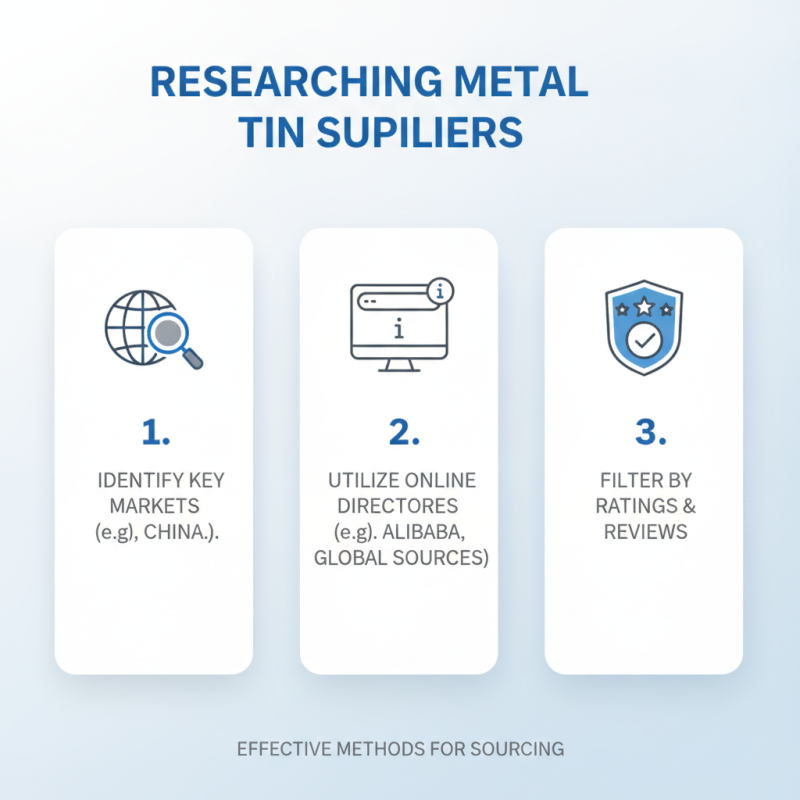
Sourcing metal tin suppliers requires awareness of regional production capabilities. Southeast Asia, particularly Indonesia and Malaysia, plays a significant role in tin supply. However, fluctuations in production can impact global prices. It is essential to establish reliable relationships with suppliers who can adapt to these changes.
Navigating the complexities of the global market can be challenging. Emerging trends, such as sustainability initiatives, are reshaping supplier expectations. Many suppliers are striving for environmentally friendly practices. This shift requires businesses to evaluate their options closely. It is crucial to stay updated on such developments while sourcing suppliers effectively.
Top Tips for Sourcing Metal Tin Suppliers Worldwide
Identifying Key Factors in Selecting Metal Tin Suppliers
Selecting the right metal tin supplier requires careful consideration of several key factors. Industry reports indicate that material quality tops the list. Suppliers should provide clear documentation of their tin's purity and compliance with international standards. In 2022, a market analysis revealed that 70% of manufacturers experienced issues related to inconsistent material quality. Ensuring that your supplier can produce consistent, high-grade tin is essential.
Another critical aspect is the supplier’s production capacity. According to recent data, 65% of supply chain disruptions arise from inadequate supplier capabilities. It's important to evaluate whether the supplier can meet your specific demands. Look for detailed insights into their production processes and timelines. Suppliers with advanced technology and efficient systems tend to deliver more reliably.
Lastly, consider the relationships and reputation of suppliers within the industry. A report from a leading trade journal highlighted that 75% of companies recommend sourcing suppliers with a strong track record of reliability. Connections, reviews, and testimonials can offer insights into a supplier's stability. However, remain cautious; not every well-reviewed supplier may meet your requirements. Each supplier should be assessed on individual merit and capacity to support your business needs effectively.
Top Tips for Sourcing Metal Tin Suppliers Worldwide
| Criteria |
Importance Level |
Recommended Action |
| Production Capacity |
High |
Request production forecasts |
| Quality Certifications |
Medium |
Verify ISO or other relevant certifications |
| Price Competitiveness |
High |
Compare multiple quotes |
| Lead Time |
High |
Confirm delivery schedules |
| Customer Service |
Medium |
Evaluate responsiveness and support |
| Sustainability Practices |
Low |
Inquire about environmental impact measures |
Evaluating Quality Standards and Certifications for Suppliers
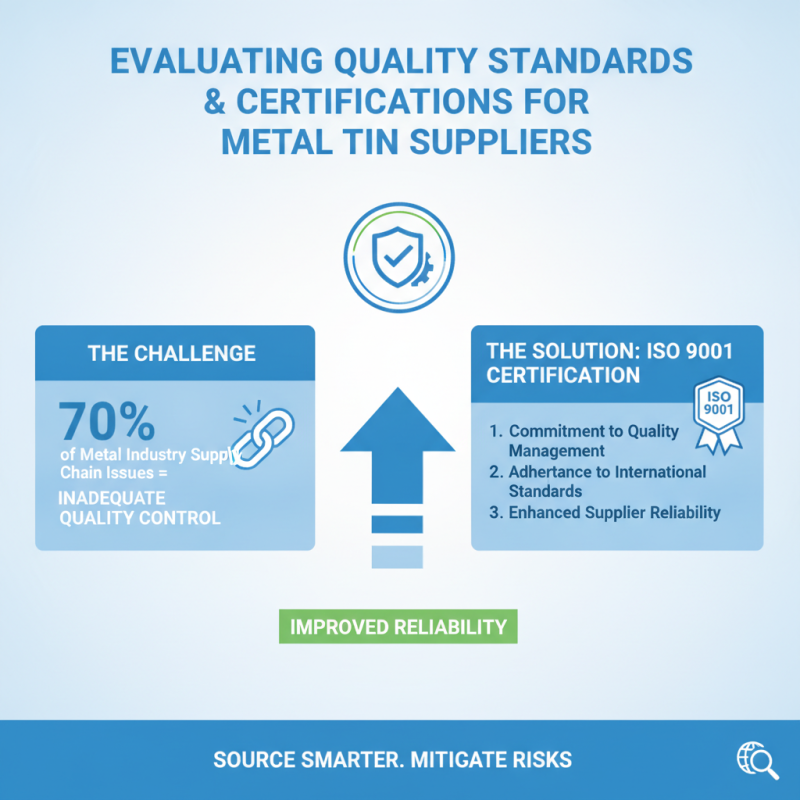
When sourcing metal tin suppliers, evaluating quality standards and certifications is crucial. Reports indicate that nearly 70% of supply chain issues in the metal industry stem from inadequate quality control. Suppliers with ISO 9001 certification demonstrate a commitment to quality management systems. This certification ensures they adhere to international standards, enhancing reliability.
Additionally, looking for certifications like ISO 14001 can signal a supplier’s focus on environmental responsibility. The global metal market increasingly values sustainability, with 52% of industry leaders stating they prefer suppliers with eco-friendly practices. Yet, not all certifications guarantee the same level of quality. It’s essential to assess the specific requirements and audits associated with each certification.
Beware of over-relying on certifications alone. Some suppliers may easily achieve certifications without thorough implementation. Regular audits and on-site evaluations might be necessary. A nuanced understanding of the supplier’s quality processes is vital. Gathering feedback from existing clients can provide additional insights into a supplier's reliability. Engaging with industry experts can also illuminate the practical implications of various certifications. Clear communication and continuous evaluation should remain priorities during supplier selection.
Building Long-Term Relationships with Metal Tin Suppliers
Building strong relationships with metal tin suppliers is essential for long-term success in sourcing. Industry studies indicate that companies often see a 20% increase in efficiency when they develop collaborative partnerships. Networking and regular communication are critical. Try to meet suppliers in person, whenever possible, to foster trust and understanding.
Consider these tips for maintaining a fruitful supplier relationship. Regular feedback loops help refine processes. Ensure transparency in operations to address potential issues proactively. Additionally, celebrate supplier successes. This acknowledgment can motivate your suppliers to improve quality and service.
It's crucial to evaluate supplier performance based on key metrics. A report by the World Metals Federation highlights that strong relationships can lead to reduced lead times and improved product quality. This shows the value of investing in your supplier network. Reflect on your current supplier collaborations and identify areas for improvement.



 +8618680445103