Top 10 Tips for Storing and Using Food Cans Efficiently?
Storing food cans efficiently can greatly improve your kitchen experience. Many people overlook the importance of proper storage for food cans. A cluttered pantry may lead to confusion and waste.
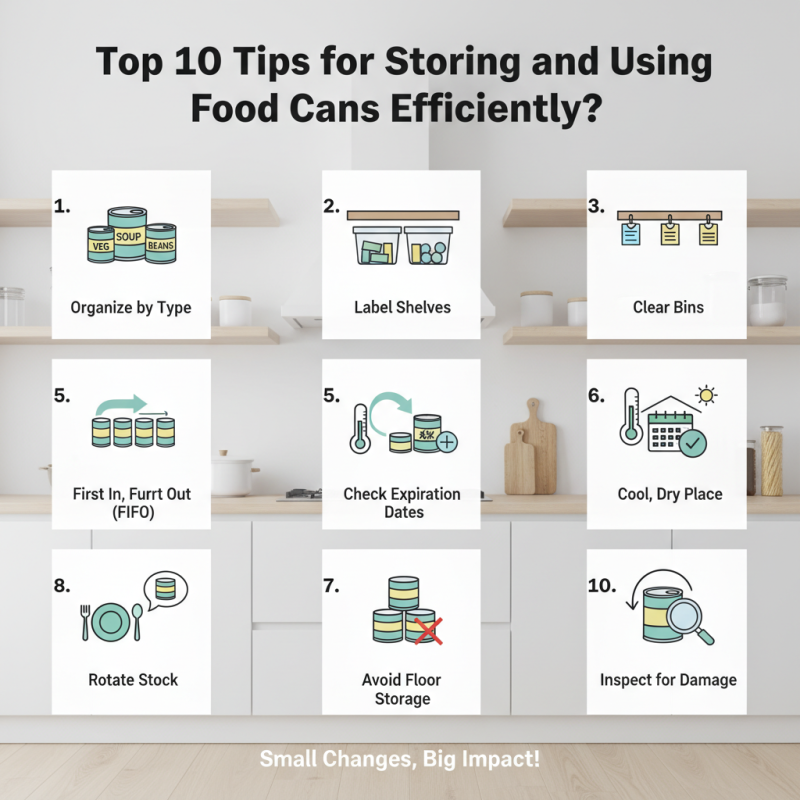
Effective storage starts with organization. Categorizing food cans by type helps you locate items quickly. Consider labeling shelves or using clear bins for easy visibility. This way, you can find what you need without digging through stacks. The right setup can save time and reduce frustration.
Using canned food wisely not only helps reduce waste, but can also save money. Planning meals around available canned goods encourages creativity. However, it’s crucial to check expiration dates often. Even though canned foods last long, some might spoil. A little reflection on your habits can lead to better choices. Efficient storage and usage of food cans is a small change that can make a big difference.
Choosing the Right Environment for Storing Food Cans
When storing food cans, the right environment is crucial. Cans should be kept in a cool, dry place. According to a study by the Food Safety and Inspection Service, temperatures above 70°F can lead to food deterioration. Excessive heat can compromise can integrity, affecting flavor and nutritional value.
Humidity also plays a significant role. The ideal humidity level should be under 15%. Ideal storage places often include pantries or dry basements. Avoid areas near stoves or appliances that generate heat. Dark spaces are best, as light exposure can degrade food quality over time. The USDA emphasizes keeping cans away from direct sunlight.
It is also important to rotate your stock. Use the FIFO method: first in, first out. Cans can expire. However, many cans are safe beyond their printed date if stored correctly. Regularly check for dents or rust. These can indicate potential contamination. Create a habit to inspect your cans yearly. You might find forgotten items or those that require closer attention. This not only maintains safety but also ensures you consume food at its best quality.
Understanding Expiration Dates and Can Lifespan
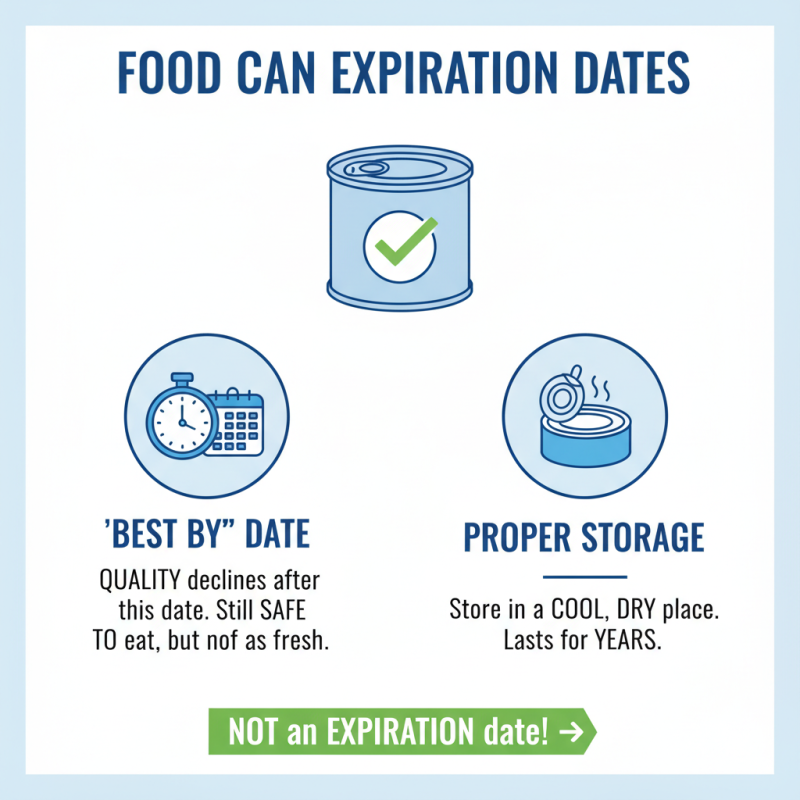
When looking at food cans, understanding expiration dates is crucial. Most canned goods last for years if stored correctly. However, the "best by" date isn't an expiration date. It indicates when the food is at its freshest. After this date, the food may still be safe, but quality can decline.
One tip for ensuring your canned food lasts is to store it in a cool, dry place. Excess heat can shorten its lifespan. A cluttered pantry might lead you to forget some cans, so stay organized. Check your inventory regularly. Marking the cans with the purchase date can be helpful too.
While canned food generally has a long shelf life, inspect the cans before use. Look for any bulging, rust, or dents. These could indicate spoilage. If you’re unsure, it’s better to toss it. Always prioritize your health over waste. Keeping a rotation system for your cans is vital, but it's easy to overlook. Use older cans first and replenish with new ones. This simple act can prevent potential waste and ensure you're eating the best quality food.
Organizing Cans for Easy Access and Rotation
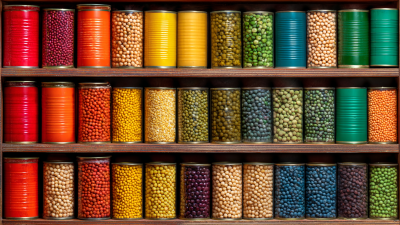
Organizing your food cans is crucial for efficient access and use. Start by categorizing your cans. Group similar items together, like vegetables, fruits, and proteins. This method increases efficiency. It allows for quick identification and retrieval. Use a shelf or a dedicated storage bin for each category.
Consider using a rotation system. Place the newer cans at the back and the older ones at the front. This ensures you use the oldest items first, reducing waste. Label your shelves or bins. Clear labels can save time and effort when you're in a hurry.
Remember to check your inventory regularly. This can help you identify what needs to be used soon. Decide whether you still need certain items. Unused cans can pile up quickly. Take a moment to reflect on what you consume most. This awareness can streamline your shopping and reduce clutter. Building an organized space for your cans is an ongoing process. Adjust your system as needed.
Top 10 Tips for Storing and Using Food Cans Efficiently
| Tip Number |
Tip |
Description |
| 1 |
Rotate Your Stock |
Use the FIFO method (First In, First Out) to ensure older cans are used first. |
| 2 |
Store in a Cool, Dry Place |
Heat and humidity can affect food quality; opt for a stable environment. |
| 3 |
Label Your Cans |
Use labels to indicate contents and expiration dates for easy identification. |
| 4 |
Keep Cans Off the Ground |
Elevated storage minimizes the risk of rust or contamination from the floor. |
| 5 |
Avoid Stacking Too High |
Stacking cans too high can cause them to topple; maintain stability. |
| 6 |
Use Clear Containers |
Store cans in transparent bins for easy visibility and access. |
| 7 |
Plan Your Meals |
Incorporate canned goods into meal planning to minimize waste. |
| 8 |
Check for Damage |
Regularly inspect cans for dents, rust, or leaks before use. |
| 9 |
Use a Can Organizer |
Consider a can rack or other systems designed for easy organization. |
| 10 |
Know the Expiration Dates |
Be aware of expiration dates; use soon-to-expire items first. |
Best Practices for Using Canned Goods in Cooking
Canned goods are versatile and convenient for any kitchen. They can simplify meal preparation and add variety to your dishes. When using canned items, it's important to consider their storage and preparation methods for best results.
Always give canned goods a thorough rinse before use. This helps remove excess sodium and unwanted preservatives. For example, rinsing canned beans can enhance their flavor in salads or soups. Also, check the expiration date. Consuming old cans can lead to food safety issues. Spoiled canned goods are not worth the risk.
When cooking with canned items, be creative. Canned tomatoes can be the base for a quick pasta sauce. Add herbs and spices for a fresh taste. However, remember that canned items may lack texture. This is where fresh ingredients can shine. Adding sautéed vegetables can elevate your dish. Don't hesitate to experiment. It’s normal to adjust as you go.
Finally, always store opened cans properly. Transfer leftovers to airtight containers. This practice retains freshness and prevents spoilage. Canned goods can be a staple, but handling them wisely makes a difference in flavor and health.
Top 10 Tips for Storing and Using Food Cans Efficiently
Safety Tips for Handling and Opening Food Cans
Handling and opening food cans safely is essential for preventing injuries and ensuring food quality. According to the Food Safety and Inspection Service, approximately 48 million people get sick from foodborne illnesses in the U.S. each year. Many of these incidents can stem from improper food handling, including canned goods. Always inspect the can for dents, rust, or swelling before use. A damaged can may indicate contamination.
When opening a can, use a proper can opener. Poor tools can cause jagged edges, increasing the risk of cuts. Ensure your hands are dry and clean. This reduces the chance of slips and ensures food safety. In a study by the CDC, nearly 30% of household injuries involve cuts from kitchen tools. Be mindful of your grip and open cans away from your body.
It’s important to store opened canned foods correctly. Transfer leftovers to a clean, airtight container. This helps maintain freshness and reduces spoilage. The USDA recommends consuming leftover canned food within three to four days. Yet, many people leave food in cans longer, risking their health. Awareness of these simple guidelines can enhance your food safety practices.



 +8618680445103