Top 10 Food Cans to Stock Up for 2025: Best Choices and Uses
As we look ahead to 2025, stocking up on essential food supplies has become increasingly vital, particularly in the realm of Food Cans. Renowned expert in food preservation, Dr. Laura Simmons, emphasizes, "The importance of canned food cannot be overstated, as it offers both convenience and extended shelf life, ensuring access to nutrition during unforeseen circumstances." With a focus on practicality and sustainability, food cans present an ideal solution for those preparing for the future.
In this comprehensive guide, we will explore the top ten food cans that are poised to make a significant impact in your pantry. From nutrient-dense vegetables to versatile proteins, each selection is meticulously curated to not only meet your dietary needs but also to provide ease of use in your daily meal planning. As we delve into these options, you'll discover how strategic stocking of food cans can enhance your kitchen's resilience and reliability.
Whether you're an avid prepper or simply looking to diversify your food supply, understanding the best choices and uses of food cans can help elevate your culinary experience while ensuring you're well-prepared for whatever lies ahead. Join us as we unveil the essentials for a fully stocked pantry in the coming years.
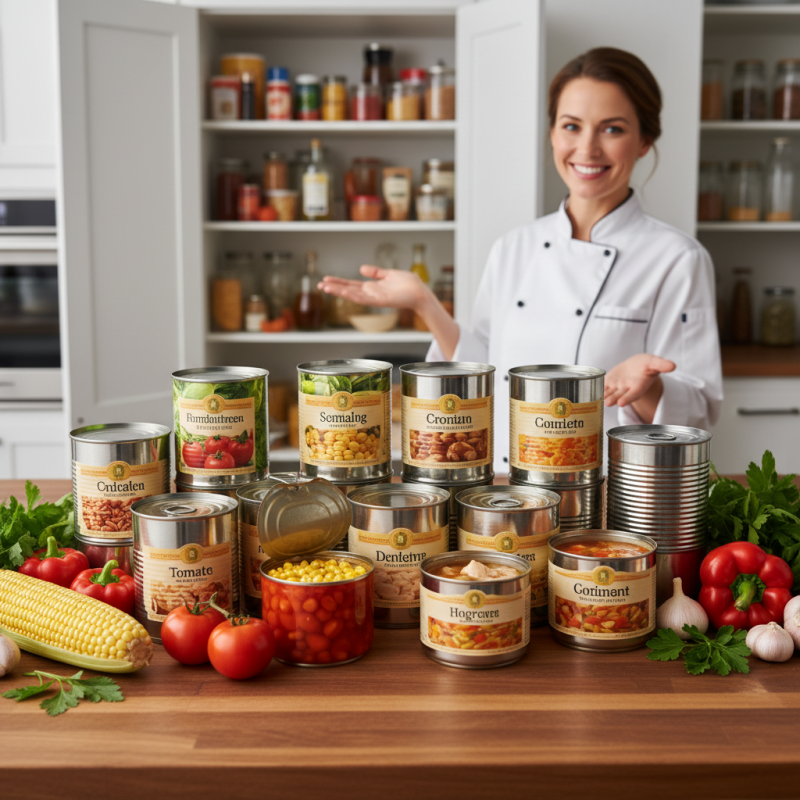
Top Canned Foods for Long-Term Storage in 2025
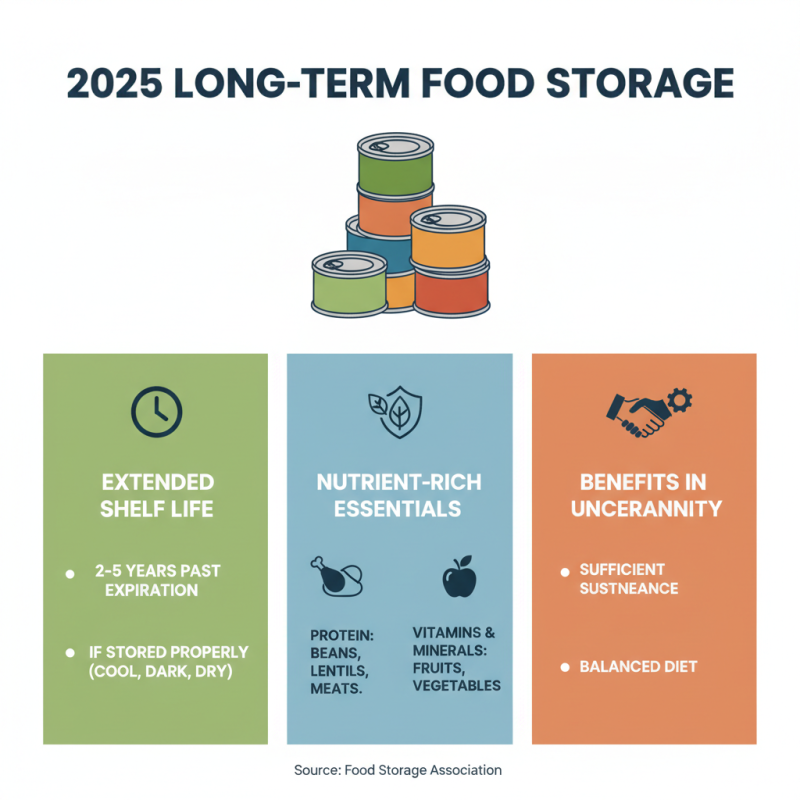
When considering long-term food storage for 2025, it's vital to choose canned foods that not only have an extended shelf life but also retain nutritional value. According to reports from the Food Storage Association, canned foods can last anywhere from 2 to 5 years past their printed expiration dates if stored properly. During times of uncertainty, stocking up on nutrient-rich options can be particularly beneficial. High-protein canned items such as beans, lentils, and various meats offer sufficient sustenance, while vegetables and fruits in cans provide essential vitamins and minerals, ensuring a balanced diet even in challenging times.
In addition, the National Center for Home Food Preservation recommends incorporating canned foods that are low in acidity, such as corn and green beans, as these tend to have a longer shelf life compared to higher-acid foods like tomatoes. This is crucial for long-term storage strategies, as low-acid foods can maintain flavor and quality for upwards of 5 years or more. Furthermore, opting for varieties packed in water or their natural juices avoids added sugars and preservatives, contributing to healthier dietary choices. By prioritizing these nutrient-dense and durable canned foods, individuals can create a reliable food supply that supports their health and wellbeing in the years ahead.
Nutritional Value Comparison of Popular Food Cans
When stocking up on canned food for 2025, it's essential to consider their nutritional value to ensure a well-rounded and healthy supply. Canned vegetables, such as green beans and corn, are rich in fiber and essential vitamins, making them a great choice for maintaining digestive health and overall well-being. High-protein options like canned beans and chickpeas can serve as great plant-based protein sources, ideal for keeping energy levels sustained. Additionally, canned fish, such as tuna or salmon, is packed with omega-3 fatty acids, contributing to heart health and cognitive function.
Tips: When choosing canned foods, look for options with low sodium and no added sugars to maximize health benefits. Opt for varieties that are packed in water or their own juices rather than syrup or heavy sauces, as this can significantly enhance their nutritional profile. Always check the expiration dates and consider the can’s material, as BPA-free options are more health-conscious.
Another important consideration is the variety of uses for your stocked canned foods. Canned tomatoes can serve as a base for sauces and soups, while canned fruits make excellent snacks or dessert toppings. Incorporating a diverse range of canned items into your meal planning can not only enhance nutrition but also make cooking quick and convenient, ensuring you have healthy meals ready whenever you need them.
Best Practices for Canned Food Storage and Preservation
When it comes to stocking up on canned food for the future, understanding best practices for storage and preservation is paramount. According to a report by the Food and Agriculture Organization, properly stored canned food can have a shelf life of anywhere from two to five years, depending on the food type and can integrity. To maximize this shelf life, it's essential to store cans in a cool, dry place away from direct sunlight. Temperature fluctuations can cause the cans to expand and contract, compromising their seals. Ideally, the storage area should stay between 50°F to 70°F (10°C to 21°C) to keep food quality intact.
Additionally, regular checks on your canned goods are crucial. The United States Department of Agriculture recommends periodically reviewing the contents of your pantry and rotating stocks—using the oldest cans first to ensure nothing goes to waste. Signs of spoilage, such as bulging cans, rust, or leaks, should prompt immediate disposal. Lastly, labeling your cans with purchase dates can help you stay organized and keep track of when to use or replace each item, ensuring that your food supply remains fresh and safe for consumption in the years ahead.
Market Trends in Canned Food Production and Consumption
The canned food market has seen significant growth over recent years, driven by changing consumer preferences towards convenience, the rising popularity of home cooking, and the need for long shelf-life products. According to a report by the Food and Agriculture Organization, the global canned food market is expected to reach USD 102 billion by 2025, with a compound annual growth rate of approximately 4.5%. This shift is largely attributed to consumers seeking nutritious, easy-to-prepare meals while managing busy lifestyles, particularly post-pandemic.
As canned food production evolves, sustainability has become a critical focus. Many manufacturers are investing in eco-friendly packaging and sourcing ingredients from responsible farms. Furthermore, innovations in preservation technologies are now allowing for better nutrient retention and flavor, making canned goods even more appealing. A survey by the National Canned Food Information Council reported that nearly 87% of consumers view canned food as a key component in their pantry, highlighting the importance of stockpiling a variety of options for future use.
Tips: To optimize your canned food storage, consider choosing a mix of vegetables, proteins, and sauces. Beans and lentils, for example, are excellent sources of plant-based protein and fiber. Additionally, be mindful of the expiration dates while rotating your stock, ensuring that older cans are used first to minimize waste. Storing your canned goods in a cool, dry place will also help maintain their quality and longevity.
Impact of Canned Foods on Emergency Preparedness Plans
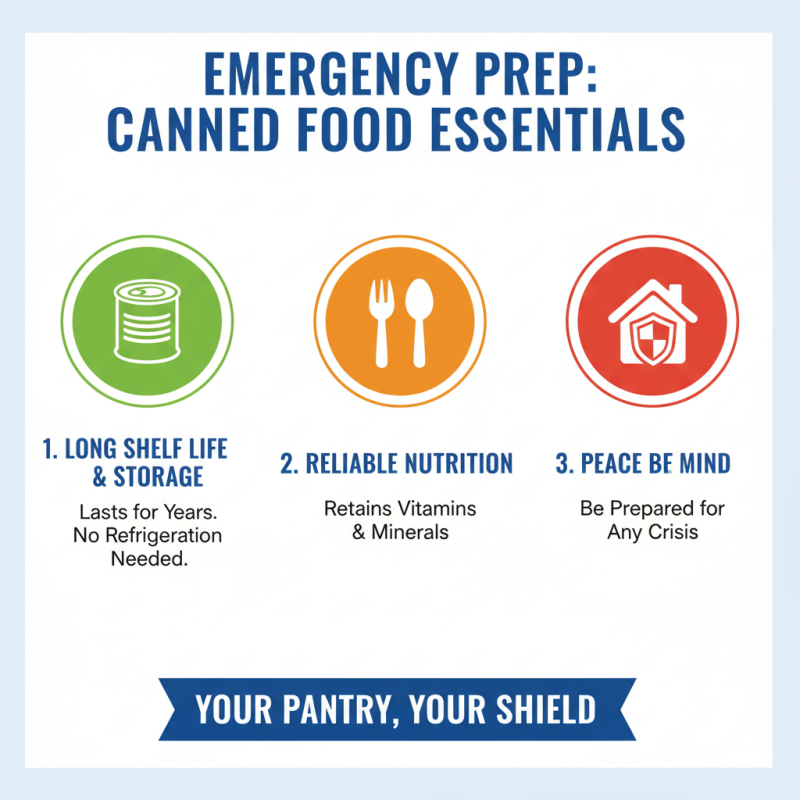
Canned foods play a crucial role in emergency preparedness plans, as they offer a reliable source of nutrition that is easy to store and has a long shelf life. When unforeseen circumstances arise—whether natural disasters, economic downturns, or global pandemics—having a well-stocked inventory of canned goods can provide peace of mind and sustain individuals and families throughout challenging times. Canned foods not only require no refrigeration but also retain their nutritional value, making them a practical choice for emergency kits or pantries.
Incorporating a variety of canned foods into your emergency preparedness strategy is essential. This can include items such as beans, vegetables, fruits, and meats, which can serve multiple purposes, from quick meal options to essential snacks. Ensuring a diverse selection is vital to prevent monotony and maintain morale when fresh food is scarce. Additionally, it's essential to regularly check expiration dates and rotate your stock, ensuring that food remains safe and ready for use. By carefully selecting and maintaining canned goods, individuals can enhance their resilience and readiness for whatever challenges may come in 2025 and beyond.


 +8618680445103