Top 10 Tin Box Designs For Your Global Sourcing Needs?
In the dynamic world of global sourcing, the significance of innovative packaging solutions cannot be overstated. Experts like John Smith, a leading figure in the Tin Box industry, aptly note, "A well-designed Tin Box can elevate your brand and captivate consumers." This emphasizes the crucial role that Tin Boxes play in product presentation and marketability.
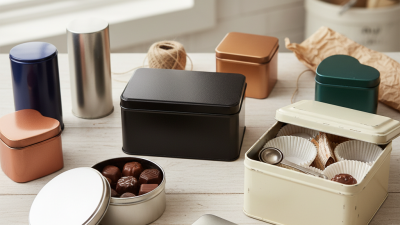
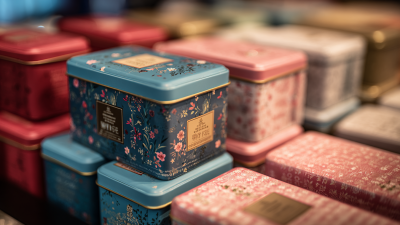
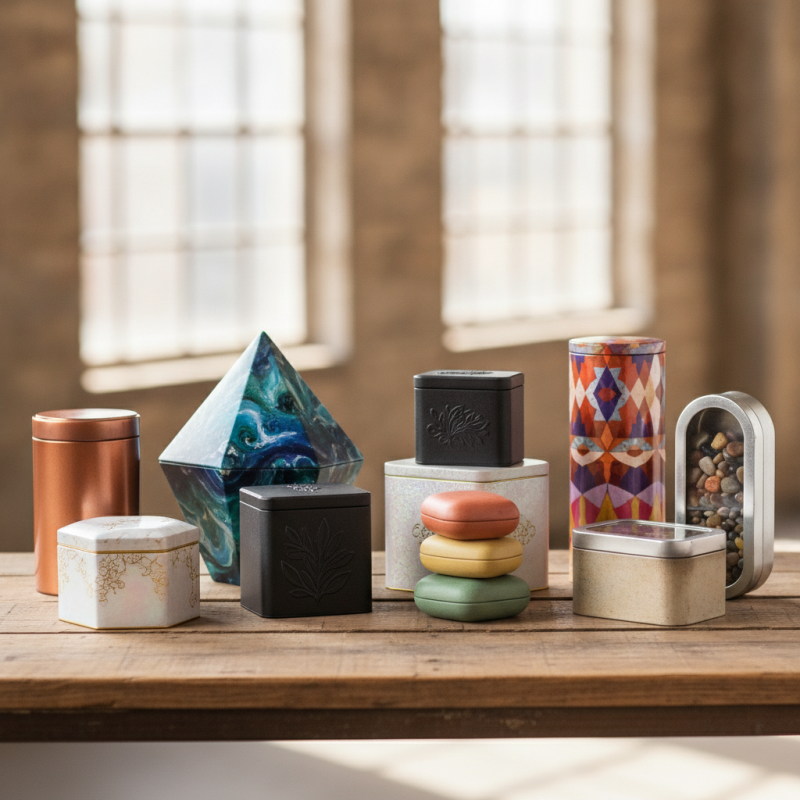
The demand for unique Tin Box designs continues to rise. Companies are seeking distinctive shapes, vibrant colors, and functional features that attract attention. Each design tells a story, reflecting both the product and the brand’s identity. Traditional square boxes are evolving, giving way to new shapes that capture consumer interest.
Yet, the journey to find the ideal Tin Box is not without challenges. Sourcing high-quality materials is essential for durability and aesthetics. Brands must also consider sustainability in their design choices. Balancing creativity with practicality requires careful thought. As the market grows, so does the complexity of sourcing the right Tin Box.
Top Trends in Tin Box Design for Global Sourcing in 2023
In 2023, tin box designs are evolving to meet global sourcing demands. The focus is on sustainability. Manufacturers are using eco-friendly materials to appeal to conscious consumers. This trend reflects a shift towards responsible sourcing practices. Bright colors and intricate designs are also gaining popularity. These designs capture attention and enhance brand visibility.
Another significant trend is personalization. Brands are opting for custom designs that resonate with their target audience. This approach enhances customer engagement. Limited-edition releases are becoming common, creating a sense of urgency and exclusivity.
However, it’s essential to balance creativity with functionality. Some designs may look stunning but can be impractical for storage. Brands must ensure that packaging is user-friendly. Additionally, the challenge lies in choosing the right materials that are both appealing and cost-effective. As the market keeps changing, adaptability remains crucial for success in tin box design.
Top 10 Tin Box Designs For Your Global Sourcing Needs
| Design Trend |
Description |
Popularity Rating |
Best Use Cases |
| Vintage Style |
Designs that evoke nostalgia with classic patterns and muted colors. |
★★★★★ |
Gift items, collectibles |
| Minimalist Design |
Simple and clean lines with a focus on functionality. |
★★★★☆ |
High-end products, tech gadgets |
| Eco-friendly Designs |
Materials and designs that emphasize sustainability. |
★★★★☆ |
Organic products, snacks |
| Bold Colors |
Bright colors and patterns that stand out on shelves. |
★★★★☆ |
Children's products, candies |
| Artistic Illustrations |
Custom artwork and illustrations that tell a story. |
★★★★★ |
Premium gifts, artisan products |
| Interactive Packaging |
Designs that include QR codes or augmented reality elements. |
★★★★☆ |
Tech products, promotional items |
| Geometric Patterns |
Stylized designs utilizing geometric shapes and lines. |
★★★★☆ |
Modern gifts, home decor |
| Retro Typography |
Text styles reminiscent of past decades. |
★★★★☆ |
Food items, fashion products |
| Luxury Finishes |
Metallic or matte finishes elevating product presentation. |
★★★★☆ |
High-end gifts, cosmetics |
| Custom Shapes |
Unique tin box shapes that match product themes. |
★★★★★ |
Themed gifts, promotional products |
Importance of Eco-Friendly Materials in Tin Box Production
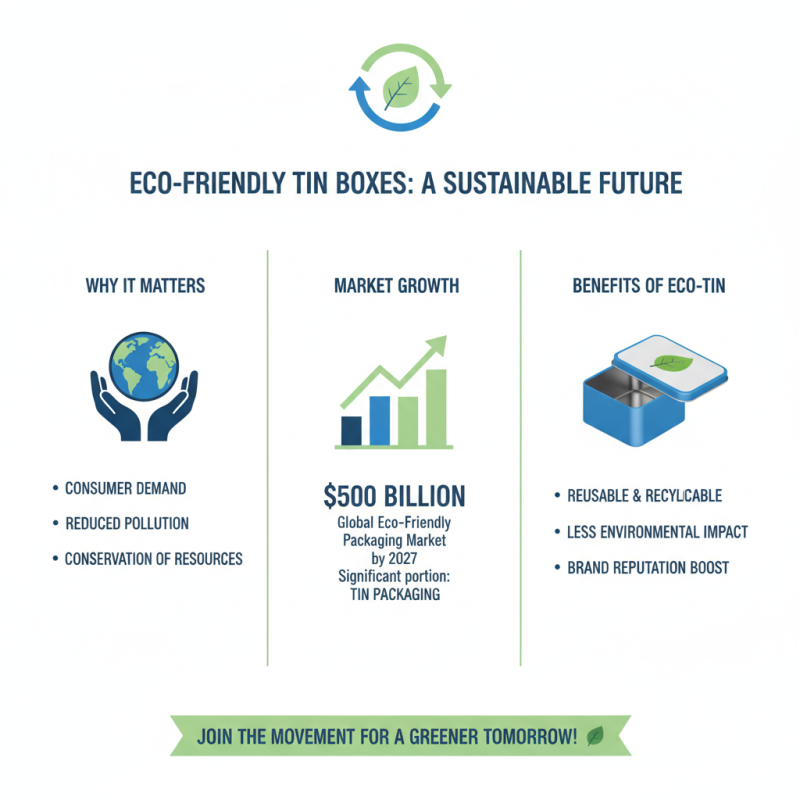
Eco-friendly materials play a vital role in tin box production. As consumer awareness grows, manufacturers face pressure to adopt sustainable practices. Reports indicate that the global eco-friendly packaging market is expected to reach $500 billion by 2027, with a significant portion attributed to tin packaging.
Using recycled tin significantly reduces energy consumption. It takes 95% less energy to produce new tin from recycled sources compared to mining. Many companies are already making strides in sourcing recycled materials, yet challenges remain. Some producers still rely heavily on virgin sources, leading to higher emissions.
Incorporating bioplastics into designs is another area gaining traction. Research shows that bioplastics can offer similar durability while being biodegradable. However, scalability remains an issue. Not all manufacturers have access to this technology or the commitment to invest in these materials. The balance between functionality and sustainability continues to present obstacles that require reflection and innovation.
Key Features to Consider When Choosing Tin Box Designs
When choosing tin box designs for global sourcing, several key features can guide your decision. Consider the size and shape that best fits your product. Custom dimensions can enhance storage and display. A well-thought-out design allows the box to serve its purpose effectively while attracting potential buyers.
The finish of the tin box is equally important. Matte, glossy, or textured options each convey a different aesthetic. Reflect on how the finish can impact customer perception. Durability is another crucial element. High-quality materials ensure that the boxes withstand international shipping without damage. Ask yourself if the design communicates quality and reliability.
Finally, consider the printing options available. Vibrant colors and intricate graphics can greatly enhance appeal. Ensure the design aligns with your brand's identity. However, be cautious of designs that may overwhelm. There is beauty in simplicity. A clear focus will help your product stand out in a crowded market. Would simpler packaging be more effective?
Market Analysis: The Growth of Tin Box Packaging in Global Trade
The tin box packaging market is experiencing remarkable growth. According to a recent market report, the global tin box packaging industry is projected to reach $5.5 billion by 2027. This is driven by diverse applications in food, cosmetics, and electronic sectors. Consumers are increasingly attracted to vintage aesthetics combined with modern functionality.
Moreover, eco-conscious consumer behavior is reshaping the market. Many view tin boxes as sustainable options. The recycling rate for tin is around 95%, emphasizing its environmental benefits. This factor is essential for companies aiming to meet sustainability targets. The need for innovative designs is evident. However, it's crucial for manufacturers to balance aesthetics with functionality—a challenge that remains prevalent in the industry.
While growth is promising, potential pitfalls exist. Quality control can be inconsistent among suppliers, impacting brand reputation. Companies must navigate varying regulations globally. As firms engage in global sourcing, staying updated on market trends is vital. Continuous market analysis will guide businesses to adapt to evolving consumer preferences.
Top 10 Tin Box Designs for Global Sourcing: Market Analysis
Case Studies of Successful Tin Box Designs in Various Industries
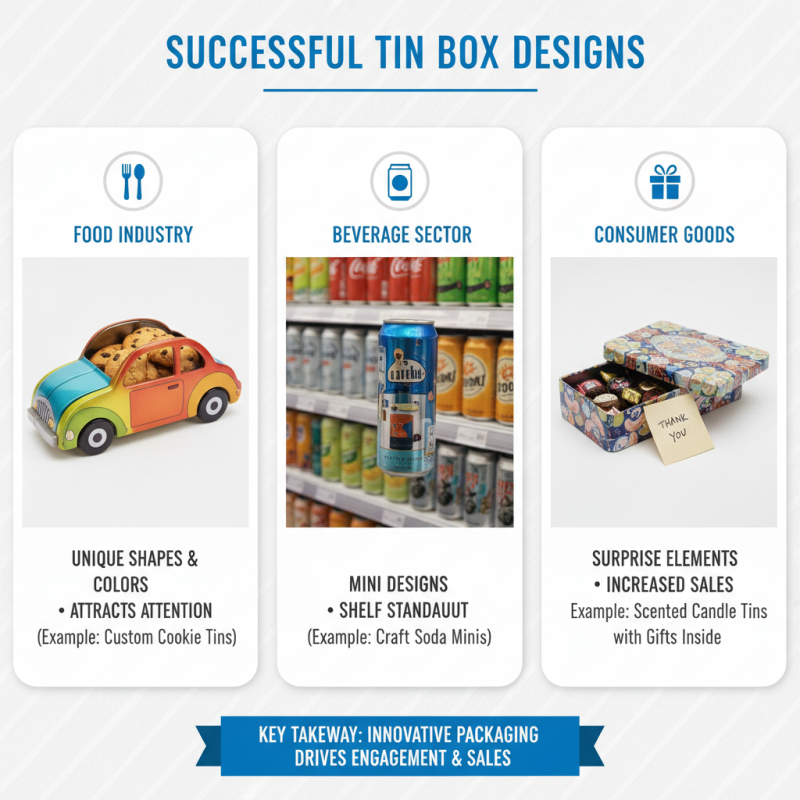
When exploring successful tin box designs, various industries provide inspiring case studies. For instance, in the food sector, unique shapes and vibrant colors can attract attention. A beverage company used a mini tin can design to stand out on shelves. Consumers appreciate surprises in packaging, leading to increased sales.
In the cosmetics industry, custom tin boxes add a premium feel. One brand opted for a matte finish with embossed patterns. This design not only enhances aesthetics but also improves tactile experience. However, it’s vital to ensure that such designs remain environmentally friendly. Using recyclable materials is essential in today’s market.
**Tip:** Always consider your target audience when designing. Their preferences and cultures can influence what resonates with them. Moreover, conducting focus groups can provide invaluable feedback early in the design stage. Reflect on whether flashy designs overshadow functionality, and strive for balance.


 +8618680445103