 +8618680445103

Free Standard Samples can be provided for you to check the quality.
Leave Your Message


For global buyers, selecting reliable Tin Containers manufacturers requires more than comparing prices on a supplier list. Container quality affects product protection, shelf appeal, shipping efficiency, and customer confidence. A dependable manufacturer should provide clear material specifications, consistent dimensions, secure closures, and documented quality controls.
Packaging expert David Luttenberger is widely quoted as saying, “Packaging is a silent salesman.” That idea remains practical today. A well-made tin container can communicate durability before the package is opened. Its smooth lid, clean seams, and precise printed finish are easy to notice on a retail shelf. Small details matter.
This guide examines leading Tin Containers manufacturers and suppliers serving international buyers. It considers production capacity, customization, tooling support, minimum order quantities, export experience, and response speed. Buyers should also review tinplate thickness, coating suitability, food-contact documentation, corrosion resistance, and closure performance. Samples should be tested before large-scale purchasing.
Factory audits can reveal important realities. A polished website cannot confirm production discipline. Ask for inspection records, packaging methods, lead-time data, and references from comparable markets. Some suppliers offer attractive prices but weaker color consistency or slower replacement support. Others may have excellent equipment but limited flexibility for smaller orders.
No supplier is perfect. Even experienced buyers can overlook mold costs, port delays, or artwork approval time. Careful evaluation reduces those risks. The best choice balances technical reliability, transparent communication, commercial value, and long-term service. That balance is often more valuable than the lowest quotation.
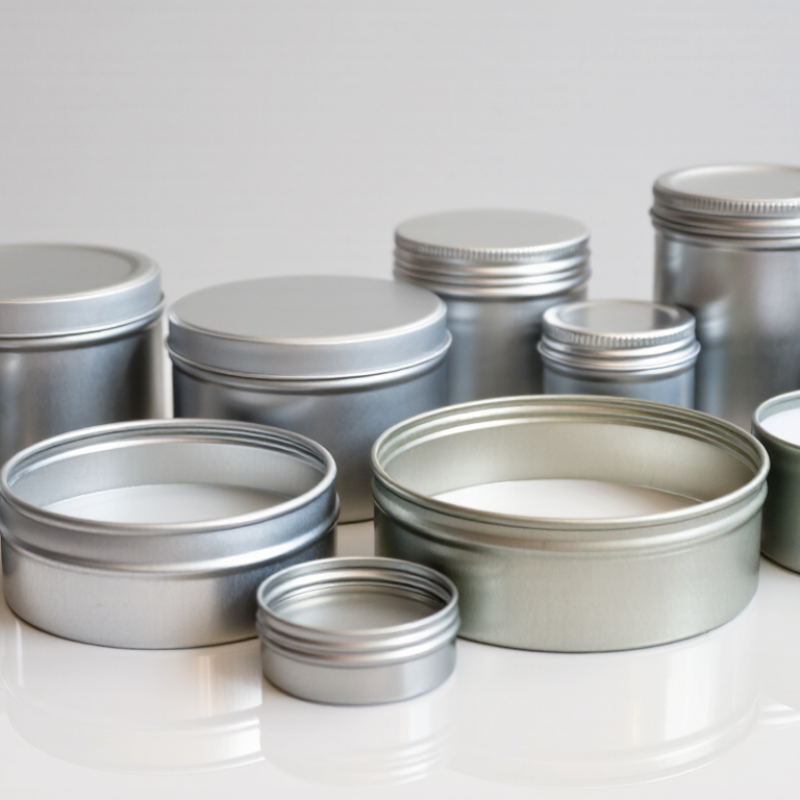
Tin containers serve different industries because their shapes, closures, and coatings solve specific storage problems. Three-piece cans are common for processed foods, oils, and dry ingredients. Their welded side seams support efficient filling lines and long shelf life. Two-piece drawn cans suit smaller food portions and lightweight products. They have fewer seams, which can reduce leakage risks. However, their forming limits may restrict unusual shapes.
Open-head tin pails are practical for coatings, adhesives, lubricants, and industrial powders. A removable lid allows workers to inspect contents without damaging the container. Tight-head versions provide stronger closure control for liquids during transport. Slip-lid tins often hold biscuits, tea, waxes, and household products. Their simple opening makes repeated access convenient. Small screw-top tins work well for creams, samples, and maintenance compounds. Interior lacquer selection matters, especially when contents may react with bare metal.
In packaging audits, I check seam quality, lid fit, coating adhesion, and stacking strength. A container can look excellent yet fail after vibration testing. That detail is easy to miss. Food applications require suitable internal coatings and traceable production controls. Industrial users should also review closure torque, wall thickness, and pallet performance. Some suppliers provide standard sizes only, while others support custom printing and tooling. Custom designs improve shelf visibility, but they can increase lead times and minimum order quantities. The right choice depends on filling equipment, storage conditions, product chemistry, and handling frequency. No single tin format fits every factory.
| Tin Container Type | Typical Shape and Capacity | Common Material and Thickness | Closure or Opening Style | Common Industrial Uses | Key Functional Benefits | Important Buyer Considerations |
|---|---|---|---|---|---|---|
| Round Tin Cans | Diameter commonly 50–180 mm; height commonly 25–220 mm; capacities from approximately 50 ml to 5 L. | Tinplate steel, typically about 0.18–0.30 mm thick, depending on size and required strength. | Slip-on lid, press-fit lid, pull-tab end, or seamed easy-open end. | Biscuits, confectionery, tea, coffee, spices, candles, cosmetics, polishes, and small hardware products. | Stackable Efficient use of shelf and warehouse space; strong cylindrical structure; suitable for printed decoration. | Confirm internal coating compatibility, food-contact compliance where applicable, lid fit, seam quality, and required stacking load. |
| Rectangular and Square Tins | Typical footprints range from 60 × 40 mm to 300 × 220 mm; capacities commonly 100 ml to 10 L. | Tinplate steel, generally about 0.18–0.35 mm thick for small and medium packages. | Slip lid, hinged lid, friction-fit lid, or seamed metal end. | Cookies, gift sets, confectionery assortments, stationery, promotional kits, shoe-care products, and general consumer goods. | Space efficient Flat surfaces provide a large area for labels, lithography, embossing, and graphics. | Check corner radius, lid tolerances, nesting performance, printing requirements, and protection against denting during transport. |
| Hinged-Lid Tins | Commonly 70–250 mm in length and 40–180 mm in width; capacities generally 100 ml to 3 L. | Tinplate steel, commonly about 0.20–0.30 mm thick; hinge components may use steel of a different gauge. | Attached hinged lid, often with a friction closure or snap-lock feature. | Breath mints, confectionery, tobacco accessories, sewing kits, first-aid items, cosmetics, and reusable storage products. | Reusable The attached lid reduces loss and supports repeated opening and closing. | Evaluate hinge cycle durability, closure retention, edge safety, internal clearance, and resistance to corrosion in humid environments. |
| Slide-Lid and Slip-Lid Tins | Usually 50–180 mm long; capacities commonly 30 ml to 1.5 L. | Light- to medium-gauge tinplate steel, often approximately 0.18–0.25 mm thick. | Sliding lid, friction-fit lid, or telescoping two-piece cover. | Solid perfumes, lip balms, waxes, mints, collectibles, small parts, promotional items, and craft supplies. | Quick access Compact format with a simple mechanism and low component count. | Specify sliding force, lid alignment, edge finishing, product leakage requirements, and compatibility with filling-line equipment. |
| Airtight Screw-Top Tins | Typical capacities range from 50 ml to 2 L; available in round, square, and specialty formats. | Tinplate or aluminum body with a metal or plastic-lined closure; thickness varies by design and sealing requirement. | Screw cap, threaded metal lid, or lined screw-top closure. | Spices, powders, balms, creams, laboratory materials, specialty chemicals, and moisture-sensitive products. | Resealable Supports repeated use and can provide improved protection from moisture when correctly lined and sealed. | Verify liner material, thread performance, torque requirements, vapor and moisture resistance, and applicable product-contact regulations. |
| Paint and Chemical Tins | Common capacities include 250 ml, 500 ml, 1 L, 2.5 L, 4 L, and 5 L; larger industrial sizes are also available. | Tinplate steel, commonly about 0.20–0.40 mm thick, with reinforced seams and an internal protective coating when required. | Friction-fit lid, lever-lock lid, or seamed end with a pour opening. | Paints, coatings, adhesives, sealants, inks, lubricants, cleaning chemicals, and maintenance compounds. | High strength Good barrier against light and many external contaminants; suitable for transport of viscous liquids. | Confirm chemical compatibility, UN transport certification when required, seam integrity, pressure and leakage performance, and dangerous-goods labeling needs. |
| Aerosol Tinplate Cans | Typical body diameters are about 45–66 mm; common capacities range from 100 ml to 750 ml. | Specially manufactured tinplate steel, commonly around 0.18–0.30 mm thick, formed as two-piece or three-piece cans. | Crimped valve cup with actuator and protective cap. | Personal-care sprays, household cleaners, air fresheners, paints, lubricants, and industrial maintenance products. | Pressurized packaging Provides a robust, light-resistant container for controlled dispensing. | Require pressure testing, correct valve and actuator matching, coating compatibility, transport compliance, and production-line crimp specifications. |
| Decorative and Promotional Tins | Custom shapes and sizes; commonly 50 ml to 5 L, depending on the product and merchandising concept. | Tinplate steel, often about 0.18–0.30 mm thick, with printed, embossed, debossed, or specialty-finish surfaces. | Slip lid, hinged lid, pull-off lid, or custom mechanical closure. | Seasonal gifts, branded merchandise, collectibles, premium food packaging, event kits, and retail displays. | High visual appeal Supports offset lithography, embossing, matte or gloss finishes, and reusable secondary packaging. | Review tooling costs, minimum order quantity, color-matching process, artwork tolerances, sample approval, and packaging protection during shipment. |
| Food Storage and Canning Tins | Common household and industrial capacities range from 100 ml to 10 L; shapes include round, rectangular, and pail-style formats. | Food-grade tinplate or tin-free steel with an approved internal lacquer; thickness often about 0.20–0.35 mm. | Seamed end, easy-open end, friction lid, or lever-lock lid, depending on the product. | Processed foods, dry ingredients, edible oils, powdered products, pet food, and long-life packaged foods. | Barrier protection Helps protect contents from light, oxygen, and physical damage when the container and closure are correctly specified. | Confirm food-contact documentation, coating suitability for acidic or sulfur-containing foods, sterilization conditions, seam inspection, and shelf-life testing. |
| Metal Pails and Open-Head Containers | Typical capacities include 5 L, 10 L, 15 L, 20 L, and 25 L; larger sizes are available for industrial applications. | Steel or tinplate construction, frequently about 0.35–0.80 mm thick, with reinforced rims and handles. | Lever-lock ring, removable cover, bung closure, or snap-on lid. | Lubricants, coatings, inks, adhesives, construction chemicals, agricultural products, and industrial powders. | Bulk handling Suitable for palletized distribution, manual handling, and filling of viscous or semi-solid materials. | Check UN certification where needed, handle strength, cover gasket performance, stackability, corrosion protection, and compatibility with filling equipment. |