Top 10 Tips for Sourcing Tin Containers Globally
The global market for tin containers is on the rise, driven by increasing demand in various sectors. According to a recent report by Smith & Co., the tin container industry is projected to grow at a CAGR of 5.3% over the next five years. This trend emphasizes the need for businesses to focus on effective sourcing strategies.
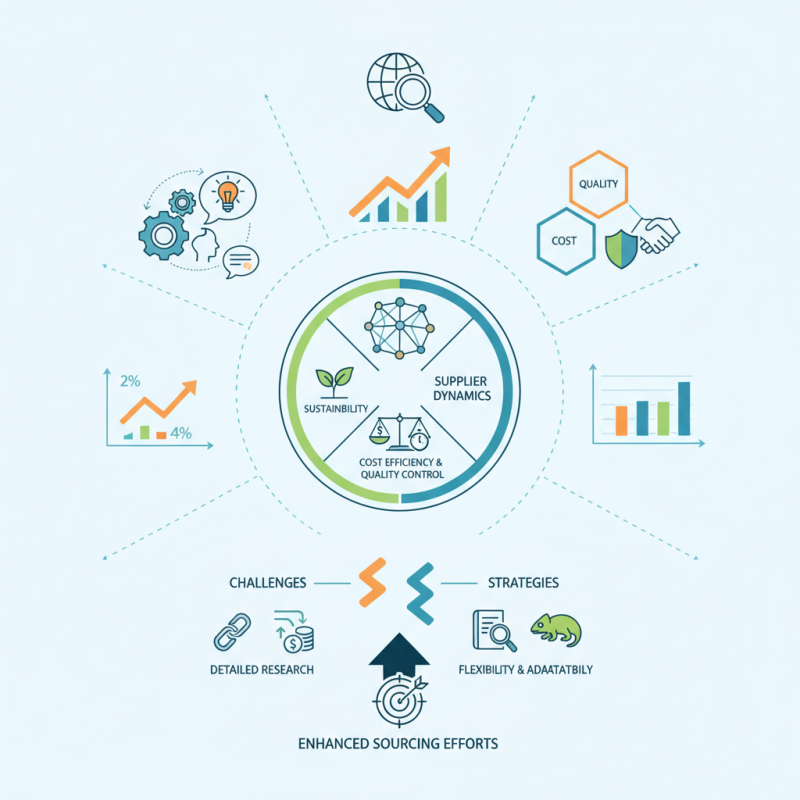
Experts, like Dr. Emily Chen, a renowned packaging consultant, state, "Sourcing tin containers globally requires a keen understanding of market dynamics and supplier reliability." Her insights highlight the complexity of navigating international supply chains. Companies must consider quality control, cost efficiency, and sustainability when sourcing tin containers.
However, the sourcing process is not without its challenges. Many businesses struggle with inconsistencies in supplier performance and fluctuating raw material costs. A successful strategy must incorporate detailed research and flexibility to adapt to changing market conditions. By prioritizing these aspects, companies can enhance their sourcing efforts for tin containers effectively.
Understanding the Global Market for Tin Containers
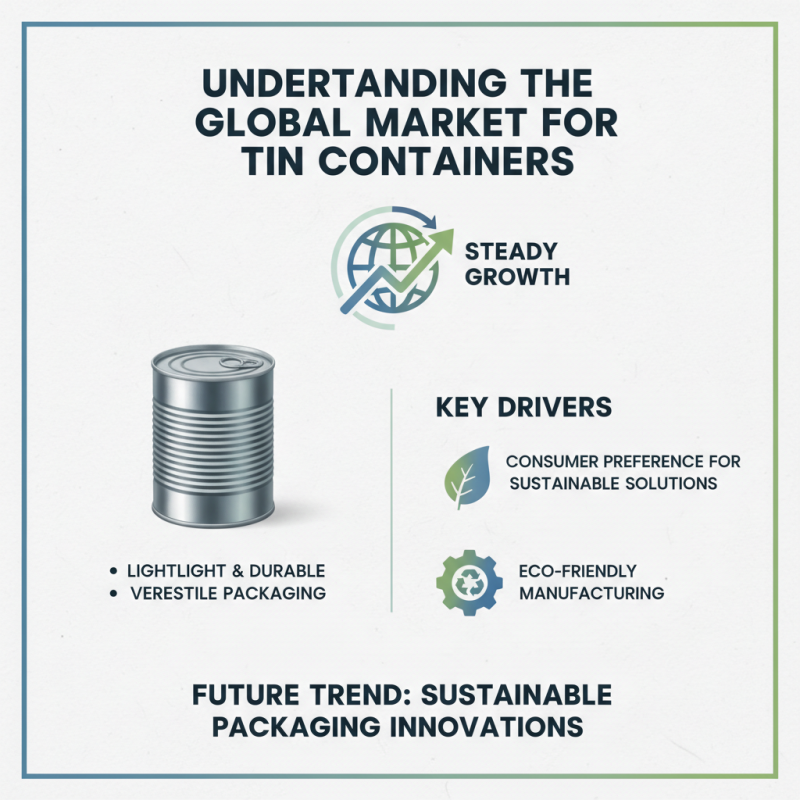
The global market for tin containers has shown steady growth in recent years. Businesses leverage the lightweight and durable nature of tin for various products. This trend is often driven by increasing consumer preference for sustainable packaging solutions. Many manufacturers explore eco-friendly processes to meet this demand.
Understanding regional differences is vital. For instance, Asia-Pacific remains a dominant production hub. Regions have unique characteristics that affect sourcing options and costs. North American customers often prioritize quality and compliance, which can influence procurement strategies. The nuances of tariffs and trade agreements also shape sourcing decisions.
Discrepancies in quality control can present challenges. Producers may struggle to meet international standards, leading to potential issues. Establishing trust with suppliers helps mitigate risks. Businesses must also consider the implications of global shipping logistics. These factors play a crucial role in ensuring timely delivery and maintaining product integrity.
Identifying Reliable Suppliers for Tin Containers
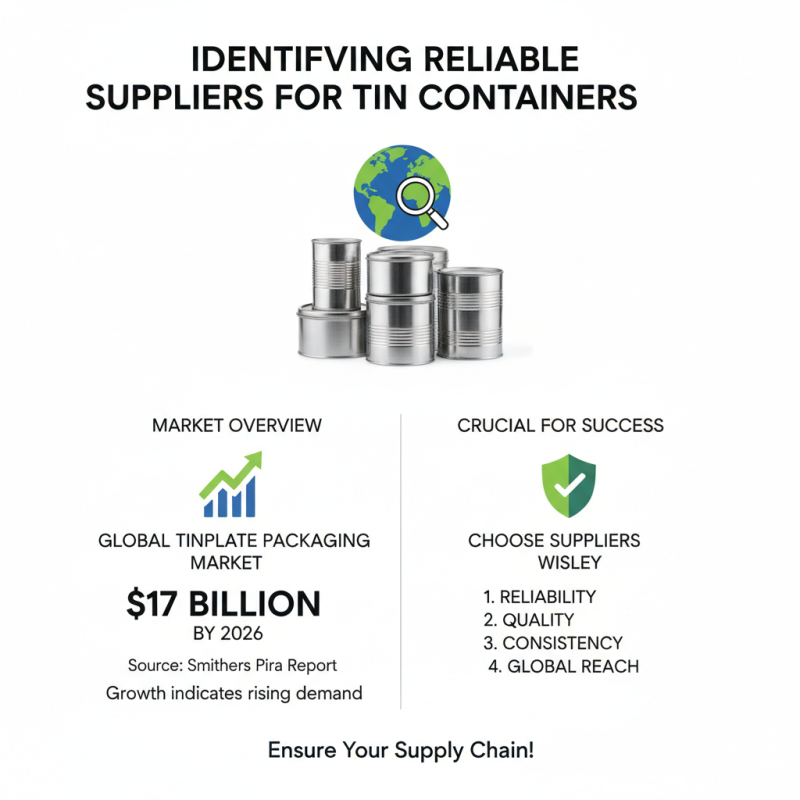
When sourcing tin containers globally, identifying reliable suppliers is crucial. According to a report by Smithers Pira, the global tinplate packaging market will reach $17 billion by 2026. This growth indicates rising demand, making it essential to choose suppliers wisely.
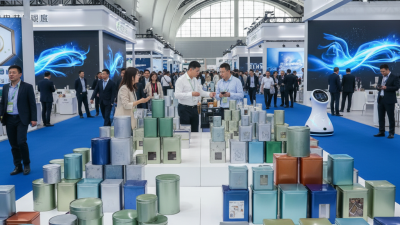
Build a solid supplier network. Attend international trade shows focused on packaging. Events like the Pack Expo provide opportunities to meet suppliers face-to-face. If a supplier showcases quality products, consider running a sample test. This can help ensure that the containers meet your quality standards.
Verify supplier credentials. Look for certifications such as ISO 9001 for quality management. This can indicate a supplier's commitment to consistency and reliability. Check online reviews and ratings, but interpret them cautiously. Not all reviews reflect factual information.
Conduct regular audits. This helps maintain supplier accountability and quality assurance. Maintaining strong relationships with suppliers encourages transparency. When suppliers are trustworthy, it fosters a collaborative working environment. Establish open communication lines for any supply chain issues.
Evaluating Quality Standards and Certifications for Tin Products
When sourcing tin containers globally,
quality standards and certifications are crucial.
The tin industry relies on various certifications to ensure product safety and sustainability.
A recent report by the International Tin Association revealed that about
75% of the global tin supply meets stringent quality standards.
This highlights the importance of selecting suppliers with verified certifications.
Evaluating certifications can be challenging. Many suppliers showcase industry standards like
ISO 9001 and ISO 14001. However, not all certifications are equal.
A study by the Global Packaging Alliance indicates that
40% of companies do not fully understand the impact of packaging certifications on their products.
This gap can lead to sourcing decisions that might compromise quality.
It’s essential to assess the actual practices of suppliers. Some may hold certifications but lack real compliance.
Regular audits and transparency in the supply chain can help.
A report from Smithers Pira suggested that over
30% of companies face challenges in verifying their suppliers’ claims.
Thus, developing a solid understanding of the certification landscape
is necessary to avoid pitfalls in sourcing tin containers.
Exploring Transportation and Logistics Options for Global Sourcing
Sourcing tin containers globally involves careful consideration of transportation and logistics. Understanding these elements can streamline your supply chain. Selecting the right shipping method is crucial. Air freight offers speed but at a higher cost. Sea freight is economical but slower. Evaluate your delivery timelines versus budget to find a balance.
Consider working with reliable logistics partners. They can navigate customs and handling protocols effectively. Some carriers may excel in specific regions but lack global experience. Verify their track records to avoid delays. Always have backup plans ready. Unexpected issues can arise, impacting timelines.
When sourcing, think about storage options. Prolonged transport times might require additional warehousing solutions. Analyzing your supplier’s location can help in choosing the best logistics path. Optimize routes to save on costs and time. Keep in mind that flexibility and adaptability are essential in this dynamic landscape.
Analyzing Cost Factors and Pricing Strategies for Tin Containers
When sourcing tin containers globally, cost factors heavily influence your pricing strategy. Understanding the supply chain is critical. Factors such as raw material costs, labor, and shipping impact the overall price. For instance, fluctuations in tin prices can significantly alter your budget. This volatility requires constant monitoring to ensure accurate financial planning.
Negotiating contracts with suppliers is also vital. Look for bulk purchase discounts. Explore regional price differences. Sometimes, local sourcing may be cost-effective despite higher raw material prices due to reduced shipping costs. Establishing relationships with multiple suppliers can create competitive pricing advantages.
However, don't overlook the potential pitfalls. Quality should never be sacrificed for cost. Poor-quality containers could harm your brand reputation. Additionally, consider the long-term consequences of your sourcing decisions. Assessing the environmental impact of production methods is increasingly relevant. Taking a moment to reflect on your sourcing strategies can yield better results in the long run. Balancing cost and quality is complex but crucial for successful sourcing.
Top 10 Tips for Sourcing Tin Containers Globally
| Tip Number |
Cost Factors |
Pricing Strategies |
Country of Sourcing |
Estimated Cost per Unit |
Lead Time (Days) |
| 1 |
Material Quality |
Bulk Purchasing |
China |
$0.75 |
30 |
| 2 |
Shipping Costs |
Negotiate Terms |
Vietnam |
$0.80 |
25 |
| 3 |
Tariffs and Duties |
Dynamic Pricing |
India |
$0.70 |
40 |
| 4 |
Supplier Reliability |
Price Lock Agreements |
Malaysia |
$0.85 |
35 |
| 5 |
Volume Discounts |
Cost Plus Pricing |
Indonesia |
$0.78 |
50 |
| 6 |
Quality Control |
Market Penetration Pricing |
Thailand |
$0.72 |
20 |
| 7 |
Market Trends |
Freemium Pricing |
Philippines |
$0.76 |
28 |
| 8 |
Sustainability Practices |
Anchor Pricing |
Turkey |
$0.88 |
45 |
| 9 |
Regulatory Compliance |
Value-Based Pricing |
Brazil |
$0.85 |
60 |
| 10 |
Market Access |
Competitive Pricing |
South Africa |
$0.90 |
55 |



 +8618680445103