Top Uses for Empty Cans in 2026 What Should Buyers Know?
In 2026, the conversation around empty cans is evolving. With environmental awareness rising, these items are gaining new significance. Instead of being mere trash, empty cans offer innovative solutions for everyday challenges.
Some see empty cans as mere recyclables. However, their potential extends beyond basic disposal. Creative thinkers are finding ways to repurpose them in gardening, home decor, and even organization. For example, a simple can can become a stylish planter or an effective storage solution. This shift highlights the importance of reimagining everyday waste.
But not everyone is on board with this trend. There are questions about the durability and safety of repurposed cans. Some might worry about rust or sharp edges. Thus, understanding how to work with empty cans is crucial. Not all uses are effective or safe. Careful thought and creativity can transform these items from clutter into functional pieces in our lives.
Best Practices for Repurposing Empty Cans in 2026
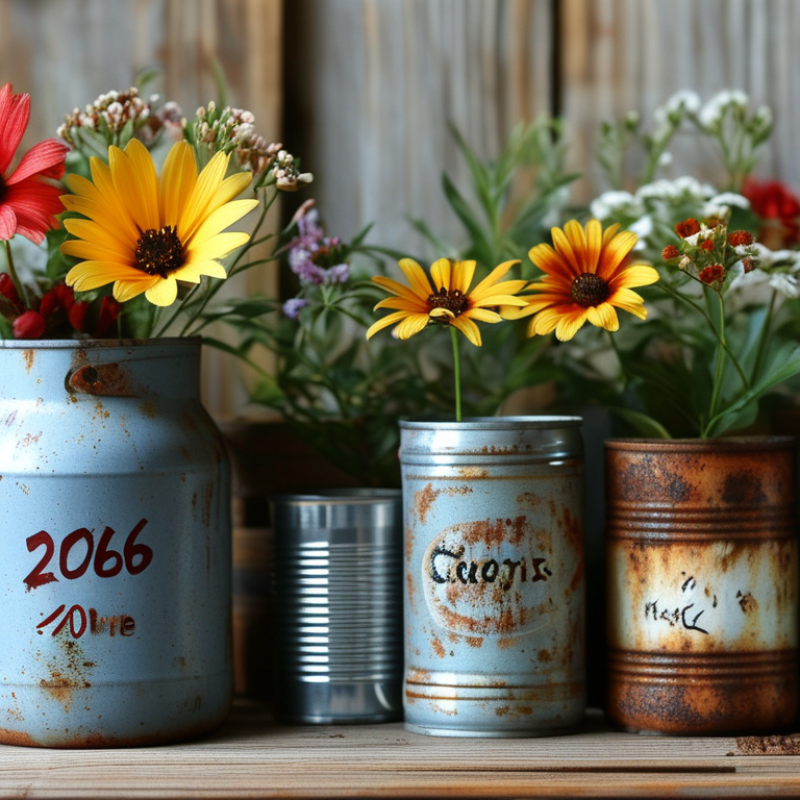
Repurposing empty cans can spark creativity and contribute to sustainability efforts in 2026. People can transform used food cans into innovative home decor items. For instance, painting them in vibrant colors can turn them into attractive flower pots. Adding drainage holes is essential for healthy plants. This approach not only adds charm to spaces but also reduces waste.
Another practical application lies in organizing items. Empty cans can serve as storage containers for pens, brushes, or small tools. A simple modification involves decorating them with paper or fabric to enhance their appearance. Secure them onto a board or a wall for a customized organizing solution. This simple act can reduce clutter while offering a touch of personality to home offices or workshops.
It's important to acknowledge that not every repurposed can project will be perfect. Some may not hold up well under certain conditions, leading to frustration. People should experiment with different methods and materials. Reflecting on these experiences can inspire better solutions in future projects. Embracing imperfections can foster a more innovative approach to upcycling in the coming years.
Top Uses for Empty Cans in 2026
This chart shows the estimated usage of various repurposing ideas for empty cans in 2026. The most popular way is using them as planters, followed by storage and craft projects.
Creative DIY Projects for Upcycling Empty Cans
Empty cans are often overlooked, yet they can be transformed into stylish and functional pieces through DIY projects. One popular idea is to create planters. With proper cleaning and drainage holes, you can grow herbs or small flowers. Painting the cans in bright colors adds a personal touch. These unique planters can beautify any space, from kitchens to balconies.
Another creative project involves making candle holders. By carefully cutting out designs in the sides, you can create stunning light patterns. Fill the can with wax and a wick, and you’ll have a beautiful centerpiece for your table. It’s essential to be cautious when working with sharp tools and hot wax. Mistakes can happen, and not every attempt will look perfect. But that’s the beauty of DIY—each piece tells a story.
For those interested in organization, empty cans can also be used as desk organizers. Cover them with decorative paper or fabric for a cozy look. Use them to hold pens, scissors, or small stationery items. While the result might not be magazine-ready, each organizer shows your creativity and resourcefulness. Embrace the imperfections; they are part of the journey in upcycling.
Environmental Benefits of Using Empty Cans
The environmental benefits of using empty cans extend far beyond mere recycling. These cans can often find new purposes in creative ways. For instance, gardeners may transform them into planters. This innovation not only repurposes waste but also creates a unique aesthetic for gardens and balconies. People typically enjoy decorating cans, adding colors or patterns that reflect personal style.
Using empty cans also helps in reducing landfill waste. It takes considerable energy and resources to produce new materials. By choosing to reuse, individuals contribute to resource conservation. However, not everyone sees the full potential of these items. Some throw them out carelessly, unaware of their impact on the environment.
Furthermore, there’s a community aspect to using empty cans. Local workshops and gatherings often promote creative recycling. Participants share ideas and materials. This exchange fosters a sense of community and environmental responsibility. Yet, it's a challenge to engage everyone. Some still overlook the value of creativity inherent in simple objects. By promoting awareness, there could be greater participation in sustainable practices.
Safety Tips for Handling and Transforming Cans
Empty cans can serve many creative purposes in 2026. However, safety should always come first when handling them. Even though they are seemingly harmless, sharp edges can pose a risk. When transforming cans into new items, it’s essential to wear gloves. This simple step can prevent cuts and injuries.
Many DIY projects involve cutting and shaping cans. Ensure you use proper tools to avoid accidents. Scissors or can openers designed for crafts are ideal. Be cautious when working with lids. They can be just as sharp as the can's edge. Additionally, avoid using cans that previously contained hazardous materials. Always wash them thoroughly before starting your project.
Finally, educate yourself about proper disposal methods. Recycling is beneficial, but it’s important to adhere to local guidelines. Not all regions accept altered cans. Confusion can lead to waste. Always check your community's recycling rules. Taking these precautions not only enhances safety but also ensures your creativity does not come at the cost of the environment.
Top Uses for Empty Cans in 2026 What Should Buyers Know? - Safety Tips for Handling and Transforming Cans
| Use Case |
Description |
Safety Tips |
Estimated Cost |
| Planters |
Transform empty cans into attractive planters for small plants or herbs. |
Ensure edges are smooth to prevent cuts; use a drainage hole. |
$2 - $5 per can |
| Storage Containers |
Use cans to organize small items like nails, screws, and buttons. |
Label cans and ensure lids are clean of sharp edges. |
Free - $3 depending on labels |
| Craft Projects |
Create art, decorations, or DIY projects using painted cans. |
Use non-toxic paint; supervise children during crafting. |
$5 - $20 depending on materials |
| Wind Chimes |
Hang cans with strings or wires to create unique wind chimes. |
Ensure all parts are securely attached; check for sharp edges. |
$10 - $15 for materials |
| Candle Holders |
Convert cans into stylish candle holders for ambient lighting. |
Keep away from flammable materials; do not leave unattended. |
$3 - $10 depending on candles |
Market Trends in Reusable Can Products for Consumers
The trend toward reusable can products is on the rise in 2026. According to a recent market analysis, the reusable can market is projected to grow by 25% annually. This significant growth indicates a shift in Consumer behavior toward sustainability. Buyers are increasingly interested in eco-friendly options. Empty cans can be reinvented into practical items for daily use, reducing waste.
One exciting use for empty cans is to convert them into storage solutions. For instance, a simple paint job can turn a mundane can into a decorative pencil holder. This creativity not only enhances living spaces but also encourages recycling. A survey by the Eco-Friendly Organization shows that 35% of consumers have adopted DIY projects using empty cans. Such projects nurture hands-on involvement and promote resourcefulness.
Tip: Before starting a DIY project, consider the size and shape of your cans. Different designs can serve various purposes. Remember, aesthetics matter. However, be aware that not all cans are suitable for crafting. Check for any surrounding sharp edges. Always prioritize safety when working on these projects.



 +8618680445103