What is Metal Tin Used For in Everyday Life?
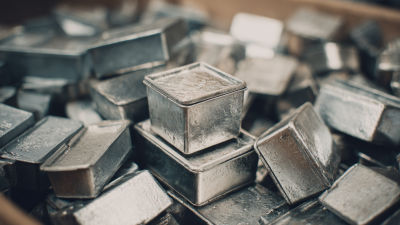
Metal Tin is a versatile element that plays a crucial role in our daily lives. Dr. Alice Thompson, an expert in materials science, once said, "Metal Tin is often overlooked, yet it enriches our experiences." From packaging to coatings, Metal Tin has a wide array of applications. It is primarily used in food cans, protecting our meals from spoilage.
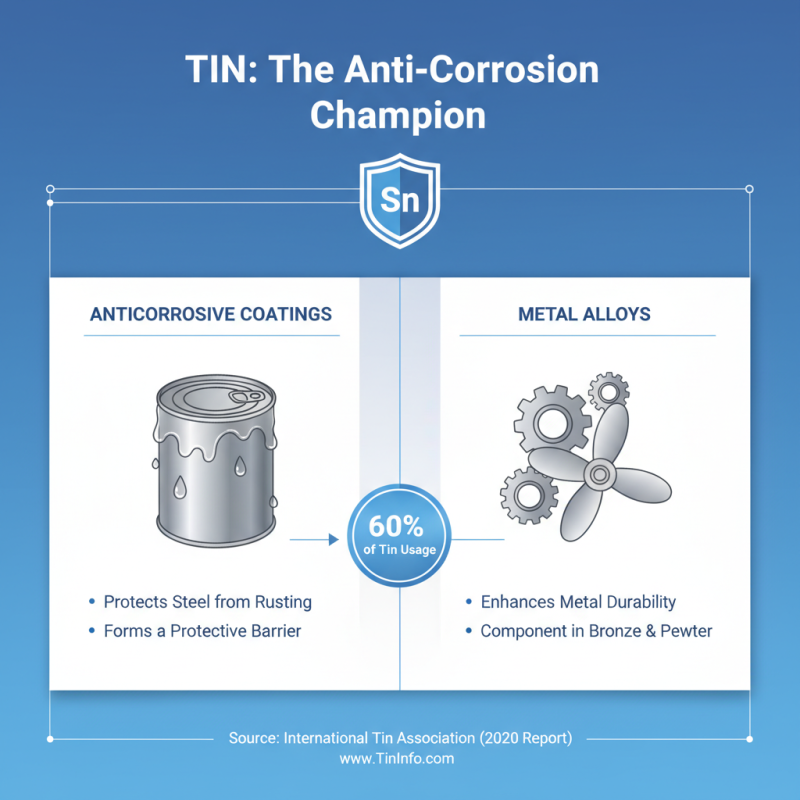
In addition to packaging, Metal Tin serves as a protective coating for other metals. This helps prevent rusting, extending the life of products. Interestingly, its utilization goes beyond practicality. Many people may not know that Metal Tin also finds its way into electronics, making devices more efficient.
Reflecting on these uses, it's essential to consider the sustainability of Metal Tin. How much longer can we rely on this metal? Its extraction and processing can have environmental impacts. We must think about balancing our love for this material with our responsibility to the planet. The importance of Metal Tin is undeniable, yet it invites deeper thought about our consumption patterns.

Uses of Metal Tin in Food Packaging and Preservation
Tin, a versatile metal, plays a crucial role in food packaging and preservation. Its resistance to corrosion makes it ideal for protecting food from environmental factors. Cans made of tin prevent light and air from spoiling the contents. This is essential for extending shelf life. For example, a tin can of vegetables can remain safe for years.
In addition to cans, tin is also used in foil packaging. Thin layers of tin foil wrap around foods like meat and cheese. This helps retain moisture and flavor. However, there are concerns about recycling these materials. Many local recycling centers do not accept tin foil. Committing to proper disposal is important for environmental health.
Some might argue that tin is not perfect. It can react with certain acidic foods. This can lead to off-flavors or health concerns. Ongoing research into safe alternatives continues. Despite its imperfections, tin remains an invaluable resource for food packaging in daily life. Its utility is clear, but reflection on environmental impacts is necessary.
Tin in the Manufacturing of Household Utensils and Cookware
Tin plays a crucial role in the manufacturing of household utensils and cookware. Its corrosion-resistant properties make it ideal for items we use daily, such as pots, pans, and baking trays. This versatility helps tin withstand high temperatures and various cooking environments. It also provides a non-reactive surface, preventing unwanted chemical reactions with food.
Moreover, tin lends a particular aesthetic quality to cookware. Many pots and utensils have a shiny, pleasing finish that enhances the kitchen's visual appeal. However, one must consider the durability of tin items. Over time, regular wear and tear can lead to scratches and dents. This wear may affect both appearance and functionality.
When using tin cookware, it is vital to handle it with care. Some cooking methods can degrade its quality. Additionally, it requires specific cleaning techniques to maintain its shine. As we embrace these utensils, we should reflect on their lifespan and environmental impact. How long will they serve us, and how will we dispose of them responsibly?
Usage of Tin in Household Utensils and Cookware
Applications of Tin in Electronics and Electrical Components
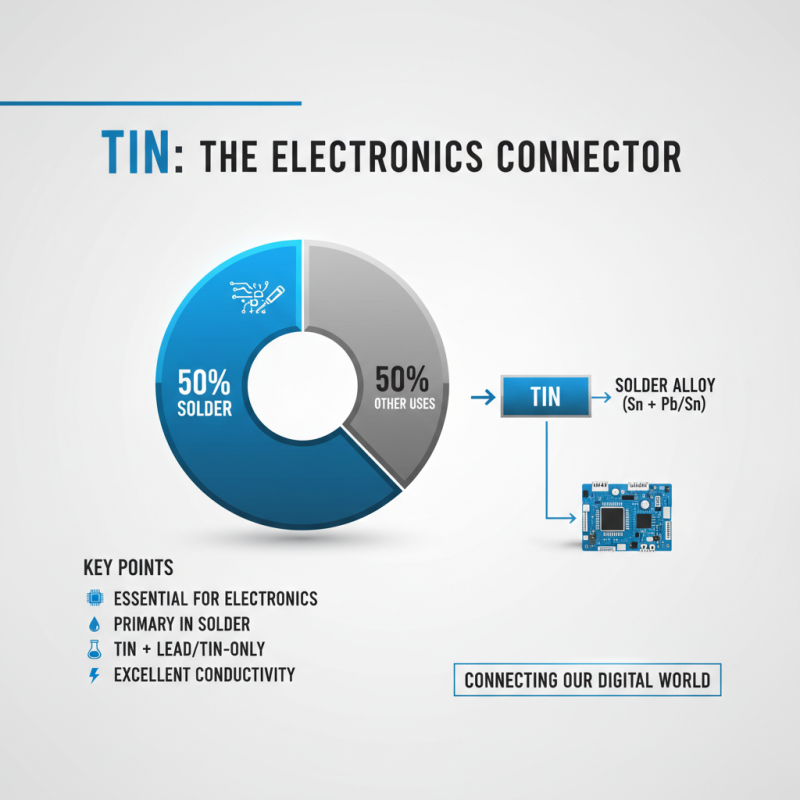
Tin plays a crucial role in the electronics sector. It is widely used in soldering. Solder is a mix of tin and lead or just tin. This combination allows for excellent electrical conductivity. Around 50% of tin produced is used in solder. This statistic highlights its importance in electronic components.
In addition to solder, tin is found in coatings. For example, it protects electronic parts from corrosion. Electroplating with tin improves durability. Reports indicate that tin coatings increase the lifespan of components significantly. This is especially relevant for devices exposed to moisture.
Another application is in tin alloys. Tin is mixed with other metals to form strong materials. For instance, used in connectors and circuit boards, these alloys are lightweight yet robust. Industry analyses show a growth in tin use in electronics, projected at 3% annually until 2028. However, the search for alternatives is ongoing, raising questions about sustainability.
Tin's Contribution to Sustainable Energy Solutions and Renewable Technologies
Tin plays a vital role in the field of sustainable energy solutions. It is a key component in many renewable technologies. For instance, tin compounds are used in solar cells. These cells convert sunlight into usable energy. They are crucial for the growing solar energy market. Tin helps improve the efficiency of these devices, making them more effective.
Additionally, tin is important in energy storage systems. It is used in advanced battery technologies. These batteries can store more energy and have a longer life. This is essential for electric vehicles and renewable energy systems. However, the mining and production of tin can raise environmental concerns. Finding sustainable sources of tin is a challenge. Efforts to recycle tin also need to be enhanced.
The balance between usage and sustainability must be considered. Tin's benefits in renewable technologies are clear. Yet, the impact of its extraction and processing should not be overlooked. It is important to weigh the advantages against the ecological footprint. As we advance, we must holistically address these issues surrounding tin in energy solutions.



 +8618680445103