• Facebook
  • twitter
  • Instagram
  • YouTube
Free Standard Samples can be provided for you to check the quality.
We respect your confidentiality and all information is protected.
Leave Your Message
*Name Cannot be empty!
* Enter product details such as size, color,materials etc. and other specific requirements to receive an accurate quote. Cannot be empty

What Are the 2026 Best Tin Boxes for Global Buyers?

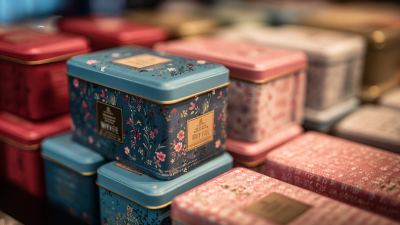
For global buyers, the best Tin Boxes in 2026 will balance protection, design, compliance, and cost. A polished surface alone is not enough. Buyers should examine steel thickness, closure strength, coating safety, and production consistency. These details matter when boxes cross oceans, face humidity, or sit on crowded retail shelves.

Packaging specialist Anne Marie Mohan offers a useful principle: “Packaging is a silent salesperson.” Her observation remains highly relevant to Tin Boxes. A well-made box can communicate quality before customers open it. Embossed logos, smooth hinges, clean color registration, and carefully rounded edges create that impression. However, appearance should never hide weak construction. That happens more often than buyers expect.

The strongest 2026 options will likely include recyclable steel, food-contact-safe coatings, practical stackability, and efficient shipping dimensions. Export buyers should also request material specifications, coating declarations, production samples, and inspection records. A dependable supplier should explain tolerances clearly, not simply promise “premium quality.” Ask how the factory controls dents, lid fit, odor, rust resistance, and printing variation.

Sustainability requires careful judgment. Steel is widely recyclable, but oversized tins and unnecessary inserts can increase transport emissions. Smaller is not always better. A compact box may protect products poorly and create more waste through damage. This is where buying decisions become less simple. The best choice depends on product weight, destination, shelf life, branding goals, and order volume.

This guide compares leading Tin Boxes for international purchasing. It focuses on real performance, not attractive photographs. Some conclusions may change as coatings, freight costs, and regional requirements evolve. That uncertainty deserves attention. Reliable sourcing is an ongoing review, not a one-time decision.
What Are the 2026 Best Tin Boxes for Global Buyers?

What Defines the Best Tin Boxes for Global Buyers in 2026?

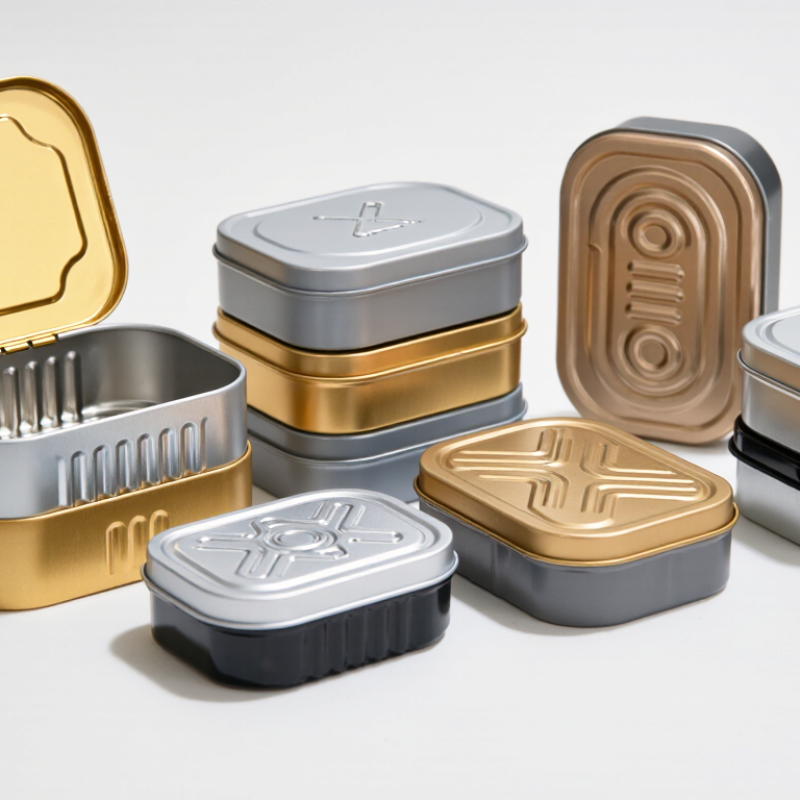
The best tin boxes for global buyers in 2026 will balance protection, recyclability, and practical design. According to Eurostat, the European Union recycled about 76% of metal packaging waste in 2022. That figure supports tin’s circularity advantage. However, recyclability depends on collection systems, coatings, and material separation. A box with excessive plastic inserts may weaken its environmental claim.

Smithers’ 2024 metal packaging analysis highlights lightweighting, efficient production, and premium decoration as major market priorities. Therefore, buyers should check steel thickness, lid fit, corrosion resistance, and stacking performance. These details matter during long ocean shipments. A loose lid can expose products to humidity. A sharp edge can damage workers or packing equipment. Small defects become expensive at scale.

Experience also shows that appearance alone is a weak purchasing standard. A matte finish may look refined, but fingerprints and scratches can appear quickly. Food-contact applications require documented migration testing and traceable coatings. Export buyers should request material certificates, factory inspection records, and test samples from different production batches. I would not assume every “recyclable” claim is equally reliable. Some suppliers provide excellent samples but inconsistent mass production. That gap deserves attention. A truly suitable tin box should protect its contents, survive regional logistics, and meet the buyer’s local packaging requirements without unnecessary complexity.

How Tin Box Materials and Manufacturing Standards Compare

What Are the 2026 Best Tin Boxes for Global Buyers?

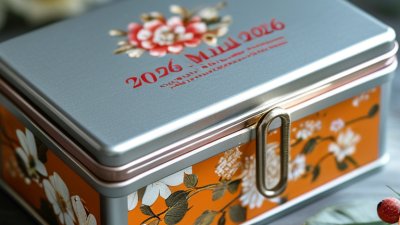
For global buyers, tin box quality starts with the material, not the printed design. Tinplate combines a steel base with a thin tin coating that helps resist corrosion. However, thickness alone does not guarantee better performance. A thicker wall can increase weight, shipping costs, and forming difficulty. A well-formed lighter box may perform better in real use.

Manufacturing standards reveal more than a polished sample. Buyers should review steel grade, coating thickness, seam strength, hinge alignment, and surface finish. Food-contact applications also require suitable internal coatings, inks, and migration test records. Request batch traceability and written declarations. Quality systems such as ISO 9001 can support consistency, but certification does not replace product testing.

Ask for samples from several production batches. Inspect sharp edges, lid fit, dents, odor, and coating scratches. Small defects matter. A box that closes unevenly may damage contents during transport. I would also compare drop tests, humidity exposure, and stacking results under documented conditions. Suppliers sometimes provide excellent samples but inconsistent mass production. That risk deserves attention. No specification is flawless. Material claims can also be misunderstood when recycled steel content, coating weight, and final thickness are listed separately. A clear technical sheet makes comparison easier across regions and purchasing teams.

What Are the 2026 Best Tin Boxes for Global Buyers?

How tin box materials and manufacturing standards compare

Thicker tinplate generally provides greater rigidity, dent resistance and stacking strength, while thinner gauges can reduce material use and shipping weight. The steel substrate mass is calculated from a steel density of 7.85 g/cm³ and excludes coatings, ink, solder, lacquer and forming losses.

Reference standard Main scope for tin boxes
ISO 11949 Electrolytic tinplate requirements, including dimensions and coating designation
EN 10202 Cold-reduced tinmill products for packaging, including coating and mechanical requirements
ASTM A623 General requirements for tin mill products used in packaging applications

Buyer note: Confirm steel grade, thickness tolerance, tin coating, lacquer suitability, dimensional inspection and food-contact compliance for the destination market.

Which Tin Box Designs Fit Different Product Categories?

The best 2026 tin box depends on the product, not only on visual appeal. Grand View Research valued the global metal packaging market at about USD 142.5 billion in 2023. It also projects steady growth through 2030. This suggests strong demand, but buyers still need practical specifications.

For confectionery, shallow hinged tins support easy opening and attractive shelf presentation. Food-grade interior coatings are essential. Rounded corners can reduce dents during transport. Tea and coffee need taller airtight tins with secure friction lids. These designs help protect aroma and limit moisture exposure. Cosmetics suit compact slip-lid tins with smooth edges and removable inner trays. Small compartments prevent creams, balms, or solid products from shifting.

Gift products can use embossed panels, vivid printing, and seasonal shapes. The surface becomes part of the experience. For stationery and small accessories, stackable rectangular tins usually offer better warehouse efficiency. PMMI packaging reports continue to highlight automation, material efficiency, and convenient formats as important packaging priorities. A lighter gauge may reduce material use, but it can also weaken hinges and corners. That trade-off deserves testing.

Real-world sampling remains necessary. A beautiful prototype may fail after repeated opening. It may also scratch easily. Smithers’ metal packaging outlook identifies sustainability and premium presentation as continuing market influences. Still, recycled content, coating performance, food contact requirements, and export transport conditions must be checked separately. One design rarely fits every category. That is an uncomfortable truth.

How to Evaluate Suppliers, Certifications, and Global Compliance

For global buyers, a reliable tin box starts with traceable materials, not attractive printing. Ask suppliers for the steel grade, coating details, and production batch records. Food-contact packaging needs migration testing for the intended product and market. Certificates should name the factory, test method, date, and applicable regulation. Copied PDFs prove little.

Evaluate factories through recent audit reports, sample approvals, and corrective-action records. Check whether each certificate belongs to the actual manufacturing site. A trading company may coordinate orders, but responsibility must remain visible. Request samples with measured dimensions, lid fit, seam quality, odor, and surface finish. Test samples after stacking, drops, humidity exposure, and repeated opening. Small defects become expensive at port.

Compliance changes with destination, contents, labeling, inks, coatings, and recycling rules. Build a market-specific checklist instead of trusting one “global” certificate. Verify declarations for restricted substances and keep communication in writing. Ask who owns test costs when a shipment fails inspection. In practical supplier reviews, factories often answer quickly but document slowly. That gap deserves attention. Review tolerance data, because perfect samples can hide unstable mass production. This caution may feel excessive, but export reliability is measured after delivery.

What Costs, Shipping Factors, and Customization Options Matter Most?

What Are the 2026 Best Tin Boxes for Global Buyers?

For global buyers, the lowest unit price rarely shows the real cost. Compare tooling, sampling, packaging, freight, duties, and inland delivery. My first estimate once ignored carton volume. The final shipping bill was higher than expected. Ask suppliers for a complete landed-cost worksheet, not only a factory quotation. A 0.23-millimeter tin box may cost more than a thinner option, but it can resist dents during long transport. Confirm the box size, wall thickness, closure strength, and empty weight before ordering.

Shipping details deserve careful attention. Request carton dimensions, pallet counts, loading photos, and estimated production dates. A small change in lid height can reduce container efficiency. Ocean freight is usually economical, but port congestion can disrupt launch schedules. Air shipping works for urgent samples, yet it can damage margins quickly. Choose clear trade terms and confirm who handles export documents, insurance, duties, and final delivery. Build a time buffer.

Customization also affects both price and reliability. Standard molds usually reduce tooling charges and shorten production time. Custom shapes need drawings, prototypes, and stronger quality checks. Compare printed finishes, embossing, matte coatings, window designs, and internal trays. Ask for color references and a pre-production sample. Digital images can hide scratches and uneven edges. Test the finished box with its actual contents. Review closure fit after repeated opening. A beautiful prototype may still fail on a crowded packing line. That part is easy to underestimate.

What Are the 2026 Best Tin Boxes for Global Buyers? — Costs, Shipping Factors, and Customization Options

Tin Box Format Typical External Size Common Material Indicative Unit Cost
at 1,000 Units
Indicative Unit Cost
at 10,000 Units
Indicative Unit Cost
at 50,000 Units
Best Use Key Buying Considerations
Small Hinged Rectangular Box 80 × 55 × 20 mm Tinplate steel, approximately 0.20–0.25 mm US$0.55–1.10 US$0.28–0.60 US$0.20–0.42 Mints, samples, travel kits, small gifts Check hinge alignment, lid fit, sharp-edge control, and decoration coverage on small panels.
Slip-Lid Square Box 75 × 75 × 30 mm Tinplate steel, approximately 0.20–0.28 mm US$0.50–1.00 US$0.25–0.55 US$0.18–0.38 Tea, confectionery, candles, compact promotional packs Measure opening force, internal clearance, stacking strength, and product-contact coating requirements.
Round Screw-Lid or Press-Fit Tin Diameter 75 mm × height 35 mm Tinplate steel, approximately 0.20–0.28 mm US$0.60–1.20 US$0.30–0.65 US$0.22–0.45 Cosmetics, balms, tea, confectionery, collectible packaging Round tooling may cost more; test sealing, thread or friction fit, and label or print registration.
Large Rectangular Hinged Tin 180 × 120 × 55 mm Tinplate steel, approximately 0.23–0.35 mm US$1.30–2.80 US$0.75–1.55 US$0.55–1.15 Biscuits, gift sets, stationery, premium retail packaging Outer dimensions strongly affect freight volume; confirm corner strength, lid geometry, and pallet stacking.
Deep Storage Tin 220 × 160 × 90 mm Tinplate steel, approximately 0.25–0.35 mm US$2.00–4.20 US$1.10–2.35 US$0.80–1.70 Toys, craft materials, food assortments, household storage Prioritize dent resistance, internal trays, corrosion protection, and efficient master-carton packing.

Cost, Shipping, and Customization Factors for Global Buyers

Decision Dimension Typical Planning Data Why It Matters Recommended Buyer Check
Tooling and Mold Cost Approximately US$500–5,000 for a new custom shape, depending on size, depth, parts, and tooling complexity. A low unit price may not offset a high one-time tooling charge at a small order quantity. Request tool ownership terms, trial samples, revision costs, and expected tool life in production cycles.
Minimum Order Quantity Stock sizes may be available from hundreds of units; new custom shapes commonly require approximately 3,000–10,000 units or more. MOQ affects unit cost, inventory exposure, cash flow, and the feasibility of market testing. Compare stock-size decoration with fully custom tooling before approving the design.
Decoration Method Offset lithographic printing, matte or gloss varnish, embossing, debossing, spot finishes, paper labels, and protective coatings are common options. More colors, special finishes, and dimensional effects generally increase setup time and cost. Approve a physical color proof and define acceptable tolerances for color, registration, scratches, and dents.
Food-Contact Suitability Food applications may require suitable internal coatings, migration documentation, and compliance with destination-market rules. Decorative metal alone does not prove that the complete package is suitable for direct food contact. Obtain coating specifications, declarations of compliance, test reports, and product-specific compatibility confirmation.
Production Lead Time Stock decoration may take about 3–6 weeks; new tooling and custom printing commonly take about 6–12 weeks, excluding transit. Seasonal campaigns can be delayed by artwork approval, tooling changes, production queues, or port congestion. Build in time for prototypes, pre-production approval, inspection, and customs clearance.
Ocean Freight Efficiency Freight is usually calculated by chargeable volume or container utilization; empty space and inefficient cartons can materially raise landed cost. Tin boxes are relatively light but can be volume-intensive, especially when shipped assembled and individually packed. Request carton dimensions, units per carton, gross weight, pallet pattern, and cubic-meter data before comparing freight offers.
Air-Freight Sensitivity Air carriers commonly use the greater of actual weight and volumetric weight; a frequently used divisor is 5,000–6,000 cubic centimeters per kilogram, subject to carrier rules. Large lightweight cartons can incur charges based on volume rather than scale weight. Use compact cartons, remove unnecessary void space, and compare air, rail, sea, and courier options using landed cost.
Packaging Protection Common controls include dividers, polybags, kraft paper, corner protection, double-wall cartons, and moisture protection for long-distance transit. Tinplate resists breakage but can dent, scratch, or corrode under poor handling or humid conditions. Conduct carton drop, compression, vibration, and humidity checks appropriate to the route and product.
Trade Terms and Import Costs EXW, FOB, FCA, CIF, DAP, and DDP allocate freight, insurance, customs, and delivery responsibilities differently. A factory price is not the same as landed cost; duty, VAT or sales tax, brokerage, port charges, and delivery may be excluded. Compare offers on the same Incoterm and verify the applicable tariff classification with a customs professional.
Sustainability and Recyclability Steel packaging is widely recyclable where collection and sorting infrastructure exists; recycling performance depends on local systems and coatings. Reusability and recyclability can improve packaging value, but environmental claims must match destination-market rules. Ask for material composition, recycled-content information where applicable, coating details, and substantiation for all claims.
Planning note: Cost ranges are indicative 2026 budgeting estimates in US dollars for standard tinplate packaging and exclude tooling unless stated, artwork development, taxes, duties, freight, insurance, and inspection. Actual prices vary with steel costs, order quantity, dimensions, coatings, printing coverage, destination, and trade terms. Confirm all commercial, regulatory, and shipping details with the selected manufacturer, carrier, and customs authority before placing an order.