• Facebook
  • twitter
  • Instagram
  • YouTube
Free Standard Samples can be provided for you to check the quality.
We respect your confidentiality and all information is protected.
Leave Your Message
*Name Cannot be empty!
* Enter product details such as size, color,materials etc. and other specific requirements to receive an accurate quote. Cannot be empty

Top 10 Tin Boxes for Packaging Which One Is Best?

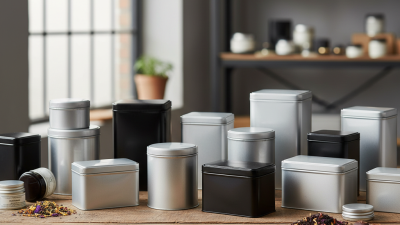
Choosing packaging is rarely just a matter of appearance. The right tin must protect its contents, suit the product, and fit the way customers store or carry it. Tin Boxes can offer a sturdy, reusable alternative to many disposable packs, but designs vary widely. Some have snug slip lids; others use hinged tops, shaped corners, or decorative finishes. Small details matter. A loose lid may frustrate customers, while a deep tin can waste shelf space.

This guide compares ten popular tin box styles, including round, rectangular, stackable, windowed, and custom-printed options. It looks at practical factors such as capacity, closure, durability, ease of opening, and presentation. For a fair comparison, buyers should check actual samples and product specifications rather than relying on photographs alone. Feel the edges. Test the lid. Consider how the box performs after repeated handling. A polished finish can look appealing, yet scratches may show more clearly on some surfaces. No single design is best for every product, and a lower price may come with trade-offs in fit or finish. Those details are easy to overlook. The sections ahead explain where each style works well, what to inspect before ordering, and how to match a tin to packaging needs without assuming that the most attractive option is automatically the best.
Top 10 Tin Boxes for Packaging Which One Is Best?

What Tin Boxes Are and How They Protect Packaged Products

Tin boxes are rigid containers made from tin-plated steel. They are valued for strength, reusability, and a clean appearance. Their metal walls help protect products from crushing during storage and transport. They also block light, which can affect color, flavor, or freshness. A well-fitted lid reduces exposure to dust and moisture. However, not every tin box is airtight. The closure design matters.

In practical packaging evaluations, tin boxes perform well for tea, confectionery, candles, small accessories, and dry goods. Their smooth inner surfaces support easy cleaning, while printed or embossed exteriors improve shelf visibility. Tin also resists many everyday handling pressures better than thin paper packaging. Still, moisture can cause corrosion if the coating is damaged. Sharp edges and loose lids may create avoidable problems. No package is perfect.

Tips: Match the box size closely to the product. Excess space allows movement and dents. Check the inner coating before selecting products that may react with metal. Test the lid after repeated opening and closing. Add a paper insert or cushioning layer for fragile items. Store finished boxes in a dry environment. A small trial batch is wise, because attractive packaging can still fail during stacking, sealing, or delivery.
Key Materials, Shapes, Sizes, and Closure Types

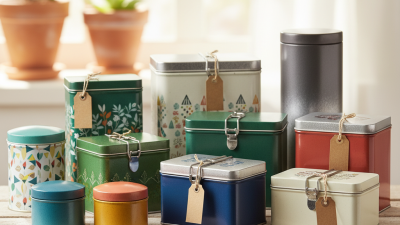
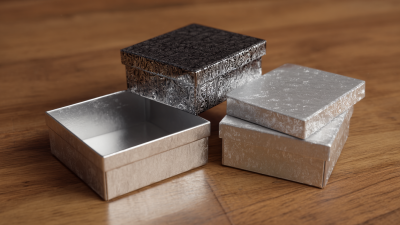
Tin boxes are generally made from tin-coated steel, while lids may use the same gauge or a lighter sheet. Choose food-contact coatings only when the contents require them, and check that seams and inner surfaces suit the product. Shape affects more than appearance: round tins avoid sharp corners, while square and rectangular boxes stack neatly on shelves. Small boxes suit samples or mints; larger formats need stronger walls to resist denting. Measure the actual product, not just the nominal volume.

Closure choice changes the user experience. Slip lids open quickly but can loosen after repeated use. Hinged lids stay attached, though the hinge adds cost and may snag during packing. Friction-fit lids can help protect dry goods, but test them after filling and transport.

A common miss: approving a beautiful sample before checking how fast workers can close it. It happens.

Recyclability also deserves a practical check. Eurostat’s 2022 packaging-waste dataset reports a 78.5% recycling rate for metal packaging in the EU. That figure reflects a regional system, not a guarantee that every box will be recycled locally. Ask suppliers for material and coating details, then confirm local sorting guidance. Tinplate thickness, box dimensions, print coverage, and closure fit all affect the final choice. Even then, the smallest box is not always the cheapest once packing speed and damage are considered.

Ten Popular Tin Box Styles and Their Packaging Uses

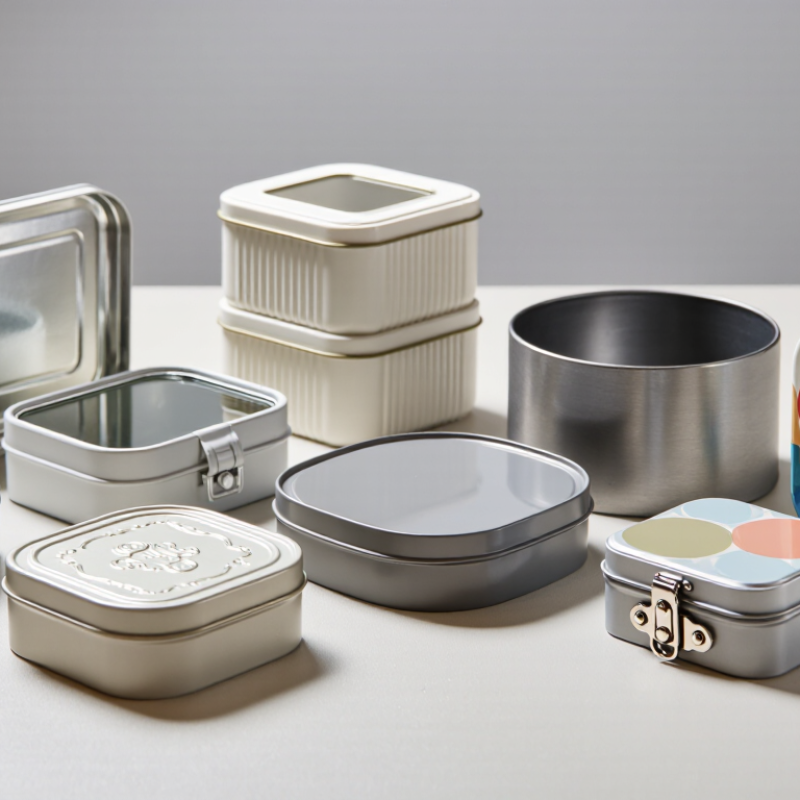
Tin boxes work best when their shape matches the product and how customers handle it. Round tins suit tea, sweets, and small candles; their curved walls feel smooth but can waste shelf space. Rectangular tins pack neatly beside one another and protect biscuits or stationery. Square tins offer a compact gift format, though tight corners may collect crumbs. Hinged-lid boxes stay attached when opened, while slip-lid tins offer a simple, removable cover.

Windowed tins let shoppers see the contents, but the clear panel may scratch during handling. Embossed tins add texture and make plain packaging feel more considered. Deep tins hold layered items, such as stacked cookies; shallow tins work for mints or small accessories. Stackable tins help organize retail displays, provided their lids fit evenly. Custom-shaped tins can attract attention, yet unusual outlines may be harder to store and reuse.

Tips: Check the lid fit, edge smoothness, and interior dimensions with a sample before ordering. Test the box with the actual product, not just a drawing. A pretty tin can still disappoint if it rattles, opens too easily, or takes up awkward shelf space.

Top 10 Tin Boxes for Packaging: Which One Is Best? — Ten Popular Tin Box Styles and Their Packaging Uses

Tin Box Style Typical Shape and Closure Common Packaging Uses Main Advantages Things to Consider
Rectangular Hinged-Lid Tin Rectangular body with a lid attached by a hinge Tea, confectionery, stationery, small gifts, and keepsakes Convenient to open and close; lid stays attached and the box is reusable The hinge may add cost and can be less suitable for products that require an airtight seal
Slip-Lid Tin Simple rectangular or square base with a lift-off lid Biscuits, mints, gifts, craft supplies, and small accessories Straightforward design, easy access, and broad shape and size options Lid fit needs to be checked to help prevent it coming loose during handling
Round Tin Circular body, commonly with a separate or friction-fit lid Tea, sweets, candles, balms, and small personal-care products Smooth, compact shape with no corners; suitable for a wide range of product sizes Round tins can leave unused space in square shipping cartons
Square Tin Square base with a lift-off or fitted lid Cookies, chocolates, tea sachets, gift sets, and compact goods Stacks and packs neatly; flat panels provide useful space for printed graphics Corners may dent if the tin is dropped or handled roughly
Window Tin Tin body with a transparent window set into the lid or side Decorated cookies, confectionery, craft items, and gift assortments Shows the product without opening the package The window material and joining method should suit the product and applicable food-contact requirements
Deep Storage Tin Tall rectangular, square, or round body with a fitted lid Tea bags, coffee, biscuits, dry goods, and household storage Holds taller or larger quantities of products and can be reused for storage A tall package may need additional support to stay stable during transport
Slide-Top Tin Compact tin with a sliding lid or sliding panel Mints, small candies, pins, sewing supplies, and pocket-sized items Quick one-handed access and a compact format for small products Sliding parts need suitable clearance to avoid sticking or opening too easily
Lock-Corner Tin Rectangular tin with folded or mechanically interlocked corners Biscuits, tea, confectionery, and general retail packaging A practical formed-metal construction that works well for common rectangular formats Corner seams and edges should be checked for smoothness and suitability for the intended contents
Slipcase Tin Inner tin that slides into a metal outer sleeve or case Premium gifts, stationery, card sets, and compact product kits Distinctive presentation with an extra protective outer layer Requires accurate sizing so the inner tin slides smoothly without being too loose
Compartment Tin Tin fitted with dividers or separate interior sections Mixed chocolates, tea assortments, small hardware, craft supplies, and travel kits Keeps different items organized and helps prevent them from mixing Compartments reduce usable capacity and should be sized to fit the products securely

Selection tip: Choose a tin based on product dimensions, required protection, ease of opening, shipping efficiency, and whether the package will be reused.

How the Top Tin Boxes Compare in Durability, Cost, and Branding

Most “tin boxes” are tin-coated steel, but their durability depends on gauge, seams, and lid fit. A snug lid and rolled edges help protect small products from dust and knocks. Thin walls can dent in transit. A scratch may also expose the steel beneath the coating, so finish quality matters.

Cost is less simple than the unit price. Steel boxes usually cost more than folding cartons and may need higher-volume orders or custom tooling. Yet they can be reused, which may suit gift sets or products kept on a desk. Heavier packaging also raises shipping costs; the extra protection is not always worth it. APEAL’s 2023 report puts Europe’s steel-packaging recycling rate at 80.5% for 2022. That is useful context, not a guarantee that every box gets recycled.

For branding, printed tin offers crisp color, gloss, and a tactile surface that cartons rarely match. Embossing can make a logo catch the light, though it adds cost and can complicate artwork. Keep key text away from seams and curved edges. Small details matter. In practice, a sample box is worth testing: check the lid after repeated opening, and inspect color under ordinary shop lighting. It can still look different on screen.

How to Choose the Best Tin Box for Your Product and Market

The best tin box is the one that protects your product, fits your sales channel, and feels right in a customer’s hand. Most “tin” boxes are tinplate steel, not solid tin. Start with the product: a shallow hinged box suits small accessories, while a deeper lidded tin can hold larger items. For food, check that the lining and seams are suitable for the contents. For delicate goods, test for sharp edges and movement during shipping. Small details matter.

Match the format to the market. A gift tin may need a smooth opening and a polished finish; a retail box may need clear product information and a shape that stacks well. Online orders face more bumps than shelf displays. Test a filled sample in the actual shipping carton. A pretty prototype can disappoint.

Sustainability claims need care, too. APEAL’s 2022 report puts the European recycling rate for steel packaging at 80.5%; that figure is regional, not a guarantee for every local collection system. Ask suppliers about material thickness, recycled content, coating, and local recyclability. Compare unit price with setup costs and minimum order quantities. A custom shape can look distinctive, but it may raise costs and complicate restocking. Keep it practical.

This comparison ranks ten common tin box formats by an overall suitability score based on product protection, shelf visibility, customization potential, shipping efficiency, and consumer reusability. The best choice depends on the product type, target market, budget, and required protection level.