Unlocking the Benefits of Metal Containers in 2026?
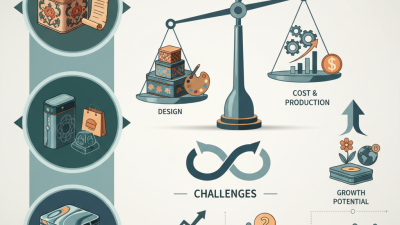
As the world moves towards sustainable solutions, the role of Metal Containers becomes increasingly vital. According to a report by Smithers Pira, the global market for metal containers is expected to reach $70 billion by 2026. This growth is driven by a rising demand for eco-friendly packaging. Industry expert Dr. Jane Thompson states, “Metal Containers are not only durable but also fully recyclable, making them a smart choice for the future.”
However, challenges persist. While recycling rates for metal containers are high, the industry still faces issues like contamination and waste management. A 2023 study from the International Aluminium Institute highlighted that only 2 out of 5 metal containers are returned for recycling. This reveals the need for improved consumer education and better collection systems.
Furthermore, the market must adapt to new regulations and consumer preferences. Trends point towards a demand for lightweight and multifunctional containers that still offer the benefits of metal. The balance between innovation and sustainability is delicate. Reflecting on these aspects will help stakeholders navigate the promising but complex future of Metal Containers.
The Growing Demand for Metal Containers in 2026
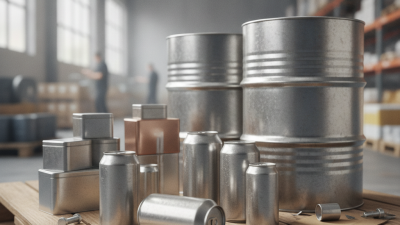
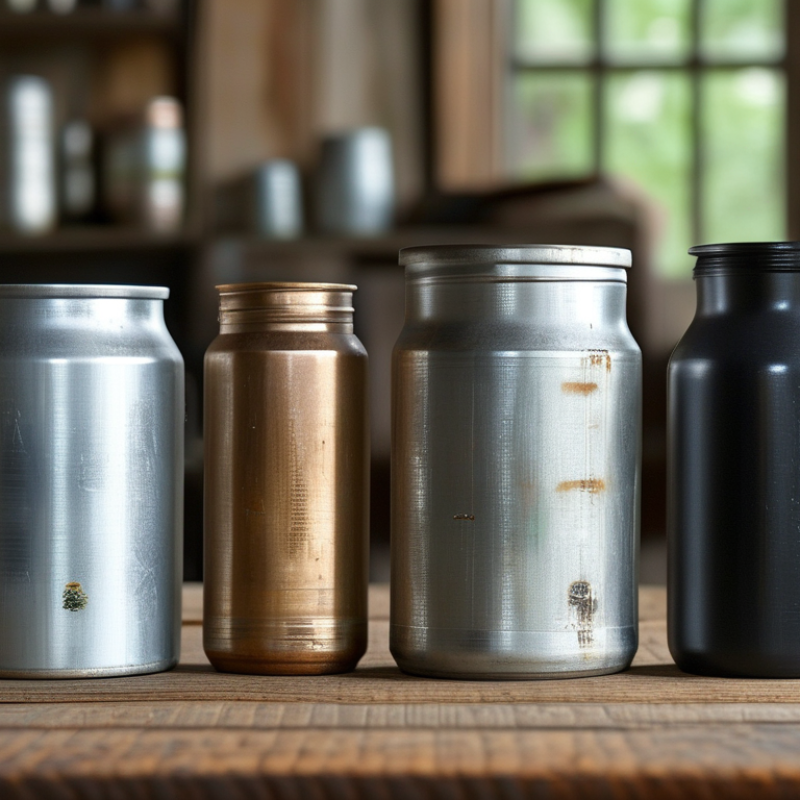
The metal containers market is witnessing significant growth as we head into 2026. According to a recent industry report, the global demand for metal containers is expected to exceed 14 million metric tons. This surge is driven by their durability and recyclability. Metal containers can be reused multiple times without losing integrity. Many manufacturers now prioritize these containers over plastic due to environmental concerns.
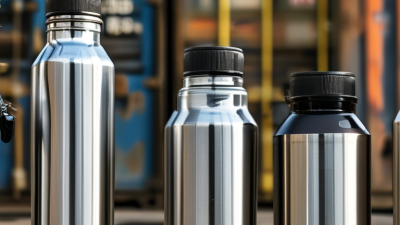
The beverage sector plays a pivotal role in this shift. Studies show that up to 70% of consumers prefer metal packaging for drinks. They value the taste preservation and safety that metal provides. Additionally, metal containers offer a longer shelf life, which is appealing to producers. Yet, there are challenges. Some facilities struggle with recycling efficiency. This inefficiency can lead to a wasteful disposal of materials. Industry players are exploring better processes to address this.
Another factor shaping the demand is the growing eco-consciousness among consumers. Data indicates that packaging waste accounts for about 30% of landfill mass. Metal containers are often seen as a solution to this problem. However, the high initial production cost can be a barrier. Not all manufacturers can afford the investment. This might hinder broader adoption despite the clear benefits. The landscape is shifting, and reflection on these obstacles is crucial for future success.
Advantages of Using Metal Containers for Storage and Transportation
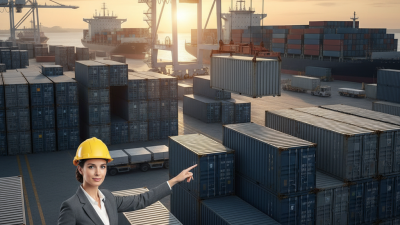
Metal containers are gaining popularity for storage and transportation. Their durability and strength make them ideal for various industries. Unlike plastic, metal does not degrade over time, ensuring your goods remain protected. These containers are resistant to extreme temperatures and harsh environments. This resilience is essential, especially for perishable items.
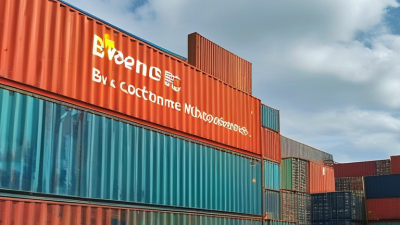
When considering metal containers, think about the insulation they provide. This can help maintain the quality of sensitive products during transit. Also, their stackable design saves valuable space in warehouses and during transport. Metal is recyclable, making it a sustainable option for eco-conscious businesses.
Tips for choosing metal containers include assessing the size and weight of your products. Ensure the container can handle your specific needs. Regular maintenance can extend the life of your metal containers, so inspect them frequently. Consider the type of cargo you are transporting. Some metals may react with certain substances, so research is crucial. Always question whether you are maximizing efficiency with your choice of container.
Environmental Impact of Metal Containers Compared to Other Materials
The use of metal containers is gaining attention due to their environmental benefits. Unlike plastic, metals are 100% recyclable. They require significantly less energy to recycle compared to producing new materials. This process reduces waste and conserves resources. Metal containers can last a long time—often decades—if properly maintained.
However, it's not all positive. The production of metal containers has its downsides, too. Mining and processing metals can be harmful to ecosystems. It's essential to evaluate the life cycle of these containers. Remember, even while metal is recyclable, not all recycling facilities accept every type of metal.
Tips:
Consider choosing local recycling programs. They may have better facilities for metal. Check what's accepted in your area. Always rinse and clean metal containers before recycling. This simple step can make a big difference in recycling efficiency. Stay informed about advancements in sustainable practices in metal use. It’s a path worth exploring.
Innovations in Metal Container Design and Technology
The design and technology of metal containers are evolving rapidly in 2026. Enhanced durability and sustainability are at the forefront. Manufacturers are focusing on materials that can withstand extreme conditions while being eco-friendly. This innovation helps reduce environmental impact significantly. Moreover, the ability to recycle these containers multiple times boosts their appeal.
New technologies, such as smart coatings, are being integrated into metal containers. These coatings can inform users about the container's integrity or freshness status. For example, a color change might indicate contamination or spoilage. However, these advanced features raise questions about reliability. Not all innovations stand the test of time or user expectations.
While the benefits are compelling, issues remain. The cost of producing such advanced containers can be high. Consumers may hesitate to pay more. Furthermore, manufacturers face the dilemma of balancing advanced technology with practicality. It's essential to ensure these innovations serve real needs without overcomplicating the design. The road ahead may be challenging, but it's filled with potential.
Unlocking the Benefits of Metal Containers in 2026
Future Trends Shaping the Metal Container Industry in 2026
In the coming years, the metal container industry is poised for significant transformation. Environmental awareness is driving a shift towards sustainable materials. By 2026, many businesses will prioritize metal containers due to their recyclability. This trend reflects broader sustainability efforts in various sectors.
Technological advancements are also reshaping the landscape. Innovations in manufacturing processes will enhance the durability and functionality of metal containers. Flexible designs and smart technology integration could become common. Manufacturers are exploring customized solutions to meet diverse consumer needs. However, sourcing costs for raw materials may present challenges.
Market competition will push companies to innovate and improve. Adopting eco-friendly practices may not be an easy transition. Balancing cost and sustainability remains a critical question. As we move forward, the industry must navigate these complexities to fully unlock the potential of metal containers.


 +8618680445103