10 Best Metal Can Suppliers for Global Buyers
Metal cans remain a practical choice for food, beverages, and household products. They protect contents, travel efficiently, and fit established filling lines. Market scale makes supplier selection consequential. Grand View Research estimated the global metal packaging market at USD 138.8 billion in 2023, with projected growth through 2030. Its report points to a broad, changing supply landscape—not a guarantee that every supplier can meet a buyer’s needs.
Can Manufacturers Institute president Robert Budway has described metal packaging as “infinitely recyclable.” That principle matters, but procurement requires more than a promising slogan. Buyers should check material specifications, coating options, production capacity, quality controls, lead times, and documented recycling claims. Ask for sample cans. Inspect the seams, finish, and printed color under real warehouse lighting. Small defects can become expensive at scale. Details matter.
This guide compares ten metal can suppliers for global buyers, with attention to product range, export readiness, and technical support. It is not a substitute for factory audits or verified quotations. Market reports offer useful context, yet supplier capabilities can change. And claims need checking. A polished catalog may hide gaps in service, certification, or delivery performance. Some comparisons are imperfect, too; available public information is not equally detailed for every company. That is worth keeping in mind before placing a large order.
What Metal Can Suppliers Offer to Global Buyers
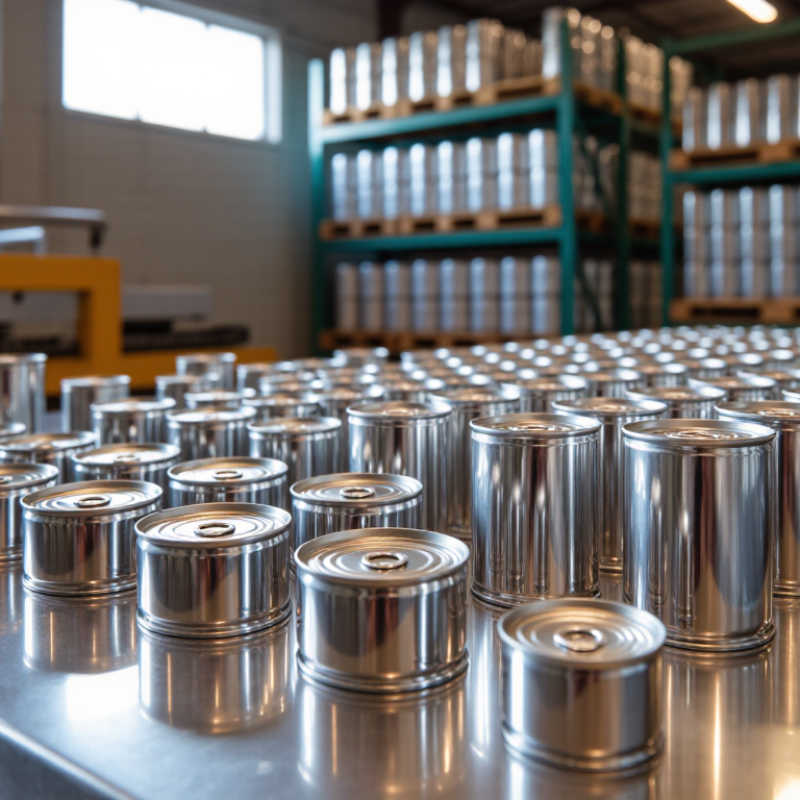
Metal can suppliers offer more than formed containers. They can help buyers choose steel or aluminum, can dimensions, wall thickness, and opening styles. A supplier may also provide internal coatings suited to the intended product and exterior printing for clear shelf identification. Ask which specifications are standard and which require custom tooling. A physical sample can reveal details a drawing misses, such as lid fit or edge finish.
Many suppliers support production checks, including dimensional inspection, seam evaluation, and leak testing where appropriate. Buyers should request relevant test records and clarify how batches are identified. Details matter. Packaging options also count: dividers, wrapped pallets, and moisture protection can reduce dents during long transit. Export support may include packing lists and shipment coordination, but service levels vary.
A useful supplier conversation covers order quantities, production capacity, sample timing, and realistic lead times. Share the destination market and intended use early, since required documentation and product specifications can differ. Still, a polished catalog is not proof of consistent production. Compare samples with the approved specification, and ask how changes are controlled after approval. Responses may be imperfect or slow; that is worth noticing, not ignoring. Buyers can request a written quotation that separates tooling, unit pricing, packaging, and freight assumptions.
How to Evaluate Metal Can Suppliers and Their Capabilities
A reliable metal can supplier should show how its process performs, not just display attractive samples. A polished catalog is not proof. Ask for material specifications, dimensional tolerances, and test reports for the can type you need. Compare these documents with your intended filling line and product conditions.
Inspect samples for consistent seams, smooth edges, and uniform coatings. Small defects matter. Request details about corrosion testing, coating adhesion, and leak checks, including how often tests are performed. Confirm available sizes, printing options, minimum order quantities, and typical lead times. A capable supplier should explain what it can produce in-house and what depends on outside partners.
Check how the supplier tracks materials and handles production changes. Ask to review a sample inspection record or follow a trial order from material receipt to shipment. Clear answers are useful; vague promises deserve follow-up. A factory visit or independent inspection can add confidence, though neither guarantees every shipment will be perfect. I would also ask what happens when a batch misses an agreed specification. The response reveals practical quality control.
How to Evaluate Metal Can Suppliers
Suggested evaluation weights for comparing suppliers’ capabilities. Adjust them to match your product, market, and purchasing priorities.
How to use: Score each supplier against these criteria, then apply the weights to compare overall suitability. Confirm applicable food-contact, packaging, and market-specific requirements for your product.
Profiles of 10 Leading Metal Can Suppliers Worldwide
Profiles of ten leading metal can suppliers should compare more than production volume. Global buyers need to assess can formats, annual capacity, decoration options, tooling support, and delivery coverage. A supplier serving a nearby filling plant may reduce freight time, while a wider network can help coordinate multi-region orders. Ask how it controls wall thickness, seam integrity, and coating consistency. Small defects matter.
Sustainability data also helps distinguish supplier capabilities. APEAL reported that steel packaging recycling in Europe reached 82% in 2022. Metal Packaging Europe and European Aluminium reported a 76.3% recycling rate for aluminium beverage cans in Europe that year. These figures describe regional recycling systems, not the performance of any single factory. Buyers should request material specifications, recycled-content documentation, and clear reporting methods before comparing claims.
Across ten supplier profiles, the most useful details are often practical: available can diameters, minimum order quantities, lead times, and quality certifications. Check whether sample cans match production tooling; a neat prototype can hide production limits. That is easy to overlook. Suppliers also differ in how quickly they resolve print defects or shipment delays. I would not rank a supplier on price alone. A low quote can become costly when changeovers, rejects, or freight are excluded.
How to Compare Suppliers by Products, Quality, and Service
Comparing metal can suppliers starts with the products each can actually make. Check available sizes, wall thicknesses, closures, and coating options against your filling line. A sample can should fit existing equipment without forcing awkward adjustments. Ask whether custom dimensions require new tooling, and request realistic production quantities. Small details matter: a lid that seats unevenly can slow a packing shift.
Quality claims need evidence. Request inspection criteria for dimensions, coating coverage, and seam integrity, plus recent test records where appropriate. Compare how suppliers handle rejected samples and changes between production runs. Look closely at the inside coating under bright light; thin spots or scratches may be easy to miss. Paperwork helps, but it cannot replace examining physical samples. No checklist catches everything.
Service affects the order long after the quotation arrives. Ask who answers technical questions, how quickly problems are escalated, and whether delivery updates include revised dates. Compare lead-time estimates with your own launch schedule, leaving room for delays. A supplier may offer an attractive price yet communicate poorly when specifications change. That is a real risk, though it can be difficult to judge before placing an order. Keep written records of approved drawings, samples, and agreed tolerances. A brief trial order can reveal gaps in packaging, labeling, or response time before larger commitments.
What to Consider When Sourcing Metal Cans Across Borders
Cross-border metal-can sourcing is not just a price comparison. A low unit quote can be offset by freight, duties, inland delivery, and protective packaging. Share a written specification covering capacity, body diameter, metal thickness, coating, seam style, and closure fit. For food-contact products, confirm materials and test records suit the destination market and intended use. Requirements vary. Ask how production tolerances are measured, and request recent inspection records rather than relying on general assurances. Small differences matter: a lid that fits one sample may not seal consistently across a full run.
Tips: Request physical samples and test them on your actual filling line, not just by hand. Confirm the minimum order quantity, tooling charges, sample timing, production lead time, carton count, pallet dimensions, and shipment terms in writing. Ask who handles export documents and what happens if cans arrive dented or rusty. Keep a buffer; port schedules can shift. Check current freight and duty estimates before approving an order.
Compare suppliers on landed cost and communication, not headline price alone. Agree on inspection points before production, such as coating coverage, seam dimensions, print alignment, and acceptable dent rates. Photos or third-party checks can support a pre-shipment review when distance makes visits impractical. Keep one approved sample as a reference. Specifications can still miss something; revise them after delivery if handling reveals weak carton corners or scuffing. That is useful evidence for the next order.



 +8618680445103