China Top Metal Containers for Packaging and Storage Solutions?
In recent years, the demand for metal containers in various industries has surged. According to a report by Grand View Research, the global metal containers market is anticipated to exceed $150 billion by 2025. This growth reflects an increasing preference for sustainable packaging solutions. Metal containers are recognized for their durability and recyclability, making them a favored choice.
China plays a crucial role in the production of metal containers. The country has become a global leader in manufacturing, leveraging advanced technology and competitive labor costs. Notably, more than 30% of the world's metal container production occurs in China, as per Statista data. Despite this leadership, challenges persist. Fluctuating raw material prices and environmental regulations require ongoing adaptation within the industry.
New product developments aim to enhance functionality and appeal. For instance, innovations in metal coatings improve barrier properties, preserving product integrity. However, the industry must also address issues like waste management and recycling rates. These factors underscore the importance of a holistic approach to sustainability. As the sector evolves, metal containers will continue to be a vital component of modern packaging and storage solutions.
China's Dominance in the Metal Container Manufacturing Industry
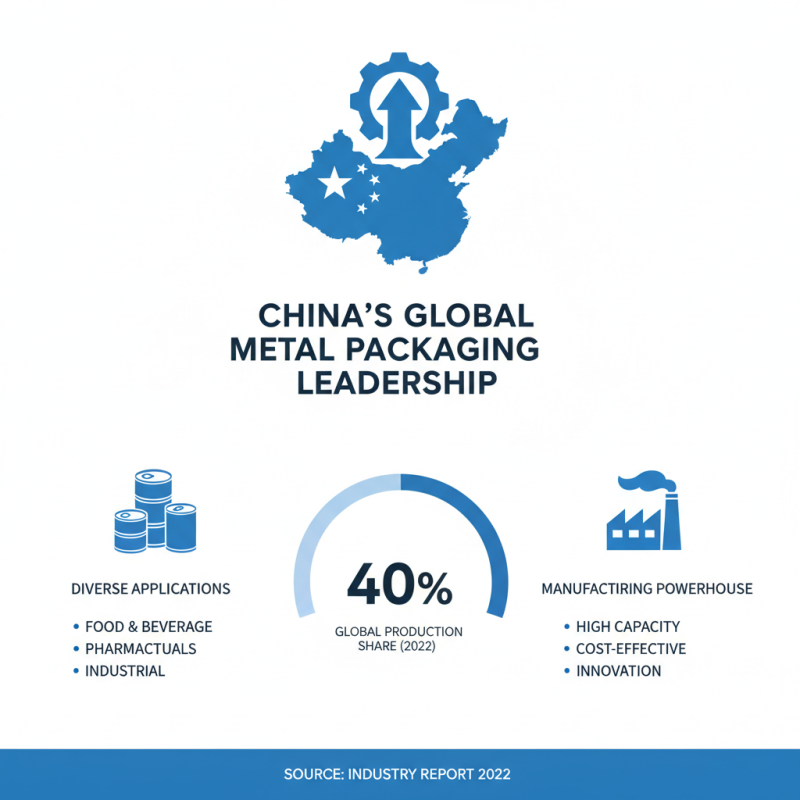
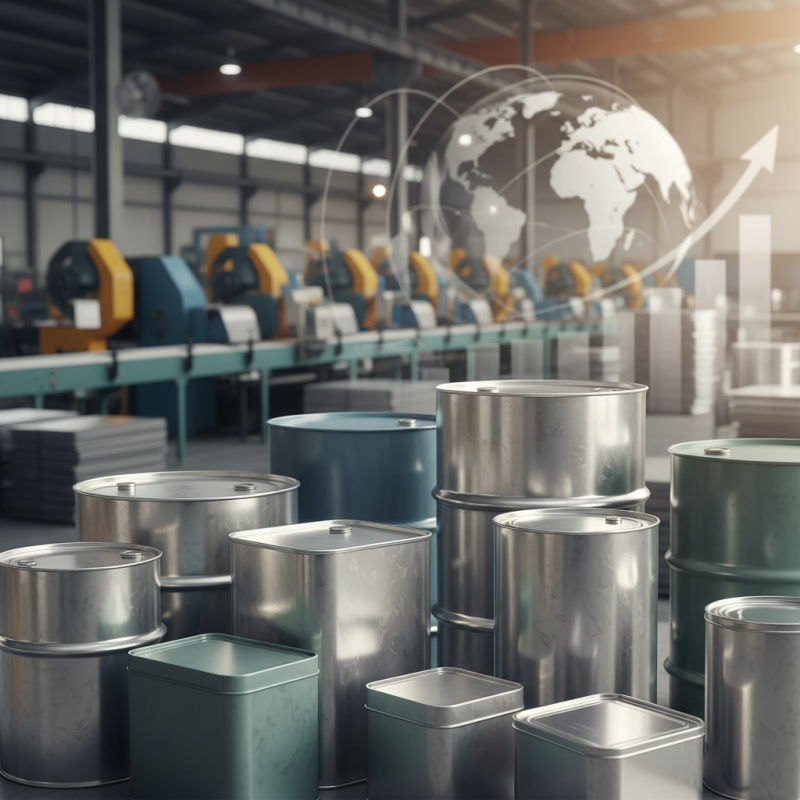
China has solidified its position as a leader in the metal container manufacturing industry. A recent industry report noted that China accounted for over 40% of global metal packaging production in 2022. This staggering figure highlights the country's capability to meet diverse packaging needs across various sectors, including food and beverage, pharmaceuticals, and industrial applications.
One key reason behind this dominance is China's robust supply chain. The nation benefits from an extensive network of raw material suppliers and advanced manufacturing technologies. In 2023, China's metal container exports exceeded $5 billion, showcasing strong international demand. However, challenges also loom. The industry faces rising production costs due to environmental regulations and labor shortages, prompting manufacturers to innovate continuously.
Quality assurance plays a critical role in maintaining China's competitive edge. Many manufacturers adopt stringent quality control measures, ensuring products meet global safety standards. Nevertheless, reliance on traditional methods can lead to inconsistencies. Industry leaders must remain vigilant, addressing these issues while capitalizing on emerging trends, such as sustainable packaging solutions. This ongoing evolution will determine whether China retains its leader status in the metal packaging sector.
Key Types of Metal Containers for Packaging and Storage Solutions
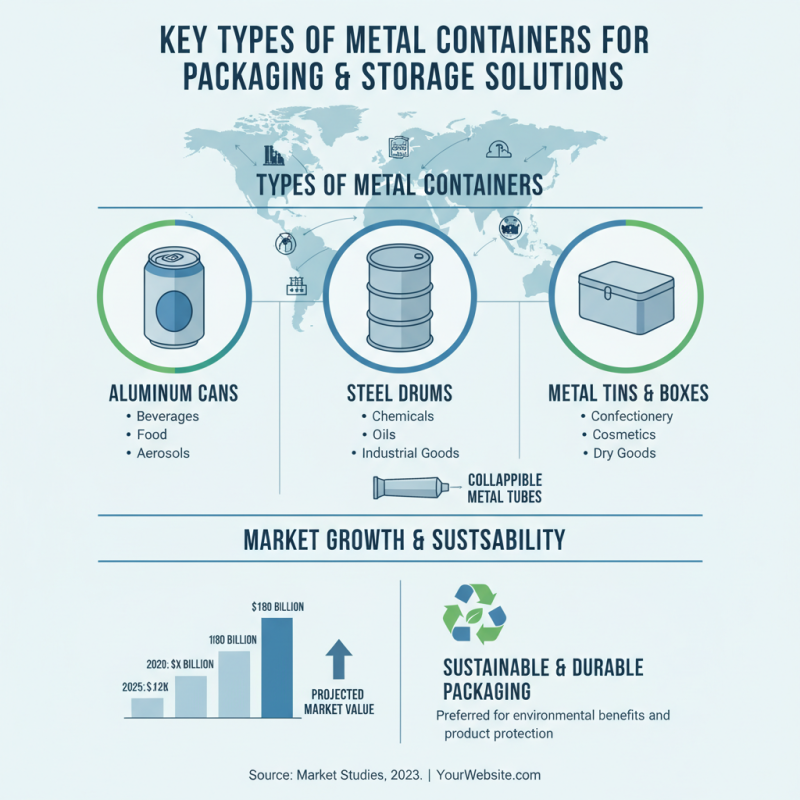
Metal containers play a crucial role in packaging and storage across various industries. The use of metal containers is projected to grow significantly. According to recent market studies, the metal packaging market is expected to reach USD 180 billion by 2025. This growth reflects a rising preference for sustainable and durable packaging options.
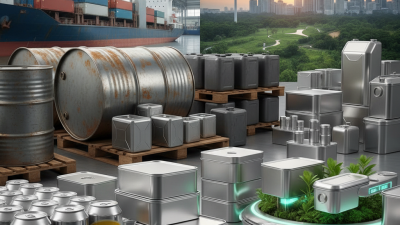
There are several key types of metal containers available for packaging. Steel tins are commonly used for food products due to their ability to protect contents from moisture and light. Aluminum cans are favored for beverages, as they are lightweight and fully recyclable. Each type of container offers unique benefits and challenges. For example, while aluminum is easily recycled, its production process can be energy-intensive.
Despite their advantages, there are some areas that require improvement. The environmental impact of metal extraction and processing is a concern. Companies must consider this when choosing materials for their packaging solutions. Investing in recycling technologies can mitigate some of this impact. Overall, understanding the various metal container types helps businesses make informed choices while promoting sustainability.
Market Trends: Growth Rate of China's Metal Container Sector (2023-2030)
China's metal container sector is experiencing rapid growth. The demand for high-quality packaging solutions continues to rise. Many industries rely on metal containers for their durability and protection. This trend is likely to persist as businesses focus on sustainability and safety.
From 2023 to 2030, projections indicate a remarkable growth rate. Various factors contribute to this trend. Increased environmental awareness drives companies toward recyclable materials. Metal containers align with these eco-friendly initiatives. Furthermore, the expansion of e-commerce boosts the need for reliable packaging. However, challenges related to production costs and competition must be addressed.
Market dynamics are shifting. Manufacturers are investing in technology to enhance production efficiency. Innovations in design and functionality are becoming essential. Nonetheless, maintaining quality while reducing costs remains a struggle. Companies must continuously adapt to consumer preferences and regulatory changes. The path forward is not without hurdles, but the opportunities are significant.
Sustainability Practices in China’s Metal Packaging Industry
In recent years, China's metal packaging industry has made strides towards sustainability. Companies have embraced eco-friendly practices to reduce their carbon footprint. Recycling metal containers is a key focus, with many facilities dedicated to the process. This effort not only conserves resources but also encourages circular economy principles. However, the recycling rate can still be improved across various regions.
Moreover, innovative technologies are being explored to enhance the sustainability of metal packaging. Brands are investing in lightweight materials, reducing the amount of metal needed while maintaining strength. This shift can lead to decreased energy consumption during the production lifecycle. Additionally, awareness of the benefits of metal packaging is slowly growing among consumers. Yet, challenges remain in educating the public about recycling and proper disposal.
While there is progress, it is essential to reflect on the overall effectiveness of these initiatives. The balance between production needs and environmental responsibility is delicate. Ensuring that all players in the industry prioritize sustainable practices is critical. Continuous dialogue and collaboration will play a vital role in driving these efforts forward. The journey toward a more sustainable metal packaging sector in China is ongoing, with both achievements and areas that need further improvement.
China Top Metal Containers for Packaging and Storage Solutions - Sustainability Practices in China’s Metal Packaging Industry
| Container Type |
Primary Material |
Recycling Rate (%) |
Average Lifespan (years) |
Sustainable Practices |
| Cans |
Aluminum |
70 |
10 |
Lightweight design, energy-efficient production |
| Drums |
Steel |
85 |
15 |
Reusability, minimal waste production |
| Bottles |
Tinplate |
65 |
8 |
Biodegradable coatings, use of recycled materials |
| Pails |
Aluminum |
75 |
12 |
Recyclable materials, efficient transportation packaging |
| Tins |
Steel |
80 |
11 |
Use of eco-friendly inks, post-consumer waste |
Comparative Analysis: Metal vs. Plastic Containers in Packaging Solutions
When comparing metal and plastic containers for packaging, several critical factors come into play. A recent industry report by MarketsandMarkets highlights that the global metal container market is projected to reach $131.92 billion by 2025, growing at a CAGR of 5.7%. This growth reflects the increasing awareness of sustainability and recyclability associated with metal containers. Metal containers can be reused and are often favored for their durability and ability to protect contents from external elements.
Choosing the right material can heavily influence product quality. Metal containers provide superior barrier properties against moisture, light, and air. According to a study from Smithers Pira, nearly 79% of consumers prefer packaging that preserves freshness and flavor, which metal excels in. However, metal containers may incur a higher initial cost compared to their plastic counterparts. This could be a consideration for some businesses.
Tips: Always assess the long-term value of packaging materials. Look for containers that match the product's specific needs. Engage with suppliers to ensure that the containers meet industry standards. Sustainability in packaging is not just a trend; it’s becoming a necessity. Metal containers’ recyclability makes them a prudent choice for eco-conscious brands. Balancing cost with functionality is key.



 +8618680445103