+8618680445103
Choosing reliable Metal Containers suppliers is rarely as simple as comparing catalog prices. Global buyers must examine material grades, forming accuracy, internal coatings, closure performance, and shipment consistency. A container may look flawless under warehouse lighting, yet fail after vibration, humidity, or repeated handling.
Robert Budway, President and CEO of the Can Manufacturers Institute, has stated, “Metal cans are infinitely recyclable.” His observation reflects one major advantage of metal packaging: strong protection with a potentially circular material stream. Still, recyclability does not excuse weak sourcing decisions. Buyers should verify recycled content, coating compliance, factory quality systems, and documented testing.
This guide introduces China’s top 10 Metal Containers suppliers for international purchasing teams. The evaluation considers manufacturing experience, export capability, production scale, customization, certifications, communication, and after-sales support. It also considers practical details, such as minimum order quantities, sample approval, pallet design, port access, and realistic lead times.
Small details matter.
A dependable supplier should provide dimensional reports, coating specifications, packing photographs, and traceable batch information. Clear answers usually reveal operational maturity. Vague promises may signal future delays.
The ranking is useful, but not perfect. Supplier strengths can change with ownership, raw-material costs, equipment upgrades, or regional demand. Buyers should conduct independent due diligence before signing contracts. Factory audits, product samples, and third-party inspections remain valuable safeguards.
The strongest partner is not always the cheapest. It is the supplier that protects product quality, delivery schedules, and long-term commercial trust.
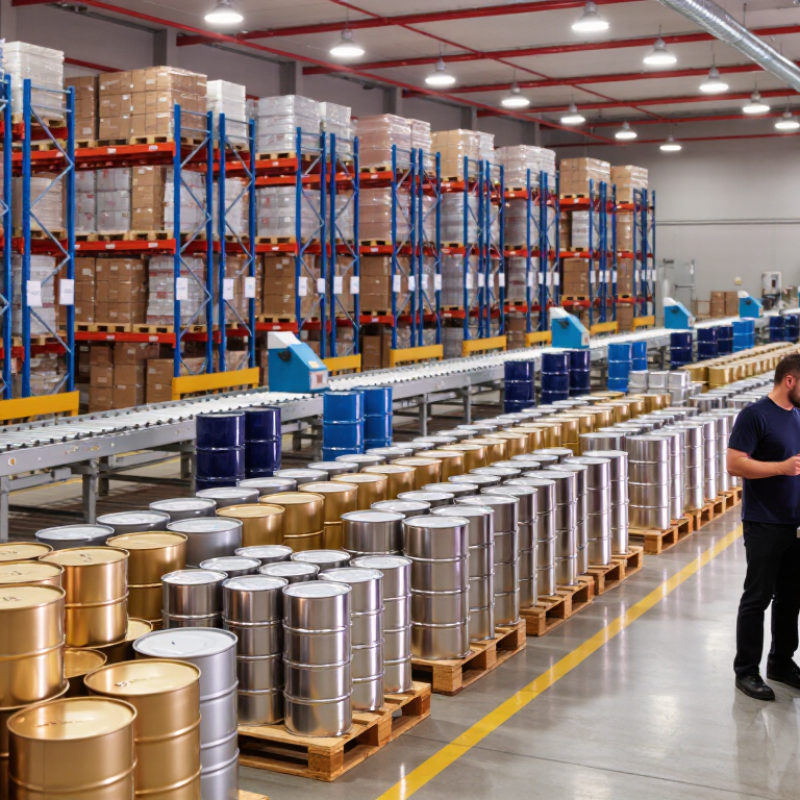
A leading metal container supplier in China is defined by more than factory size or attractive pricing. Experienced buyers examine material traceability, forming accuracy, and production consistency. Each steel or aluminum batch should carry identifiable records, including grade, thickness, and inspection results. This evidence supports reliable purchasing decisions.
Strong suppliers maintain clear control over tooling, welding, coating, and dimensional tolerances. A practical factory can explain how it checks container walls, seams, closures, and surface finishes. Sample units should survive handling tests, stacking pressure, and controlled environmental exposure. Independent laboratory testing can add confidence when specifications are critical. Clear technical drawings matter too.
Communication reveals operational maturity. A dependable supplier confirms drawings, packaging details, production schedules, and export documents in writing. It should report a defect instead of hiding it. That sounds basic. It is not always common. Buyers should request factory audits, process photographs, and recent quality records before placing large orders. Responsible suppliers also understand destination-market requirements without making unsupported legal claims.
No supplier performs perfectly every time. Even a capable factory may face material delays, tooling wear, or inconsistent subcontracting. The better question is how quickly and honestly it responds. A transparent corrective-action report is more valuable than a flawless sales presentation. Cost remains important, but weak traceability can create expensive rework, rejected shipments, and damaged customer trust.
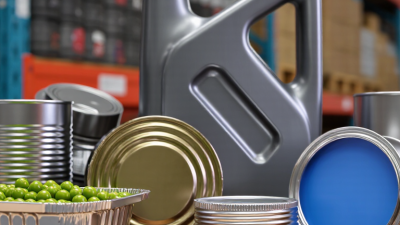
Selecting China’s top 10 metal container suppliers requires more than comparing online catalogs. The ranking begins with factory experience, production capacity, and verified export records. I examine how suppliers handle steel or aluminum specifications, surface treatment, sealing, and dimensional tolerance. Factory visits and sample orders reveal details that websites often miss, such as uneven welds or loose lids.
Quality systems receive careful attention. Auditors review material certificates, inspection reports, testing equipment, and corrective-action records. A reliable supplier should explain its process clearly, from raw material receipt to final packing. Lead time, minimum order quantity, packaging strength, and communication speed also affect the score. A low price cannot compensate for repeated delays or inconsistent dimensions.
Buyer feedback adds practical evidence. I compare delivery performance, product consistency, and support after shipment. Compliance documents matter, but documents alone do not prove daily discipline. Some suppliers perform strongly during audits yet struggle with urgent changes. That weakness deserves a lower ranking. No supplier scores perfectly, and the order may change as new data appears. The final top 10 reflects verified performance, not advertising visibility.
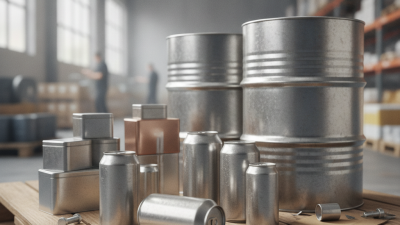
China’s leading metal container suppliers serve different purchasing needs, from small tins to industrial drums. Their strengths often depend on equipment, coating systems, and export experience. Buyers should request recent test reports, factory photos, and sample approvals before comparing prices.
The first supplier focuses on precision tin boxes for cosmetics, gifts, and dry goods. Its strength is clean printing and accurate lid fitting. The second produces aluminum cans with strong pressure control and consistent wall thickness. The third specializes in steel pails for coatings and household materials, offering practical handles and reinforced rims. The fourth supplies food-grade cans and maintains documented hygiene procedures. Its batch records are useful during quality reviews. The fifth operates flexible production lines for custom shapes, but smaller orders may receive less attention.
The sixth supplier manufactures aerosol-style containers for lawful household and personal-care uses, with strict pressure testing. The seventh serves chemical and maintenance industries with durable steel drums and secure closures. The eighth offers lightweight aluminum jars, reducing transport weight without sacrificing usability. The ninth is known for embossed and printed containers, although artwork approval can slow production. The tenth provides mixed-size orders and sourcing support for overseas buyers. This flexibility sounds attractive, but production schedules require careful confirmation.
In my experience, the strongest supplier is not always the cheapest. Material certificates, coating adhesion, drop tests, and closure checks reveal more than a polished catalog. Some factories communicate well but document weakly. Others provide excellent records yet respond slowly. Buyers should record these differences and reassess them before signing a purchase agreement.
The chart compares nominal capacities commonly specified for industrial metal containers available from Chinese manufacturers. These reference sizes include small cans, pails, and standard steel drums; the figures are product-format capacities rather than supplier-specific sales or production data.
China’s metal container sector serves food, chemicals, cosmetics, and general industrial packaging. Smithers projects steady global growth in metal packaging through 2028, driven by recyclability and long shelf life.
Product comparisons should cover tinplate cans, aluminum containers, steel drums, pails, and closures. Wall thickness matters. So do coating quality, seam strength, corrosion resistance, and dimensional tolerance.
Certificates need careful checking. ISO 9001 supports quality control, while ISO 14001 indicates structured environmental management.
Food-contact buyers may request FSSC 22000, BRCGS, FDA 21 CFR compliance, or EU Regulation 1935/2004 documentation. A certificate alone proves little. Ask for the issuing body, expiry date, factory address, and recent test reports. SGS industry testing commonly examines migration, coating adhesion, pressure resistance, and packaging integrity.
Capacity claims can mislead. Compare monthly output with active production lines, backup equipment, material sources, and peak-season lead times.
Export service should include English technical drawings, pallet specifications, container loading plans, inspection records, and traceable batch numbers. The World Bank’s logistics indicators show that border handling and shipment reliability remain major trade variables, not minor details.
I would request samples from the same production line used for mass orders. That step costs time. It can prevent expensive surprises.
Even strong suppliers may lack consistent communication across sales, engineering, and shipping teams. Buyers should test that process before signing a long-term agreement.
Choosing among China’s top metal container suppliers requires more than comparing unit prices. Global metal packaging demand remains substantial: Grand View Research valued the market at about USD 138 billion in 2023, with steady growth forecast through 2030. That scale attracts capable factories, but also creates uneven quality. Check production experience, export records, material traceability, and testing capacity before requesting a final quotation. A polished website proves very little.
Ask for recent audit reports, factory photographs, and samples from normal production, not specially prepared batches. Verify steel or aluminum grades against the required specification. Confirm wall thickness, coating performance, closure accuracy, and stacking strength through documented tests. The World Bank’s 2023 Logistics Performance Index placed China 19th globally, showing strong logistics capability, yet port delays and inland transport issues can still affect delivery. Build realistic buffer time.
Tips: Compare at least three suppliers. Request the same specification from each factory. Inspect a pre-shipment sample. Review defect rates and corrective-action records. Clarify tooling ownership, replacement parts, packaging, and inspection responsibility in writing. A low quote may hide thin material, weak coatings, or expensive tooling changes. I have seen buyers focus on price and regret ignoring communication speed. That judgment can fail. A supplier that reports one production problem early may be more reliable than one promising perfection. Recheck every assumption before signing.
| Rank | Major Manufacturing Region | Primary Metal Container Products | Common Materials | Typical Product Sizes | Indicative Monthly Capacity | Common Compliance Documents | Typical MOQ | Estimated Production Lead Time | Strongest Export Applications |
|---|---|---|---|---|---|---|---|---|---|
| 1 | Jiangsu and Zhejiang | Paint cans, chemical pails, closed-head steel drums | Tinplate, electrolytic tinplate, cold-rolled steel | 0.5–25 L cans; 20–25 L pails; 200 L drums | 800,000–1,500,000 units | ISO 9001; material certificates; coating and leak-test reports | 5,000–10,000 units | 25–40 days | Coatings, adhesives, industrial chemicals, lubricants |
| 2 | Guangdong and Fujian | Food tins, cookie tins, tea tins, promotional metal boxes | Food-grade tinplate; tin-free steel; aluminum | 50 g–5 kg capacity; custom rectangular and round formats | 1,000,000–2,500,000 units | ISO 9001; food-contact declarations; migration-test reports | 3,000–8,000 units | 20–35 days | Confectionery, tea, coffee, snacks, gift packaging |
| 3 | Shanghai and Zhejiang | Aerosol cans, general-line cans, pressurized product containers | Tinplate and low-carbon steel | 52–76 mm diameter; 100–750 ml capacity | 700,000–1,800,000 units | ISO 9001; pressure and burst-test records; coating specifications | 10,000–20,000 units | 30–45 days | Personal care, household products, industrial aerosols |
| 4 | Shandong and Hebei | Open-head drums, tight-head drums, steel pails | Cold-rolled steel; galvanized steel; painted steel | 10–25 L pails; 60–220 L drums | 300,000–900,000 units | ISO 9001; UN packaging test reports where applicable; leak-test records | 1,000–3,000 units | 25–40 days | Hazardous goods, lubricants, coatings, agricultural chemicals |
| 5 | Guangdong and Jiangxi | Aluminum bottles, aluminum cans, metal tubes | Aluminum alloy 3003, 3104, or equivalent grades | 30–1,000 ml capacity; 13–60 mm diameter | 500,000–1,500,000 units | ISO 9001; food or cosmetic contact documentation; dimensional inspection reports | 10,000–30,000 units | 30–50 days | Cosmetics, pharmaceuticals, beverages, personal care |
| 6 | Jiangsu and Anhui | Metal containers for lubricants, sealants, and construction chemicals | Tinplate; cold-rolled steel; aluminum closures | 250 ml–5 L cans; cartridge and pail formats | 400,000–1,000,000 units | ISO 9001; coating compatibility data; torque and sealing test records | 5,000–15,000 units | 25–45 days | Automotive chemicals, sealants, construction materials |
| 7 | Guangdong and Guangxi | Metal gift boxes, specialty tins, hinged-lid containers | Electrolytic tinplate; tin-free steel; printed tinplate | 50 g–3 kg capacity; custom shapes and embossed designs | 300,000–1,200,000 units | ISO 9001; food-contact ink and coating declarations; artwork approval records | 2,000–5,000 units | 25–40 days | Premium food, seasonal gifts, collectibles, retail packaging |
| 8 | Fujian and Zhejiang | Tea tins, coffee tins, spice containers, screw-top tins | Food-grade tinplate; aluminum; stainless steel components | 50 g–2 kg capacity; 50–180 mm diameter | 350,000–1,000,000 units | ISO 9001; food-contact declarations; seal and coating inspection reports | 3,000–10,000 units | 20–35 days | Tea, coffee, herbs, spices, dry-food products |
| 9 | Hebei and Liaoning | Industrial steel drums, transport containers, UN-rated packaging | Cold-rolled steel; galvanized steel; high-strength steel | 30–220 L capacity; open-head and tight-head designs | 250,000–700,000 units | ISO 9001; UN performance certificates when required; stacking and drop-test reports | 500–2,000 units | 30–50 days | Petrochemicals, hazardous materials, industrial raw materials |
| 10 | Chongqing and Sichuan | Small metal cans, hardware containers, specialty industrial packaging | Tinplate; cold-rolled steel; aluminum | 100 ml–10 L capacity; round, square, and rectangular formats | 200,000–600,000 units | ISO 9001; dimensional reports; coating, sealing, and compression-test records | 2,000–8,000 units | 30–45 days | Hardware, chemicals, automotive parts, maintenance products |
Note: The figures shown are practical benchmark ranges for comparable Chinese metal-container manufacturers rather than audited data for named companies. Buyers should verify current capacity, certifications, material grades, testing records, tooling ownership, export experience, and final landed cost before placing an order.