Top Tin Box Manufacturers in China for Global Buyers?
The demand for high-quality tin boxes continues to rise among global consumers. Tin boxes are versatile and eco-friendly packaging solutions, often chosen for their durability and attractive design. Finding the right manufacturer in China can be a daunting task for international buyers.
China is home to numerous tin box manufacturers, each with unique offerings. It's essential to understand the qualities that distinguish the best producers from the rest. Many manufacturers prioritize sustainability. They use high-quality metal and non-toxic finishes. These elements contribute to the overall appeal of their products.
However, some manufacturers may focus too much on cost-cutting, compromising quality. Buyers should be wary of overly cheap options that could lead to unsatisfactory products. Researching potential partners, examining their credentials, and assessing sample products are key steps in making informed decisions. Despite the challenges, partnering with the right tin box manufacturer can enhance brand identity and customer satisfaction.
Overview of Tin Box Manufacturing Industry in China
The tin box manufacturing industry in China plays a crucial role in the global market. With a rich history and robust infrastructure, this sector has rapidly evolved. Manufacturers often emphasize eco-friendly materials and innovative designs. The preference for tin boxes has grown due to their aesthetic appeal and durability. Many businesses seek packaging solutions that are both attractive and functional.
The production process involves several stages. Sourcing high-quality tin plates is the first step. Afterward, cutting and shaping are crucial. Many manufacturers invest in advanced machinery for precision. However, challenges include meeting international quality standards and addressing environmental concerns. Despite progress, some factories still struggle with waste management.
Quality control is essential in this industry. Regular inspections ensure that the final products meet buyer specifications. Yet, communication barriers can cause discrepancies. Buyers sometimes find it challenging to align their expectations with manufacturers' outputs. This highlights the need for clearer guidelines and improved practices within the industry. Continuous improvement is necessary for sustained success.
Top Tin Box Manufacturers in China for Global Buyers
| Manufacturer Location |
Annual Production Capacity (Units) |
Main Product Types |
Export Markets |
Certifications |
| Shenzhen |
3,000,000 |
Candy Boxes, Gift Boxes |
North America, Europe |
ISO 9001, FDA |
| Guangzhou |
2,500,000 |
Tea Tins, Cookie Tins |
Asia, Australia |
ISO 14001, BSCI |
| Dongguan |
4,000,000 |
Paint Cans, Storage Boxes |
Europe, Latin America |
ISO 9001, FSC |
| Xiamen |
1,800,000 |
Beverage Tins, Lunch Boxes |
Middle East, North America |
ISO 22000, CE |
| Ningbo |
2,000,000 |
Promotional Tins, Custom Tins |
Africa, South America |
ISO 9001, BRC |
Key Factors Driving Tin Box Production in China
China has emerged as a leading player in tin box manufacturing, driven by several key factors. The availability of affordable raw materials significantly lowers production costs. This has attracted both domestic and international buyers. Additionally, a skilled workforce ensures high-quality craftsmanship. Manufacturers leverage modern technologies to enhance efficiency.
In recent years, the demand for eco-friendly packaging has surged. Tin boxes are recyclable and durable, making them an attractive choice. Consumers increasingly prioritize sustainable options, pushing manufacturers to adapt quickly. Many producers are developing new, innovative designs that cater to evolving market needs. It’s this adaptability that sustains growth in the sector.
Tips: When selecting a tin box supplier, assess their commitment to sustainable practices. Ensure their production methods align with global standards. It's essential to evaluate quality control measures. A reliable partner should be transparent about their processes. Don't overlook their customer service; effective communication can prevent misunderstandings.
Leading Tin Box Manufacturers in China and Their Market Share
The tin box manufacturing industry in China has experienced significant growth. According to industry reports, the market size of tin boxes has reached approximately $1 billion in 2023, showing a steady increase over the last five years. Leading manufacturers are focusing on innovative designs and sustainable materials to attract global buyers. Many of them hold a substantial share of the market, with top players capturing over 50% collectively.
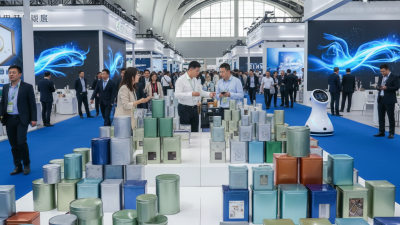
Tips for buyers: Leverage local trade fairs to connect with various manufacturers. This face-to-face interaction can help you assess quality and reliability firsthand.
Sustainability is now a crucial factor in production. Increased demand for eco-friendly packaging leads many manufacturers to seek recyclable materials. Despite these advancements, quality control remains a challenge in the industry. Inconsistent quality across suppliers can affect end-user satisfaction.
Consider implementing rigorous supplier evaluations to mitigate potential risks associated with quality issues. Engaging in regular audits can also help in maintaining high standards, ensuring products meet global norms.
Global Market Trends Affecting Chinese Tin Box Exports
The global tin box market is experiencing notable shifts due to various factors. According to a report by Grand View Research, the tin box market is projected to grow at a CAGR of 4.5% from 2021 to 2028. This growth is fueled by rising demand for sustainable packaging solutions. Consumers prefer tin boxes for their recyclability and durability, impacting export trends significantly.
Chinese tin box exports face challenges from increasing raw material costs and competitive pricing from other countries. Data from the China Customs indicates that tin box exports dropped by 12% in the last quarter of 2022. This decline illustrates the need for Chinese manufacturers to innovate. Adapting to global market preferences is essential to maintaining their competitive edge.
Moreover, the trend towards eco-friendly products is reshaping the industry landscape. The European market emphasizes sustainable sourcing and production practices, pushing Chinese manufacturers to adopt greener methods. Reports show that around 70% of consumers are willing to pay more for environmentally friendly packaging. The urgency for improvement is evident, as it highlights the gap between current capabilities and market expectations.
Quality Standards and Certifications for Tin Boxes in China
When sourcing tin boxes from China, understanding quality standards and certifications is crucial. Many manufacturers adhere to established guidelines that guarantee product safety and reliability. Common certifications include ISO 9001 for quality management and ISO 14001 for environmental management. Certifications help ensure that the products meet international standards.
For buyers, it is essential to verify these certifications before making a purchase. This can prevent quality issues later on. Look for companies that provide transparency regarding their production processes. Inspecting their workshop can also give you insights into their operational standards.
**Tip:** Always request samples before committing to bulk orders. This allows you to assess the quality of materials and craftsmanship. Keep an eye out for any signs of inconsistency in products. It can be an indication of potential quality issues.
Also, consider manufacturers that participate in third-party audits. This shows their commitment to maintaining high standards. It reflects accountability and a focus on continuous improvement. Buyers should prioritize these factors when choosing partners in the tin box industry.



 +8618680445103