What is a Tin Canister and Why is it Popular for Buyers?
The Tin Canister has gained immense popularity among buyers, particularly for its versatility and aesthetic appeal. Industry expert Dr. Emily Carter states, "The tin canister bridges functionality and style, making it a must-have in any home." Whether used for storage or decoration, these canisters enhance both organization and visual interest.
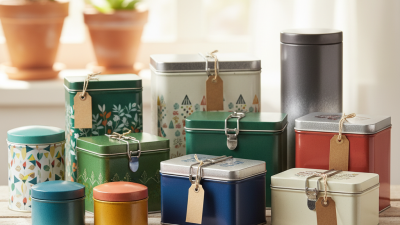
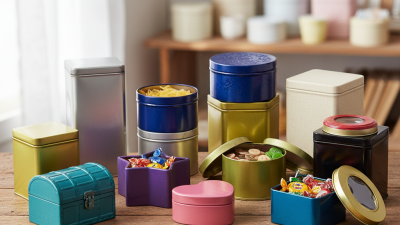
Tin canisters are not only practical but also bring a vintage charm to modern spaces. They come in various designs and sizes, making them suitable for numerous purposes. From kitchen storage to decorative pieces, their adaptability is noteworthy. However, not all canisters are created equal. Some may lack the durability expected from a quality tin product.
A closer look reveals differing opinions on sustainability in the tin canister industry. While many manufacturers emphasize recyclable materials, some may overlook responsible sourcing. Therefore, buyers should research brands thoroughly to choose reliable options that align with their values. The tin canister's popularity continues to grow, yet reflections on quality and sustainability remain essential for informed purchasing decisions.
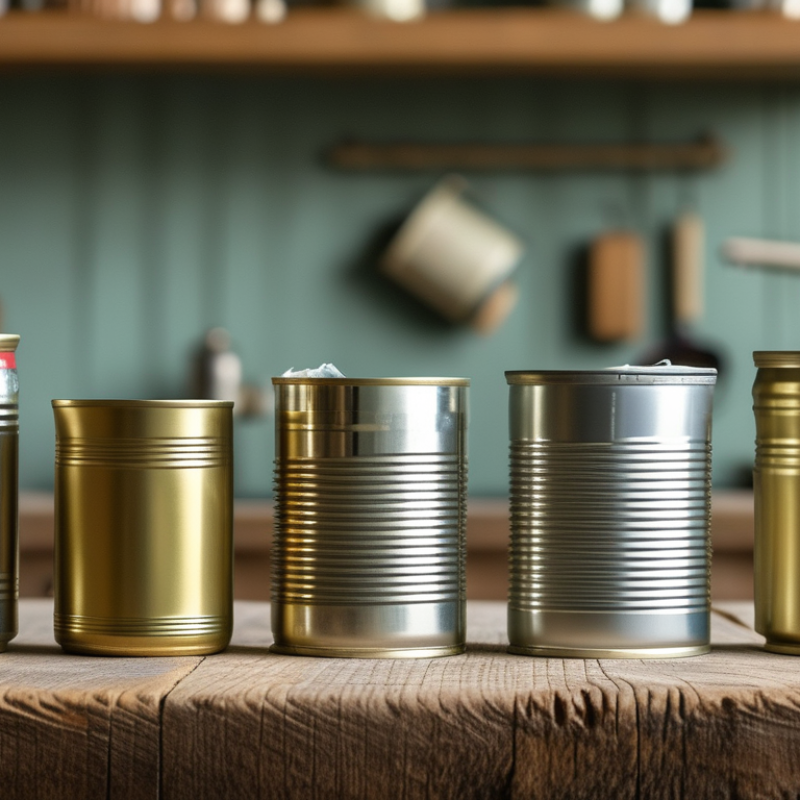
What is a Tin Canister? Definition and Overview of Its Structure
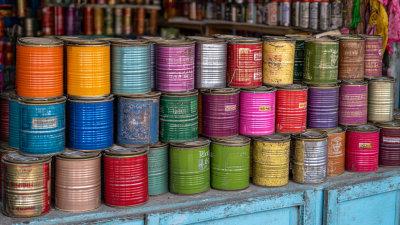
Tin canisters are versatile containers made primarily from metal. They boast a simple yet effective design. The structure typically includes a cylindrical body with a removable lid. This design helps preserve the contents inside, making it popular among consumers.
These canisters are commonly used for storage. They keep food items fresh, such as tea and coffee. The airtight seal prevents moisture and air from spoiling the ingredients. However, one can find challenges, such as dents that can compromise their integrity. A good canister should withstand wear, but not all do.
Moreover, tin canisters are also eco-friendly. Many are recyclable, which appeals to environmentally conscious buyers. Their durability enhances their appeal, but buyers often overlook proper maintenance. Cleaning is crucial to ensure longevity. A well-maintained canister remains an efficient storage solution.
Historical Background: The Evolution of Tin Canisters in Packaging
Tin canisters have a rich history that traces back to the early 19th century. Initially, they served as an effective solution for preserving goods. By the mid-1800s, tinplate became a popular material. It offered durability and resistance to rust. This marked a significant step forward in packaging technology. According to a report from the Packaging Machinery Manufacturers Institute, the use of tin canisters has grown steadily. In fact, over 30% of food products now utilize such packaging.
The evolution of tin canisters reflects changing consumer needs. Their lightweight nature and recyclability appeal to environmentally conscious buyers. Today's consumers favor products with sustainable packaging. The global market for tinplate packaging is expected to reach $23.5 billion by 2025, as stated in a recent market analysis. This shift highlights the importance of reliable packaging solutions. Still, some argue that the manufacturing process of tin canisters can have environmental drawbacks. The energy used in production and transportation is considerable.
Despite advancements, there are ongoing challenges in the tin canister market. For instance, ensuring product freshness while maintaining the integrity of the can is complex. Innovations in lining materials are being explored to improve shelf-life. However, adoption remains slow as companies weigh costs. The balance between sustainability and functionality continues to be a hot topic in the industry.
What is a Tin Canister and Why is it Popular for Buyers?
| Dimension |
Description |
Historical Significance |
Current Use |
Reasons for Popularity |
| Material |
Tinplate steel, commonly coated with a layer of tin. |
Became popular in the 19th century for preserving perishables. |
Used for packaging coffee, tea, and gourmet food items. |
Durability and ability to retain freshness. |
| Design |
Often features intricate, vintage aesthetics. |
Reflects art and culture from the era of initial production. |
Appeals to collectors and gift-givers. |
Visual appeal enhances brand value. |
| Size Variations |
Ranges from small to large canisters. |
Adapted for various contents over decades. |
Custom-sized for specific products. |
Versatile for different consumer needs. |
| Sustainability |
Recyclable and often reused by consumers. |
An eco-friendly alternative to plastic packaging. |
Growing demand for sustainable products. |
Reflects consumers' environmental consciousness. |
| Cultural Impact |
Represents nostalgia and heritage. |
Historically significant in preserving cultural foods. |
Showcases traditional packaging methods. |
Connects consumers to their heritage. |
Key Benefits of Tin Canisters: Durability, Preservation, and Recyclability
Tin canisters have gained popularity among buyers for several compelling reasons. Their durability stands out as a significant advantage. Made from robust materials, tin canisters resist dents and moisture. This helps in protecting their contents effectively. Durability ensures that these canisters hold up well under various conditions, making them ideal for long-term storage.
Preservation is another key benefit. Tin canisters create a tight seal that safeguards food and other items from air and light. This feature helps maintain freshness and flavor for extended periods. People often choose them for coffee, tea, and spices. The preservation aspect not only enhances quality but also reduces waste, as products remain consumable for longer.
Recyclability is an increasingly important factor for environmentally-conscious consumers. Tin is one of the most recycled materials globally. Buyers appreciate the eco-friendly aspect of choosing tin canisters. They can dispose of them responsibly, reducing their environmental footprint. However, while recyclability is a strong selling point, many consumers may overlook proper disposal practices. Reflections on these practices could encourage better habits for a sustainable future.
Market Trend Analysis: Growing Popularity Among Consumers and Industries
The tin canister has gained significant traction in various markets lately.
A blend of tradition and modern utility, it stands out for both consumers and industries.
Many appreciate its sturdy and reusable design.
This factor alone appeals to environmentally conscious buyers.
The canister’s ability to protect contents from moisture and air further enhances its desirability.
In industries like food and cosmetics,
tin canisters serve as reliable storage solutions. They preserve quality and extend shelf life.
Consumers are searching for packaging that prioritizes freshness and sustainability.
Makers of these canisters have noticed a rise in requests for customized designs.
This trend highlights a growing preference for visually appealing products.
Yet, not every aspect is perfect. Some consumers find tin canisters heavier than plastic.
Additionally, specific designs might not appeal to everyone.
Creating a balance between functionality and aesthetics can be challenging.
Marketers and producers need to adapt quickly to shifting demands and preferences.
Understanding these nuances may lead to even broader acceptance of tin canisters in various segments.
Industry Insights: Data on Tin Canister Usage and Market Share Growth
Tin canisters have become increasingly popular in various industries, primarily due to their durability and versatility. Data suggests that the tin canister market has seen significant growth in recent years. With a notable rise in consumer demand, it’s clear that buyers are turning to these containers for both functional and aesthetic purposes.
Market statistics reveal an upward trend in tin canister usage across diverse sectors. Food and beverage packaging is a major driver. These canisters are lightweight yet sturdy, making them ideal for preserving freshness. Additionally, many companies are recognizing the eco-friendly aspect of tin canisters, which are recyclable and more sustainable than plastic alternatives. However, this trend raises questions about the balance of sustainability in manufacturing processes.
The growth isn’t without challenges. Some manufacturers face difficulties in sourcing high-quality tin. Regulatory issues may complicate production methods. Furthermore, as consumer preferences evolve, the industry must adapt quickly to maintain relevance. Buyers seek uniqueness and originality, but that sometimes leads to oversaturation of designs. Reflecting on these aspects can help businesses navigate the complexities of this fledgling market.
Popularity of Tin Canisters in 2023



 +8618680445103