Top Tips for Sourcing Tin Containers Effectively?
When sourcing tin containers, it's essential to understand the landscape of the market. Tin containers are highly sought after for their versatility and durability. They are used in various industries, from food packaging to cosmetics and even DIY projects. However, finding the right supplier can be challenging. The competition is fierce, and quality varies significantly.
Identifying reputable suppliers is crucial. Look for manufacturers with a solid track record in producing tin containers. Check their certifications and customer reviews. A company's reputation speaks volumes about their product quality. Don't hesitate to ask for samples before making larger orders. This step is vital to ensuring you receive what you need.
Also, consider the variations in design and size. Different applications may require specific types of tin containers. Whether you seek a sleek, modern design or a more traditional look, options abound. Reflect on your brand's needs. The right tin container can enhance your product's appeal and functionality, so take your time to choose wisely.
Understanding the Types of Tin Containers Available in the Market
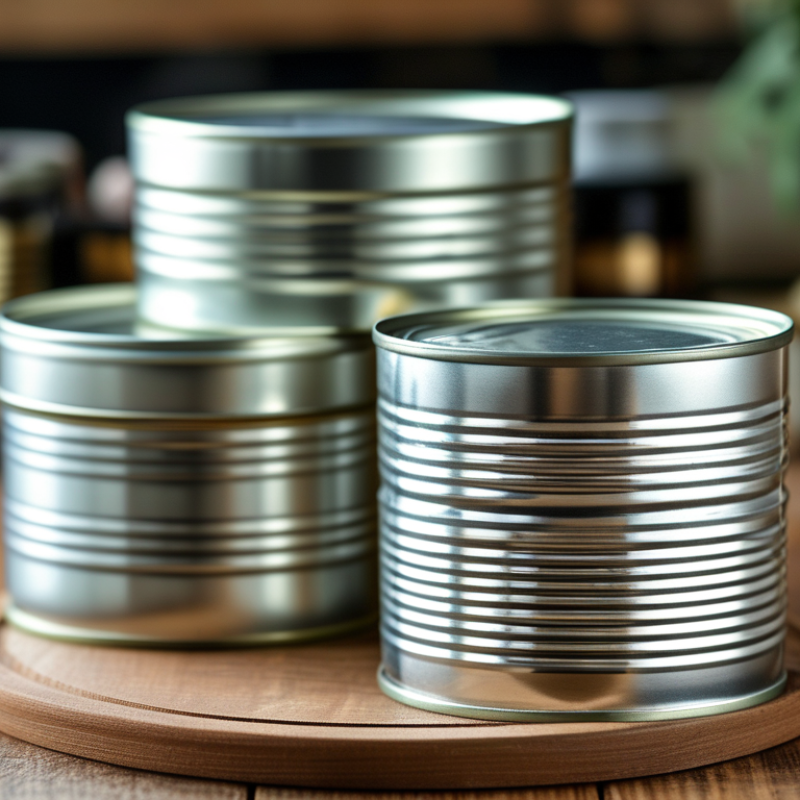
When sourcing tin containers, understanding the varieties available is crucial. Tin containers come in multiple forms, each suited to different purposes. You can find small tins, ideal for packaging cosmetics, or larger containers for food products. Each type offers unique characteristics, making it essential to evaluate your needs before selecting one.
There are round, square, and rectangular shapes of tin containers. Round tins often appeal to businesses targeting the beauty and gourmet industries. Meanwhile, rectangular tins are frequently used for storage and shipping. The finish also varies, from glossy to matte, which influences brand perception. Whether you prefer printed designs or plain finishes, your choice should resonate with your target audience.
Considering the functionality is key. For example, some tins have airtight seals while others may not provide such features. Depending on your product’s requirements, this can affect both preservation and customer satisfaction. Additionally, the weight and durability of the tin can significantly impact shipping costs and inventory management. Reflecting on these aspects can guide you towards making more informed sourcing decisions.
Top Tips for Sourcing Tin Containers Effectively
| Type of Tin Container |
Capacity (ml) |
Common Uses |
Advantages |
Considerations |
| Round Tin Containers |
100 - 1000 |
Candy, Cookies, Cosmetics |
Durable, Recyclable, Attractive |
Cost may vary with size |
| Rectangular Tin Containers |
200 - 2000 |
Gift Items, Tea, Coffee |
Space-saving, Stackable |
Limited design options |
| Square Tin Containers |
500 - 1500 |
Snacks, Gifts |
Unique design, Good branding area |
May be harder to stack |
| Decorative Tin Containers |
250 - 1000 |
Collectibles, Special Occasions |
Aesthetic appeal, Great for gifting |
Higher production costs |
| Tin Canisters |
100 - 1500 |
Spices, Small Goods |
Tight sealing, Versatile size |
Potential for rust if not coated |
Assessing Quality and Durability When Sourcing Tin Containers
When sourcing tin containers, quality and durability are paramount. A sturdy tin container protects its contents from environmental factors. Consider options that feature thicker walls. Thin walls may bend easily and compromise their integrity. Additionally, check for rust resistance. Containers designed with special coatings can prevent wear over time, ensuring longevity.
Inspection of seams and closures is crucial. Flimsy closures can lead to leaks or spills. This diminishes the container’s reliability. Look for containers with secure lids that provide a tight seal. Ensure that the manufacturing process is up to industry standards. Research whether the supplier has quality certifications. Understanding these factors can guide effective sourcing decisions.
Further evaluations can include real-world testing. Get samples and assess their performance under different conditions. Observe how they stack and transport. Gather feedback from users to identify any weaknesses. Learning from these insights can enhance your sourcing strategy. Effective sourcing requires attention to both quality and user experience. Aim for containers that withstand daily use while also meeting aesthetic needs.
Quality and Durability Assessment of Tin Containers
Finding Reliable Suppliers for Tin Containers
Finding reliable suppliers for tin containers requires a strategic approach. The global tinplate market is projected to grow at a CAGR of 3.2% from 2021 to 2026, emphasizing the importance of sourcing high-quality materials. This growing demand hinges on the food and beverage industry, which heavily relies on safe packaging. When negotiating with potential suppliers, verifying their certifications and quality assurance practices is essential.
Establishing strong relationships with suppliers often leads to better pricing and service. However, it’s important to maintain transparency in communication. Many suppliers face challenges in meeting production deadlines. According to market research, nearly 30% of manufacturers experience delays due to supply chain issues. Evaluating a supplier’s reliability through references and past performance can mitigate risk. Shorter lead times often indicate a supplier's ability to manage their operations effectively.
Consider diversifying the supplier base for better stability. Sole reliance on one supplier can leave businesses vulnerable to disruptions. Engaging in trade shows and industry conferences can help uncover new potential partners. These venues offer a chance to test products and discuss specific requirements. Reliability should always be a critical evaluation point when selecting suppliers.
Evaluating Cost-Effectiveness and Pricing Strategies
When sourcing tin containers, cost-effectiveness is key. Start by analyzing different suppliers. Look for transparent pricing. Compare quotes from various sources. Each supplier may have hidden costs or offer discounts. This is where attention to detail matters.
Understand the material and production processes. Evaluate the quality of tin used. Thinner tins may lower costs but can lead to a poor user experience. You might need to balance quality against price. Cheap containers can reflect poorly on your product. Quality is often worth the investment.
In pricing strategies, consider bulk purchasing. Larger orders typically reduce costs per unit. However, it’s essential to estimate your sales volume accurately. Overestimating can lead to excess inventory. Shipping costs can also add up, affecting the total expenditure. It's crucial to factor in all these elements to achieve the best deal. Keep refining your sourcing strategies for improved results.
Sustainable Sourcing Practices for Tin Container Procurement
Sustainable sourcing practices are vital for tin container procurement. The global demand for sustainable products has surged. According to the latest industry report, 63% of consumers prefer eco-friendly packaging. This shift emphasizes the need for businesses to adapt their sourcing strategies.
One effective tip is to engage with suppliers who prioritize sustainability. Look for those using recycled tin or responsible mining practices. Engaging in partnerships with suppliers focused on reduced environmental impact can enhance your brand's reputation. Remember, transparency is crucial. Suppliers should provide clear information on their sourcing methods and material origins.
Additionally, consider lifecycle assessments. They offer valuable insights into the environmental impact of materials. A recent study revealed that sustainable practices can reduce production waste by up to 30%. This isn't just beneficial for the planet; it can also save costs in the long run. Explore innovative materials and processes that align with your sustainability goals. By prioritizing responsible sourcing, companies can thrive while supporting eco-friendly initiatives. Adapting to these practices isn't always easy, but the benefits are undeniable.



 +8618680445103