Top 10 Metal Cans Suppliers in China for Global Buyers?
The global metal can industry plays a vital role in packaging, with significant growth projected over the next years. According to recent market research, the metal can market is expected to reach USD 55 billion by 2025. This surge is driven by the increasing demand for sustainable packaging solutions. Metal cans are durable, recyclable, and safe for food and beverages, making them an ideal choice.
China stands out as a prominent player in metal can production, contributing to a substantial share of the global market. With numerous suppliers, finding the right partner can be daunting for global buyers. Quality, pricing, and compliance with international standards are critical factors to consider. Reports indicate that China produces about 75% of the world's metal beverage cans. This dominance reveals the importance of sourcing from reliable manufacturers.
However, not all suppliers ensure high quality or ethical practices. It is essential for buyers to evaluate potential suppliers based on experience and industry reputation. A comprehensive understanding of the landscape, along with careful assessment, can lead to fruitful partnerships. As demand grows, the challenge lies in navigating a market filled with options while ensuring sustainability and reliability in sourcing metal cans.

Overview of the Metal Can Industry in China
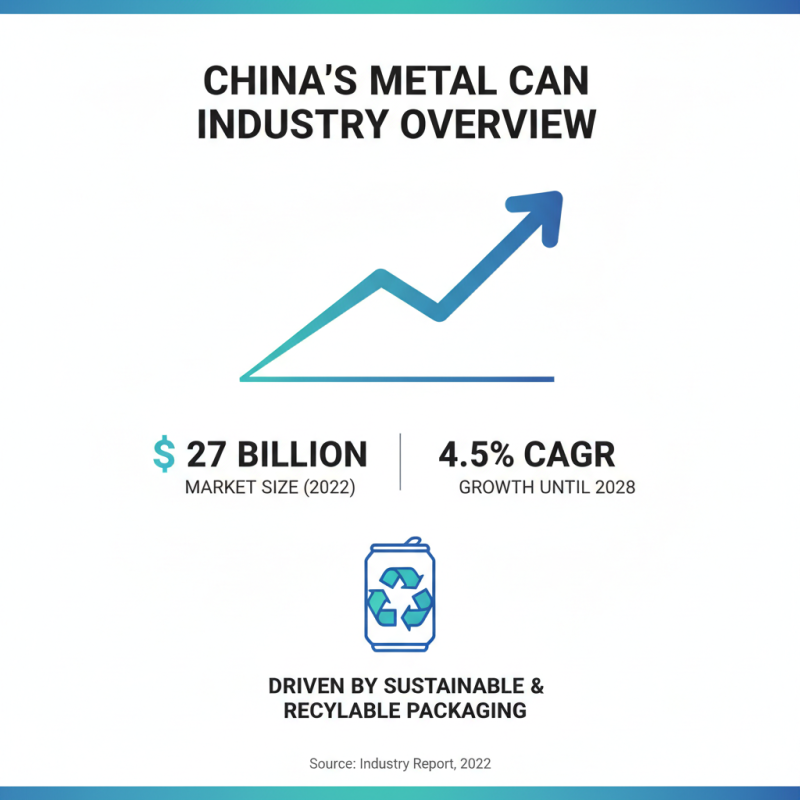
The metal can industry in China is growing rapidly. In 2022, the market size for metal cans reached approximately $27 billion. This sector is expected to continue expanding at a compound annual growth rate (CAGR) of around 4.5% until 2028. This growth is driven by increased demand for sustainable and easily recyclable packaging solutions.
Chinese manufacturers are becoming leaders in this field. Factors like advanced technologies and skilled labor contribute to high-quality products. The country's vast production capabilities enable suppliers to meet global demand effectively. However, challenges exist. There is pressure to maintain quality while keeping costs low. Additionally, supply chain disruptions can impact delivery times and pricing for international buyers.
Emerging trends, such as the rise of environmentally friendly materials, are reshaping the industry landscape. Companies are increasingly focusing on innovations like lightweight designs and coatings that enhance durability. It remains essential for suppliers to adapt continually and embrace new practices. Balancing efficiency and sustainability is key for future growth and competitiveness.
Criteria for Selecting Metal Can Suppliers
When selecting metal can suppliers in China, buyers should consider several key criteria to ensure quality and reliability. First, assess the supplier's experience in the industry. Reliable suppliers often have at least five years of experience, which reflects stability and reliability. According to industry reports, over 40% of successful projects stem from partners with substantial sector knowledge.
Quality assurance is another critical factor. Look for suppliers that adhere to international standards such as ISO 9001. Certifications indicate a commitment to consistent quality in production processes. Additionally, verify that the supplier conducts regular inspections to maintain product integrity. Research indicates that 70% of product failures can be traced back to quality control lapses.
Tips: When evaluating suppliers, request samples. This helps to assess the quality and suitability of the metal cans. Also, consider the geographical location of the supplier. Proximity can reduce shipping costs and lead times, enhancing the overall supply chain efficiency.
Moreover, understanding the supplier's production capacity is essential. Ensure they can meet your demand without compromising quality. Industry trends show that flexibility in production scales can help avoid shortages, which are common when suppliers overcommit. Evaluate their ability to respond to fluctuating market demands as this can significantly impact your operations.
Top 10 Metal Cans Suppliers: Company Profiles and Offerings
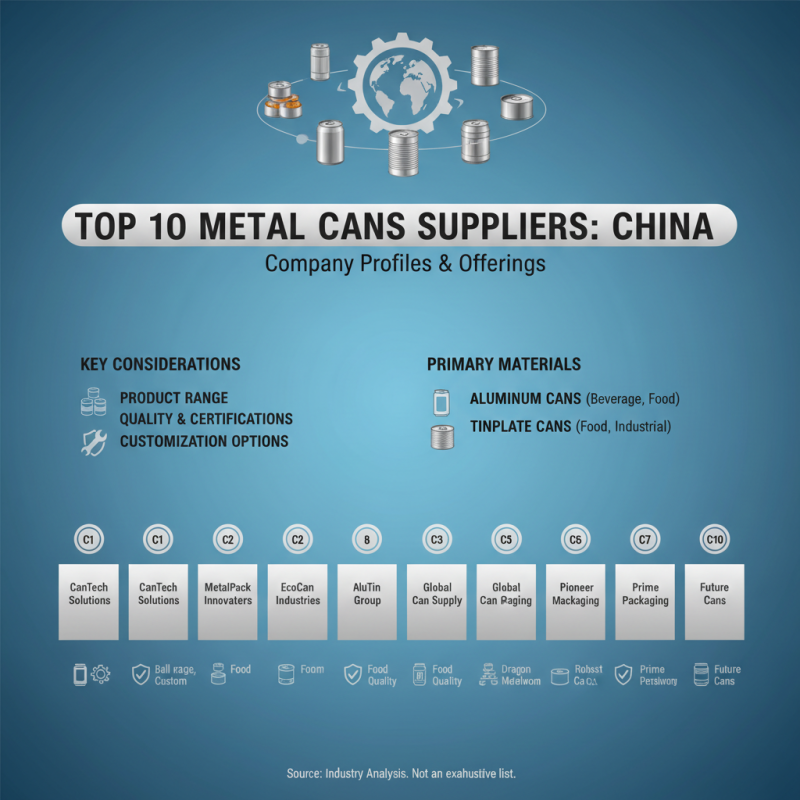
China is home to a diverse range of metal can suppliers. These companies vary significantly in their offerings and expertise. Buyers should consider factors such as product range, quality, and customization options. Many suppliers offer aluminum and tinplate cans, catering to various industries.
Experience matters in this sector. Established suppliers often have better quality control and reliable production capabilities. Assessment of a company’s production process is crucial. Buyers may want to visit factories or request detailed specifications. Quality certifications can also reflect a company's commitment to standards.
Customization is a vital feature for many buyers. Suppliers often provide design services, allowing for unique branding. However, not all suppliers excel in communication. Clear discussions about specifications save time and prevent misunderstandings. Global buyers need to ensure suppliers offer flexibility. This ensures that changing requirements can be accommodated. It's recommended to compare multiple suppliers before making a decision.
Market Trends Influencing Metal Can Supply in China
The metal can supply market in China is evolving. Several trends are influencing suppliers and global buyers. One major factor is the rising demand for sustainable packaging. Eco-friendly solutions are gaining popularity, prompting manufacturers to adapt. This shift affects sourcing strategies for international buyers.
Another trend is the innovation in can design and functionality. Lightweight materials are becoming standard. Supplies need to meet this demand for efficiency. Many companies focus on enhancing production processes to keep up. Global buyers must stay updated on these advancements.
Tips: When choosing suppliers, consider their commitment to sustainability. Look for manufacturers with transparent practices. Collaborating with suppliers focused on innovation can be beneficial. Many businesses overlook the importance of certifications. Ensure your chosen supplier meets quality standards for reliability.
Top 10 Metal Cans Suppliers in China for Global Buyers
| Rank |
Supplier Type |
Annual Production (Million Units) |
Key Markets |
Export Percentage |
| 1 |
Food & Beverage |
150 |
North America, Europe |
70% |
| 2 |
Personal Care |
120 |
Asia, Middle East |
60% |
| 3 |
Paints & Chemicals |
90 |
Europe, Australia |
65% |
| 4 |
Non-Food Industrial |
80 |
Africa, South America |
50% |
| 5 |
Carbonated Beverages |
200 |
Global |
80% |
| 6 |
Energy Drinks |
70 |
North America, Europe |
75% |
| 7 |
Juice & Drinks |
110 |
Asia, Europe |
68% |
| 8 |
Household Products |
85 |
North America, Asia |
55% |
| 9 |
Specialty Cans |
60 |
Global |
80% |
| 10 |
Beverage Packaging |
95 |
Africa, South America |
52% |
Tips for Global Buyers When Working with Chinese Suppliers
When collaborating with Chinese metal can suppliers, effective communication is essential. Understand cultural differences that may affect negotiations. High context communication can be common. Aim for clarity in your requests. Be precise with specifications, such as size, capacity, and materials. Visual aids can bridge gaps in understanding.
Another critical point is quality control. Establish clear quality standards from the outset. Request samples before placing large orders. This step can prevent costly mistakes later. Regularly conduct inspections during production. This keeps both parties accountable. Trust is built through transparency in quality assurance.
Be prepared for possible delays. Manufacturing in China can encounter unforeseen issues. Consider flexible timelines to accommodate potential setbacks. This approach helps maintain good relationships with suppliers. A respectful attitude goes a long way. Acknowledge cultural nuances while remaining assertive about your needs.



 +8618680445103