
+8618680445103
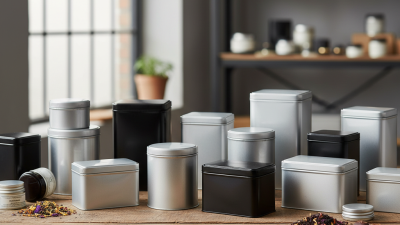
Metal Tins remain a versatile packaging option in 2026, but the right type depends on the product and its everyday use. A round slip-lid tin can suit small accessories or mints, while a hinged-lid design offers quick access to items used often. Rectangular tins stack neatly on shelves and in shipping cartons. Shallow tins work well for compact products, while deeper bodies hold bulkier contents. The details matter. A lid that feels secure, smooth edges, and a consistent finish can make a tin easier to handle and more dependable.
This guide explores popular Metal Tins, including hinged-lid, slip-lid, screw-top, window, and custom-shaped options. It considers practical factors such as capacity, closure style, storage, decoration, and the feel of the metal. For products that touch food, check the intended use, interior coating, and supplier documentation before choosing a tin. A polished exterior alone does not confirm suitability. Small samples can also reveal issues that product photos miss, like a stiff lid or a finish that scratches easily. That is the less glamorous part, but it matters. There is no single best tin for every brand, and some choices involve compromises between cost, appearance, and convenience. A clear comparison can help buyers narrow the options and ask suppliers better questions. And sometimes, the simplest tin is the right one.
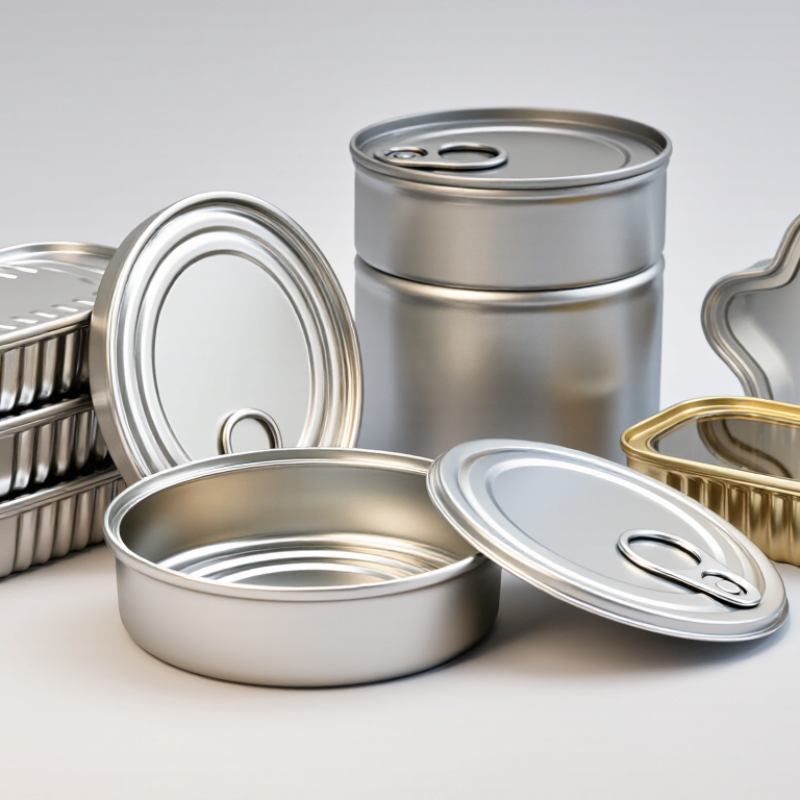
A metal tin is a rigid container made from tin-coated steel or, in some cases, aluminum. In everyday use, “tin” often describes the container, not its exact metal composition. That distinction matters. A typical tin has a shaped body, a base, and a fitted lid. Rolled edges help smooth exposed rims, while seams join parts of the body. Lid designs vary, from simple slip-on tops to hinged closures.
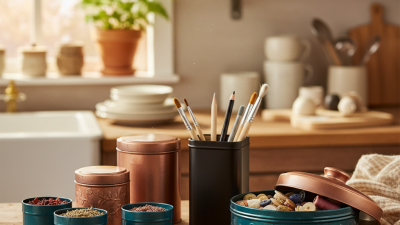
Common formats include round, rectangular, shallow, and tall tins. Slip-lid tins suit small dry goods, tea, or craft supplies because they open quickly. Hinged-lid styles stay attached to the container, so the lid is less likely to get misplaced. Shallow tins can hold items that need easy access, while taller forms use less shelf space for compact products. Metal tins can also be reused, though dents, worn coatings, or loose lids may affect their usefulness.
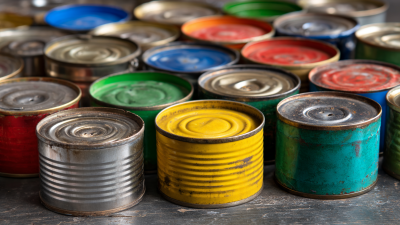
What Are the Top Metal Tin Types for 2026?
Main Materials Used in Modern Metal Tin Packaging
Despite the name, most “tin cans” are not made from solid tin. They use thin steel coated with tin, known as tinplate. Steel provides strength, while the coating helps resist corrosion. Tinplate works well for food cans, paint containers, and decorative tins, where firm walls and clear printed details matter. That distinction is easy to miss.
Tin-free steel, often coated with chromium, is another option. It is used for can ends, closures, and some drawn containers, but forming and joining require careful process control. Aluminum offers a lighter alternative and can be shaped into cans, trays, and shallow containers. The International Aluminium Institute reports that recycling aluminum uses about 95% less energy than producing primary aluminum. A useful benchmark, though the actual benefit depends on collection and recycling systems.
Material choice also affects recovery. APEAL reported that Europe’s steel packaging recycling rate was 80.5% in 2022. That figure does not mean every package is recovered equally. Coatings, labels, mixed-material parts, and local sorting all matter. For a small tin, check the lid and body separately: different metals can complicate sorting, even when the main container is recyclable.
Metal tins remain popular because they stack neatly, protect contents from light, and suit both retail shelves and home storage. Grand View Research estimated the global metal packaging market at about US$140 billion in 2023, reflecting steady demand across food, personal-care, and household products. The figure covers more than tins alone, but it signals a broad market.
Tinplate steel tins are strong and readily shaped, making them common for foods, tea, and gift packaging. Their thin tin coating helps resist corrosion, though seams and interior coatings still need careful quality checks.
Aluminum tins are lighter and naturally resist rust, making them useful for small containers and travel-size products. Light, but dent-prone.
Tin-free steel, also called electrolytic chromium-coated steel, offers a firm surface for drawn or printed containers.
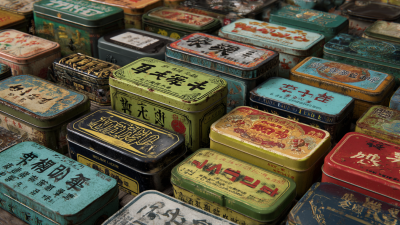
Decorative steel tins add tactile appeal, yet their reuse depends on durable hinges and finishes. APEAL’s European steel-packaging data reported recycling above 80%, supporting steel’s established recovery infrastructure.
Tips: Match the tin to its contents, not just its appearance. Check the lid fit, lining, and edge finish; a beautiful tin can still disappoint if it leaks or dents easily. For dry goods, a tight-fitting lid matters more than a glossy finish.
Metal-tin performance depends on details customers may never notice. The internal coating must suit the contents, storage period, and filling process. Common choices include epoxy-based, polyester, and acrylic systems, but no coating works for every product. Ask suppliers for migration, corrosion, and adhesion test results under realistic conditions. A coating that passes a dry test may still fail after damp storage. That matters.
Closures shape both usability and protection. Friction-fit lids suit frequent access; threaded or tight-seam closures can help limit moisture exchange. Check the lid’s feel, edge safety, and fit after repeated opening. For decoration, matte finishes soften glare, while gloss highlights fine scratches. One trade-off is easy to miss: elaborate embossing can complicate stacking and raise tooling costs. The US EPA’s 2018 materials-flow report estimated a 73.4% recycling rate for steel packaging, a useful historical benchmark, not a current guarantee. The International Aluminium Institute’s 2022 Global Aluminium Cycle report estimated that about 75% of all aluminium ever produced remains in use. These figures support designing tins with compatible materials and removable, clearly specified components. Test the whole tin, not just its lid. A beautiful sample can still disappoint at production scale.
Representative symmetric electrolytic tinplate coating options
The designations show nominal tin coating mass per side; the chart adds both sides together. For example, 2.8/2.8 represents 2.8 g/m² on each side, or 5.6 g/m² total. Lacquers, printing, and closure designs are separate choices layered onto the tinplate. Values are representative coating designations referenced in EN 10202.
Choosing a metal tin starts with its job, not its appearance. For dry goods, small gifts, or stationery, tinplate steel offers a firm body and crisp printed surfaces. Aluminum tins are lighter and corrosion-resistant, which can help in humid storage. Stainless steel suits repeated use, though it usually costs more. “Tin” can describe different metals, so check the material specification.
Match the shape and closure to the product. A shallow hinged tin makes small items easy to reach; a screw-top container can reduce spills in a bag. For powders or moisture-sensitive contents, inspect the lid fit, seam, and interior coating. Ask suppliers for coating details and relevant food-contact documentation when contents touch the metal. A sample is useful. Still, one sample may not reveal production variation.
Consider how tins will be filled, stacked, and shipped. Square walls use shelf space well, while rounded corners may reduce dents during handling. Measure the product and leave room for inserts or protective wrapping. Check weight limits and stacking strength with a realistic loaded test, not an empty tin. Small details matter. A finish that looks attractive under showroom lights may show scratches after transport, so test it in ordinary conditions.
| Metal Tin Type | Typical Construction | Key Characteristics | Common Applications | Best Choice When | Important Considerations |
|---|---|---|---|---|---|
| Tinplate steel | Low-carbon steel sheet coated with a thin layer of tin; may also use an interior coating or lacquer. | Strong, formable, and magnetic. The tin coating helps protect the steel from corrosion, while the steel provides rigidity. | Food cans, tea and confectionery tins, biscuit containers, paint cans, and general-purpose packaging. | You need a durable, widely used steel container that can be shaped into many sizes and designs. | Suitability for food or other sensitive contents depends on the product, seam design, and any internal coating. Steel can corrode if exposed where its protective layers are damaged. |
| Aluminum | Aluminum sheet or formed aluminum, sometimes with a protective coating or printed finish. | Lightweight, naturally corrosion-resistant in many environments, and non-magnetic. It conducts heat well and can be formed into containers. | Small screw-top tins, cosmetics and personal-care packaging, balm containers, travel-size containers, and lightweight food packaging. | Low weight, easy portability, or a non-magnetic container is a priority. | Aluminum is generally softer than steel and can dent more easily. Compatibility with acidic, salty, or otherwise reactive contents should be checked for the specific alloy and coating. |
| Tin-free steel (TFS) | Steel sheet with a chromium-based surface treatment rather than a tin coating; often used with a suitable organic coating. | Retains the rigidity and magnetic properties of steel. Its surface is designed for coating adhesion and specific packaging uses. | Can ends, closures, and selected drawn or formed packaging components. | You need a steel packaging material suited to a coated surface or a particular closure and forming process. | It is not the same material as tinplate. The surface treatment and coating system must suit the contents, forming method, and intended use. |
| Stainless steel | Steel alloy containing chromium, formed into a reusable container; exact grade and finish vary. | Resistant to rust and staining in many everyday conditions, durable, and magnetic or non-magnetic depending on the grade. | Reusable lunch and storage containers, kitchen canisters, and durable personal-care or travel containers. | Repeated use, a long service life, and a robust container are more important than the lowest material cost. | Corrosion resistance depends on the grade, surface condition, and exposure. Stainless steel is typically heavier and more costly than thin packaging steel or aluminum. |
Selection tip: Compare the container material, seams, closure, and internal coating with the contents and storage conditions. For food, cosmetics, chemicals, or other regulated products, verify applicable material and safety requirements for the specific use.