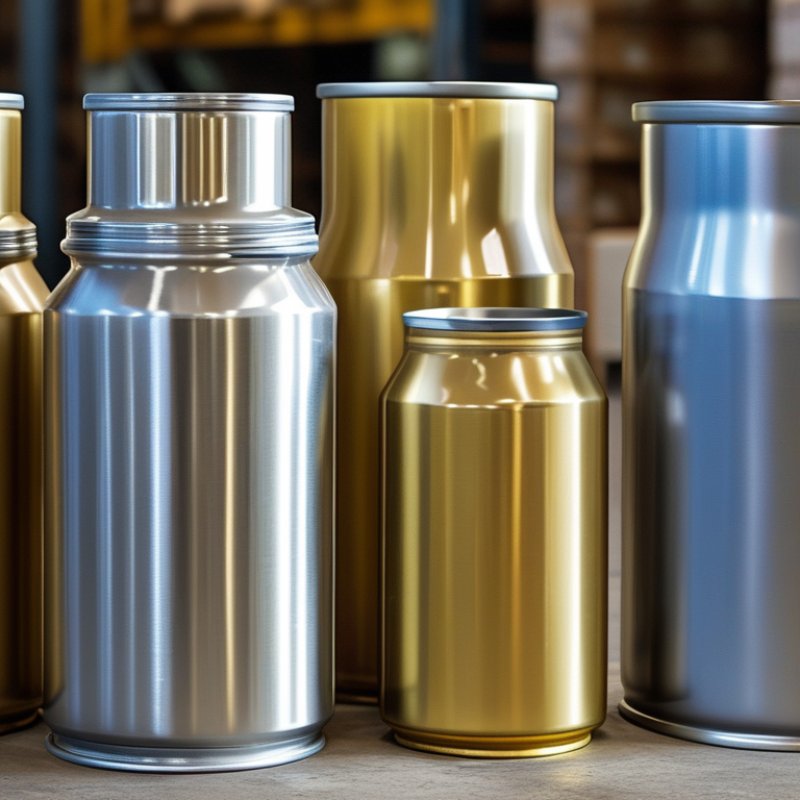
Top Tips for Sourcing Metal Tin Containers Worldwide?
Sourcing Metal Tin Containers worldwide requires careful consideration. These containers are popular across various industries for their durability and eco-friendliness. However, finding reliable suppliers is crucial. Quality issues can arise from poor sourcing practices.
When sourcing, it's essential to assess supplier credibility. Look for manufacturers with a strong track record. Certifications can provide insights into quality standards. Language barriers may also complicate communication. Clarity is vital in discussions about specifications and pricing.
Researching market trends can reveal new opportunities. Emerging markets may offer unique products. However, they might also present risks. Be cautious and verify reliability before making commitments. Careful evaluation can help mitigate potential issues and lead to successful sourcing of Metal Tin Containers.
Understanding the Global Market for Metal Tin Containers
The global market for metal tin containers has been expanding rapidly. According to a report by Mordor Intelligence, the metal packaging market is projected to grow at a CAGR of 4.3% over the next five years. This growth is driven by the rising demand for sustainable packaging solutions and the recyclability of tin containers. As more industries seek eco-friendly options, metal tin containers present an attractive choice for sustainable product packaging.
Understanding various markets is key to effective sourcing. Regions like Asia-Pacific showcase significant growth potential due to increased consumer goods production. Countries such as China and India are accelerating tin production, benefiting from their established supply chains. However, sourcing challenges can arise due to fluctuations in raw material prices and geopolitical factors that impact shipping and logistics. Staying informed about these market dynamics is crucial for successful procurement.
Quality remains a priority. Not all suppliers adhere to stringent quality standards. Conducting due diligence, including facility audits and certifications checks, can mitigate risks. It is also essential to consider supplier reliability and communication effectiveness. This reflective approach can lead to better partnerships, ensuring a steady supply of high-quality metal tin containers that meet industry requirements.
Identifying Reliable Suppliers for Metal Tin Containers
Sourcing metal tin containers globally requires diligence in supplier selection. First, assess potential suppliers’ experience. Those with a strong track record often provide better quality products. Explore their previous projects and customer feedback. Reliable suppliers showcase their accomplishments openly. Validating their expertise helps establish trust.
Communication is essential during the sourcing process. Reach out to suppliers and gauge their responsiveness. A good supplier answers inquiries promptly and thoroughly. Expect clear information on production capabilities and delivery timelines. This reliability often reflects their overall professionalism. Don’t hesitate to ask for references from previous clients to verify their service quality.
Pricing is a critical factor, but it shouldn’t be the only consideration. Low pricing can indicate compromised quality. Evaluate each supplier’s pricing structure against their offerings. Sometimes, the best choice comes from a balance of quality and cost. Be mindful of hidden costs, like shipping and tariffs, which can affect the final pricing. Always keep your options open to reflect on different suppliers and strategies.
Evaluating Quality Standards for Metal Tin Products
When sourcing metal tin containers, quality is paramount. Evaluate the materials used in fabrication. High-quality tin should have uniform thickness and a smooth finish. Check for signs of rust or corrosion, as these issues can compromise the integrity of the containers. Transparency in manufacturing processes is essential. Manufacturers should be willing to share their quality control methods.
Certifications play a crucial role in gauging quality standards. Look for industry-specific certifications, which can indicate a commitment to quality. However, not all certifications are equal. Some may have lax standards, making it necessary to do your homework. Visiting facilities, if possible, allows for firsthand observation. It’s an opportunity to ensure that the manufacturing environment meets safety and quality expectations.
Be aware that sourcing from various regions can introduce variability in quality. Different countries may have distinct manufacturing traditions and standards. Take time to research suppliers thoroughly. Sometimes, even well-regarded manufacturers can deliver inconsistent results. A proactive approach to quality evaluation can mitigate risks. Relying solely on certifications without further investigation may lead to disappointment.
Negotiating Contracts and Pricing with Manufacturers
When negotiating contracts and pricing with manufacturers of metal tin containers, clarity is crucial. Begin by understanding your needs. Specify dimensions, coatings, and designs early on. This helps avoid misunderstandings later. Many manufacturers will have standard pricing; however, these can often be negotiated based on order volume. Don't hesitate to ask for discounts on bulk orders.
Building rapport is also important. Establish a relationship with the manufacturer to improve negotiation outcomes. A friendly yet professional demeanor can create a cooperative atmosphere. Treat every interaction as an opportunity to learn about their processes and limitations. Be ready for some back and forth in negotiations. The first quoted price is rarely the best offer.
Consider researching market trends in the industry. This knowledge can be advantageous in discussions. Awareness of competitors' pricing may provide leverage. Reflect on your goals and flexibility. If a manufacturer can't meet your pricing expectations, be prepared to explore other options. Not every deal is worth pursuing, so weigh the pros and cons cautiously.
Logistics and Shipping Considerations for Global Sourcing
When sourcing metal tin containers globally, logistics and shipping play a crucial role. Understanding the complexities of international shipping can prevent costly mistakes. Start by choosing a reliable freight forwarder who has experience in handling such materials. This partner can offer insights into customs regulations and tariffs that may affect your budget.
Be aware of shipping methods. Sea freight is often more economical for large orders, but it takes longer. Air freight is faster but comes with higher costs. Research the best balance between speed and cost for your specific needs. Consider the packaging too; sturdy materials can reduce damage during transit.
Communication with suppliers is essential. Language barriers may lead to misunderstandings. Clear specifications and expectations should be outlined in written communication. Establishing a good rapport can make problem-solving easier when issues arise. If challenges occur, reflect on what can be improved in your sourcing strategy. Each experience teaches you something valuable.



 +8618680445103